Nestled inside Central Park in downtown San Mateo, the san mateo japanese garden invites visitors into a tranquil world of winding paths, reflective water, and artful plantings. This compact retreat blends traditional Japanese aesthetics with California’s coastal light, creating year‑round beauty. Locals slip in for a mindful pause, while travelers find a refreshing stop between Bay Area landmarks. Thoughtful design choices make every turn a postcard‑ready scene.
💡 Key Takeaways
- The garden was designed in 1966 by Nagao Sakurai.
- Admission is free and the garden is located within Central Park.
- Best visiting times are during cherry blossom season in early spring.
About the San Mateo Japanese Garden
Quiet, compact, and purposefully composed, the san mateo japanese garden distills the essence of a traditional strolling garden into an easily walkable space. The design balances water, stone, and living elements to evoke seasons and suggest distant landscapes, even within a city park setting.
Situated just steps from playgrounds and lawns, it feels worlds away once you pass the gate. The gentle splash of a waterfall, the curve of a bridge, and the play of light on maple leaves all encourage you to slow down and notice fine details.
History and Design
The garden was completed in 1966 under the guidance of renowned landscape architect Nagao Sakurai, who helped shape several of North America’s most beloved Japanese gardens. Sakurai drew on classical principles that prioritize harmony, asymmetry, and the art of suggestion.
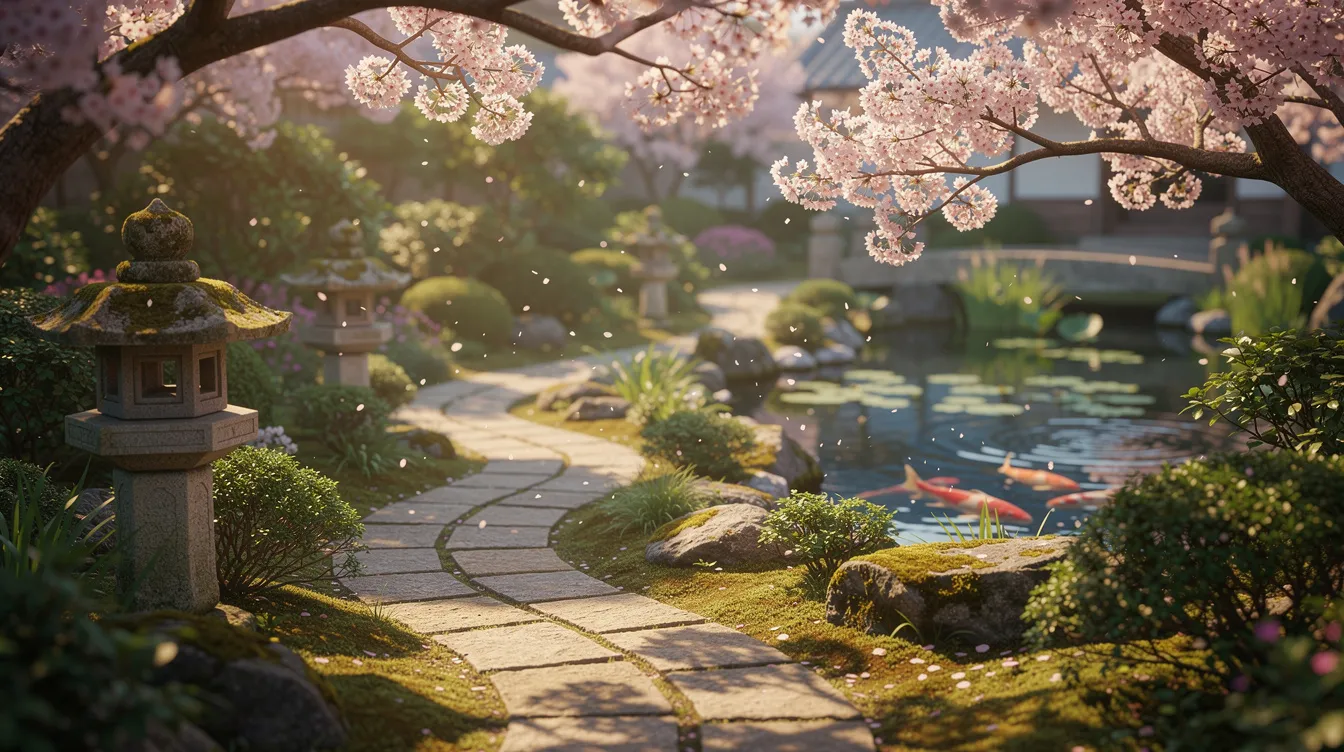
Look for ideas like borrowed scenery, where treetops and skyline are framed to appear part of the composition, and carefully sited stones that mimic mountains. Paths curve to reveal scenes gradually, while lanterns, a modest bridge, and pruned pines add cultural texture without overwhelming the natural calm.
Features of the Garden
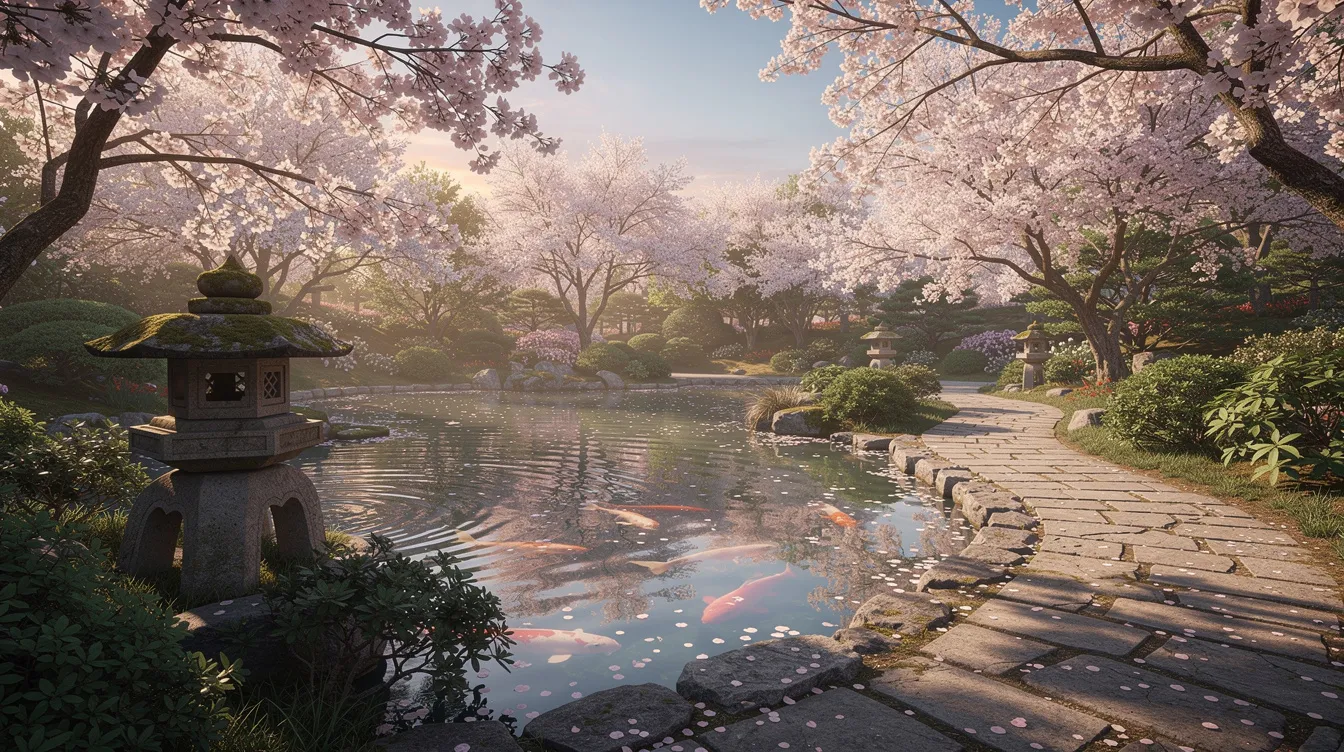
Signature highlights include a mirror‑still koi pond animated by colorful fish, an arched bridge, and a seasonal parade of foliage. In early spring, cherry blossoms dust the water’s edge with pink confetti; by autumn, maples glow red and gold. A traditional tea house structure anchors one side of the pond, offering a focal point for photos and periodic cultural programs.
Listen for the waterfall tucked behind greenery that softens city sounds, and watch sunlight ripple across stepping stones. Benches invite quiet reflection. Photographers will appreciate morning light on the pond and late‑day backlighting through maple leaves, both flattering angles for portraits or nature shots.
Unique Features
Beyond the headline sights, small touches reward patient visitors. Stone lanterns sit near path bends so they appear in layers as you move. Low, cloud‑pruned pines juxtapose with airy bamboo, creating depth. Irises and azaleas add bursts of seasonal color, while turtles sometimes sun on warm rocks.
These intimate details give the san mateo japanese garden an understated elegance. Nothing shouts for attention; instead, elements whisper to each other, creating balance. Even a simple handrail or gate lattice carries thoughtful craftsmanship that stands up to a close look.
Visiting Information
The garden lies inside Central Park, a short walk from downtown San Mateo’s Caltrain station. The main entrance is near East 5th Avenue within the park grounds. You’ll find lawns, a playground, tennis courts, and the Rose Garden nearby, making it easy to pair your visit with a picnic or family time.
Free admission makes this an easy add to any itinerary. Street parking and nearby lots serve Central Park; arrive early on weekends to secure a spot. Restrooms are available elsewhere in the park. Keep voices low, stay on paths, and refrain from feeding koi to protect the delicate balance of the pond.
- Best time to visit: early spring for blossom viewing; mornings for softer light and fewer crowds.
- Accessibility: level pathways suit most visitors; some stepping stones may be uneven.
- Photography tip: use a polarizing filter to cut pond glare and deepen foliage color.
- Etiquette: avoid tripod setups that block paths during busy hours.
- Picnic plan: enjoy snacks on Central Park lawns, not inside the garden itself.
Admission and Hours
There is no entry fee. The garden is generally open daily with daytime hours that align with the park, typically around 10 am–4 pm on weekdays and slightly later openings on weekends. Hours can vary seasonally, and the space may close on city holidays or for maintenance, so confirm the day’s schedule before heading out.
For timing, the cherry trees usually bloom in early spring, offering a brief but spectacular window. Fall color peaks later with Japanese maples. If you prefer solitude, plan a weekday morning when the san mateo japanese garden is at its quietest.
Why Visit the Japanese Garden?
The san mateo japanese garden provides a restorative pause, especially appealing if you want serenity without a long drive or an all‑day commitment. Its small scale invites repeat visits, where you’ll notice something new each time, from the pattern of raked gravel to the shadow of bamboo on a lantern.
Families appreciate that it sits inside a larger park with kid‑friendly amenities, while culture seekers enjoy the artistry and symbolism on display. Photographers and nature lovers come for reflections, textures, and reliable seasonal interest, particularly the cherry blossom season that transforms the space into a pastel dream.
Comparing with Other Gardens
Compared to larger regional destinations, this garden feels intimate and unrushed. You won’t find expansive tea pavilions or miles of paths, yet you gain immediacy: details are close enough to study, and crowds are lighter on weekdays. The free entry and central location lower the barrier to spontaneous visits.
If you’ve toured grander spaces, consider this a study in restraint. Thoughtful scale, skillful pruning, and layered vistas offer an education in design principles you can absorb in under an hour. That combination of accessibility and depth is what keeps many locals returning to the san mateo japanese garden throughout the year.
Whether you’re planning a quick mindful break or a seasonal photo outing, let this hidden gem anchor a relaxed day in Central Park. Arrive early, slow your pace, and let the still water set the tone for the rest of your visit.