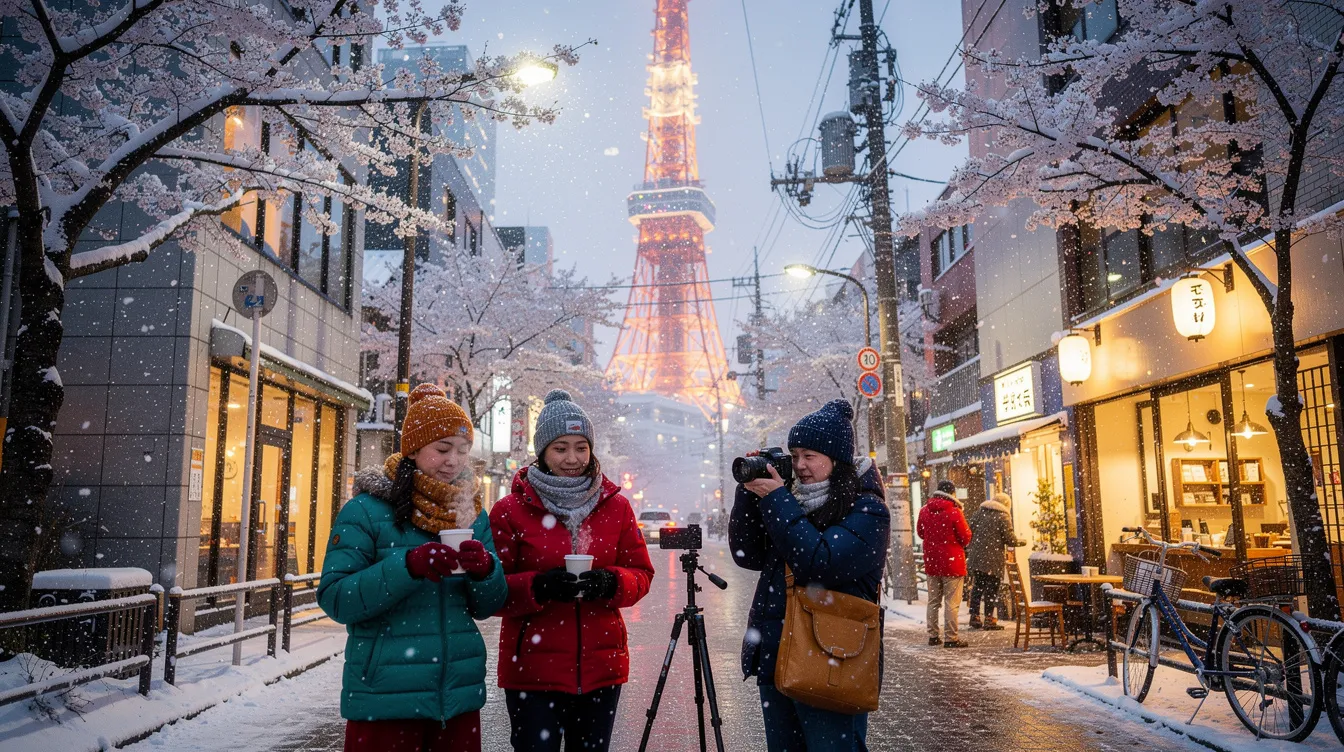
Planning a winter trip to Japan and wondering, does it snow in Tokyo? The short answer is that Tokyo’s winters are cool and mostly dry, with only occasional flurries. You are far more likely to see dazzling city lights, steamy bathhouses, and crisp blue skies than deep snowdrifts. Still, when conditions line up, the capital can transform with a light dusting that adds magic to shrines, gardens, and quiet backstreets.
💡 Key Takeaways
- Yes, it snows occasionally in Tokyo, usually light flurries in January and February rather than heavy accumulations.
- Tokyo experiences 1-2 days of light snowfall per year.
- Temperatures in winter range from 4°C to 12°C (40°F to 53°F).
- Nearby regions like Nagano and Hokkaido receive significant snowfall.
Understanding Tokyo’s Winter Weather
Tokyo sits on the Pacific side of Honshu, where the surrounding seas and mountain ranges shape a relatively mild winter. The city’s humid subtropical setting and extensive urban heat help keep daytime temperatures comfortable compared with snowier parts of Japan. Most winter days feel brisk rather than bitter, with bright skies that make sightseeing easy and photography crisp.
From mid-December through late February, daytime highs usually land in the single digits Celsius, while nights dip near freezing. Across the season, average temperatures sit around 4°C to 12°C (40°F to 53°F). Precipitation is modest and often falls as rain, though passing cold fronts and coastal low-pressure systems can flip that rain to wet snow, especially when the air aloft turns just cold enough.
Average Temperatures and Conditions
Winter in Tokyo is defined by cool, dry air and relatively steady conditions. The northwesterly monsoon winds that pick up moisture on the Sea of Japan side tend to lose it as snow over the Japanese Alps. By the time that air reaches the Kanto Plain, it arrives mostly dry. That is why Tokyo winters often deliver clear views of Mount Fuji after cold fronts, and long runs of sunny days punctuated by occasional gray, drizzly spells.
Expect a noticeable chill after sunset. Wind can make evenings feel colder than the thermometer suggests, and station platforms or riverside promenades can be particularly brisk. Indoor heating is reliable across the city, yet traditional houses, older cafés, and some small restaurants may feel drafty. Layering is your best strategy: pair a warm base layer with a midweight sweater and a windproof coat so you can adapt quickly when you step into overheated trains or department stores.
Tokyo’s air is drier in winter than visitors expect, which is great for comfort on long walks but less kind to skin and lips. Carry a small moisturizer and lip balm, drink water throughout the day, and consider a lightweight mask on very windy days when dust and pollen can swirl. On rare snowy days, surfaces become slick quickly, so shoes with grippy soles help, especially on stone shrine steps and platform edges.
When Does It Snow in Tokyo?
If you are asking “does it snow in Tokyo,” the timing matters. Snow is most likely in the heart of winter when cold air from the continent intersects with moisture from Pacific storms. In Tokyo, that window falls primarily from mid-January into mid-February, though the city can see a few flurries outside this core period when conditions cooperate.
December usually brings the season’s first real chill and the opening of winter illuminations, but it’s still a bit early for significant snow. By January the air is coldest, and by February the clash of lingering winter cold and passing low-pressure systems gives the best chance for wet flakes. March sometimes offers a parting shot with a stray flurry in the first half of the month, yet by then warmer afternoons quickly erase any accumulation.
Snowfall Patterns in December, January, and February
- December: Chilly and mostly dry; a brief flurry can occur late in the month, but sticking snow is uncommon.
- January: Peak cold. The highest probability of flakes appears from mid to late month, often as wet snow during passing coastal lows.
- February: Still the prime time for a light dusting, especially early in the month, with any slush usually melting by afternoon.
- Early March: Rare, short-lived flurries may appear in the first two weeks, then the city pivots toward plum blossoms and spring.
Because Tokyo sits near sea level, many borderline events fall as rain or a rain-snow mix, especially when surface temperatures hover around 0°C to 2°C. If air aloft cools a touch more, those same systems can flip to wet snow and create a photogenic coating on trees and temple roofs before the sun returns.
On days with wintry forecasts, trains and subways typically run well, with occasional speed reductions on elevated or suburban lines. Side streets may be slushy early in the morning, then clear quickly. If your plans include early photography in gardens or shrines, set an alarm: the best snow scenes often happen at dawn before foot traffic wipes them away.
How Often Does Tokyo Experience Snow?
In a typical winter, Tokyo logs 1–2 days with light snowfall. Some winters pass with little to no accumulation in the central wards, while others deliver a single, memorable day of sticky flakes that cling to gingko trees and tiled roofs. Most events yield a dusting to slush, then melt within hours under returning sunshine and heavy foot traffic.
Frequency varies across the metropolis. Neighborhoods west of Shinjuku and out toward the foothills of Okutama sit a bit higher and can see more flakes than coastal districts. Microclimates around rivers and bays often moderate temperatures enough to keep precipitation as rain. If you really want to answer for yourself “does it snow in Tokyo,” an overnight stay near the western suburbs or a dawn walk in a large park like Shinjuku Gyoen after a forecasted event increases your odds of finding lingering powder on lawns and shaded paths.
On days when snow does arrive, plan for slower walking on tile or polished stone, especially at shrine approaches. Convenience stores quickly stock snow-melting salt and disposable hand warmers near the entrance, and many cafés open on time, making them handy refuges when you want to wait out a heavy burst. Trains are the best way to get around; taxis can be in high demand if roads turn slushy during the evening commute.
Things to Do in Tokyo During Winter
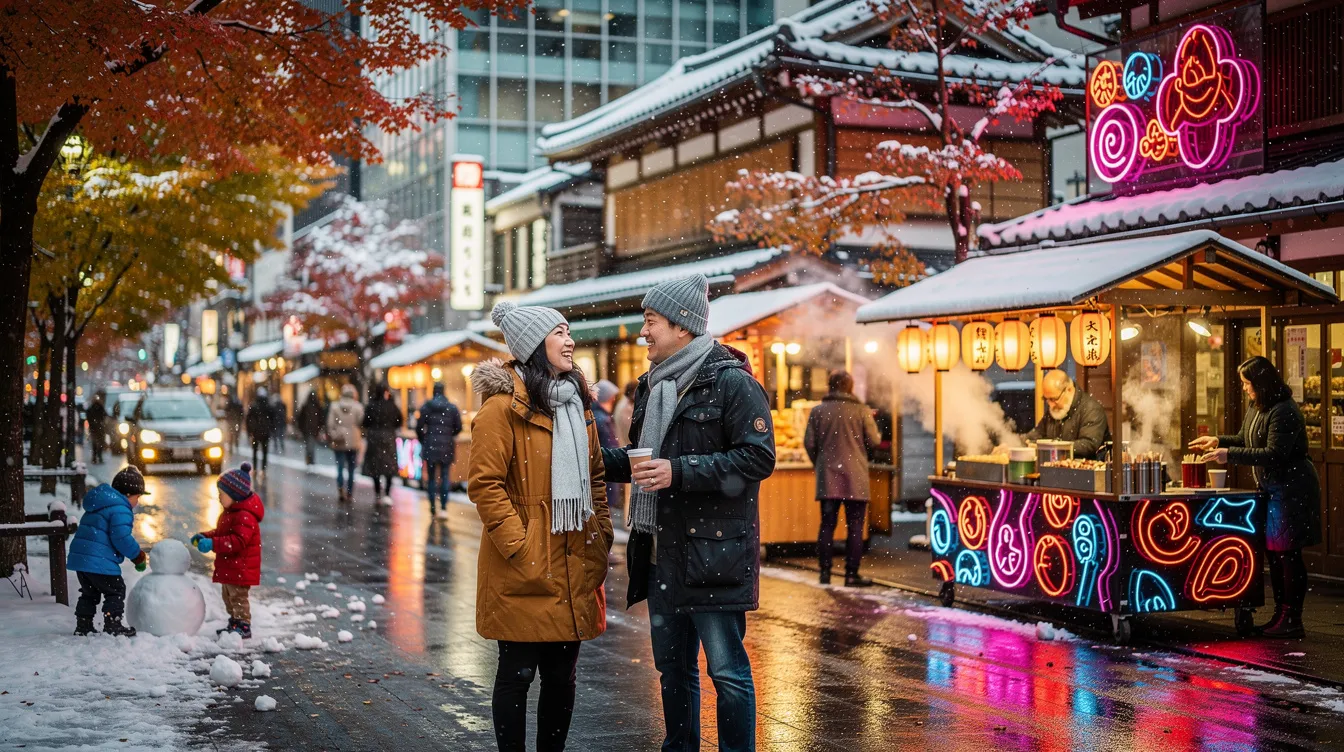
Even if the forecast is dry, winter is one of the most atmospheric times to explore the capital. Clear skies, soft afternoon light, and seasonal dishes create a cozy rhythm for sightseeing. When those rare flakes arrive, temples, gardens, and backstreets take on a storybook feel, perfect for slow photography walks before the city shakes the snow off by midday.
Start with city sparkle. Tokyo’s winter illuminations are famous for a reason, bathing avenues and plazas in color from late November into February. Warm up in a neighborhood sento or a day spa with onsen-style baths, then cap the evening with steaming bowls of ramen, oden, or a shared nabe hotpot. After New Year, locals visit shrines for hatsumode, and weekend antique markets pop up around temple grounds, offering winter vibes even without flakes.
Winter Activities and Festivals
- Chase the lights: See illuminations in Marunouchi, Shibuya, Roppongi, and Tokyo Midtown Hibiya, then warm up with hot chocolate in a kissaten.
- Soak and recharge: Try day spas like Spa LaQua at Tokyo Dome City, Thermae-Yu in Shinjuku, or rustic Saya no Yudokoro in Itabashi.
- Seasonal eats: Sample oden at department store basements, slurp regional ramen at Tokyo Station’s Ramen Street, or share a warming yosenabe.
- Skate outdoors: Seasonal ice rinks often appear in Roppongi or Yokohama’s Red Brick area; check current pop-ups when you arrive.
- Festive culture: Browse Setagaya Boro-ichi flea market dates in December and January, or visit Jindaiji Temple’s Daruma Fair in early February.
Pair indoor and outdoor stops to stay comfortable on cool days. Art museums like the Nezu Museum and the National Museum of Modern Art offer tranquil galleries, and their gardens glow in low winter sun for beautiful photos. Traditional gardens such as Rikugien, Koishikawa Korakuen, and Hamarikyu are stunning in the clear air; if a light snowfall hits, aim to visit right when gates open for undisturbed scenes.
Families can blend play and warmth by visiting teamLabs Planets for immersive art, Odaiba’s indoor attractions, or aquarium and planetarium combos on the same day. Coffee lovers will find Tokyo’s specialty cafés coziest in winter. Consider a roasting workshop, a tea ceremony experience in a machiya-style space, or a wagashi sweets class that lets you savor seasonal flavors while learning traditional craft.
Travel Tips for Visiting Tokyo in Winter
Plan your days around light and warmth. Winter daylight is short, with sunsets in late afternoon, so put gardens, viewpoints, and outdoor temples in the first half of the day. Save museums, cafés, shopping, and bathhouses for evening. Bring a compact umbrella for mixed rain-snow showers, and wear shoes with decent tread for slick station tiles and garden paths.
A lightweight down jacket, scarf, and beanie will serve most travelers; gloves help on windy days and for early-morning photographers. Pack breathable base layers rather than very heavy sweaters so you can adapt to quick temperature changes on trains and in shops. If you are visiting over New Year’s holiday, check opening hours, as some small restaurants and museums take multi-day breaks while major department stores run normal or special hours.
For transit, load an IC card like Suica or Pasmo on your phone to breeze through gates with cold hands tucked in pockets. When a snowy forecast appears, start early and lean on rail rather than buses or taxis. If you want to maximize your chance of seeing flakes, book a flexible day to hop on a shinkansen for a quick snow fix in the mountains, then return to Tokyo for dinner.
Where to See Snow Near Tokyo
If your heart is set on fresh powder, the easiest solution is to make a quick escape to Japan’s renowned snow belts. Mountain ranges west and north of the capital trap cold, moisture-laden air and unleash reliable winter storms. That means postcard scenes and top-notch skiing are only a train ride away, while Tokyo remains mostly dry and walkable for city fun.
Classic choices include Nagano and Niigata, both connected to Tokyo by shinkansen in around an hour to ninety minutes. Karuizawa offers gentle slopes and stylish cafés with frequent frosts, while Echigo-Yuzawa and the dedicated GALA Yuzawa station put you right on the lifts after stepping off the bullet train. Gunma’s Minakami and Kusatsu bring heavy snowfalls plus steaming outdoor baths for the ultimate winter pairing. Farther afield, Hokkaido delivers deep, dry powder and reliable blizzards, reachable by a short domestic flight from Haneda.
- Karuizawa (Nagano): About 70–80 minutes by Hokuriku Shinkansen; light, frequent frosts, outlets and cafés, gentle skiing, and chic streets dusted in white.
- Nagano City and Shiga Kogen: Around 80–100 minutes by shinkansen plus bus; high-elevation resorts with long seasons and monkey hot springs nearby in Jigokudani.
- Echigo-Yuzawa and GALA Yuzawa (Niigata): Roughly 75–90 minutes by Joetsu Shinkansen; true ski-in from the station, perfect for a fast day trip to real snow.
- Minakami and Kusatsu (Gunma): About 2–3 hours by train and bus; reliable snowfall, riverside onsen, and classic wooden ryokan atmospheres.
- Nikkō and Oku-Nikkō (Tochigi): Approximately 2–2.5 hours; lakeside snowscapes around Yumoto Onsen, frozen waterfalls, and ornate shrines in a winter hush.
For multi-day adventures, Niigata’s Myoko and Arai, Nagano’s Hakuba Valley, and Tohoku’s Zao Onsen and Appi Kogen provide deep snowpacks and varied terrain. If you prefer culture over carving, snowbound castle towns like Matsumoto feel magical under a white cap, and onsen villages glow with steam and lantern light on snowy nights. Travel passes, including regional shinkansen passes, can cut costs significantly if you plan one or two rail-based snow excursions from Tokyo.
Day trippers should start early to catch morning powder and return before evening congestion. Rent gear at the resort if you do not want to lug equipment through stations, and book lockers at Tokyo Station to stash an overnight bag. Snacks and hot drinks on the shinkansen set the tone for a cozy winter ride, and you will still be back in time for yakitori or sushi in the city.
So does it snow in Tokyo? Yes, but lightly and infrequently, which makes the city easy to enjoy in winter while world-class snow sits just a short ride away. Time your visit for January or February to maximize your chances of a flurry, then pair the capital’s lights, food, and bathhouses with a swift mountain getaway for the best of both worlds.