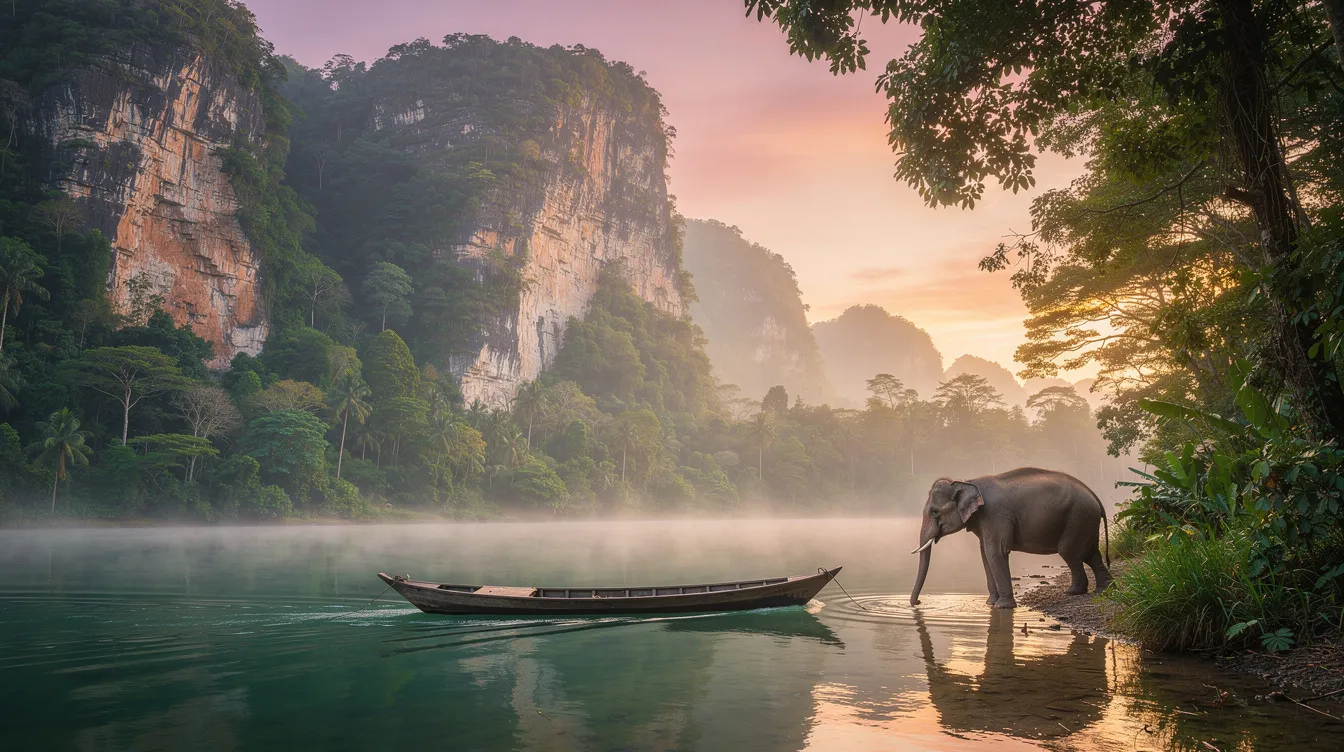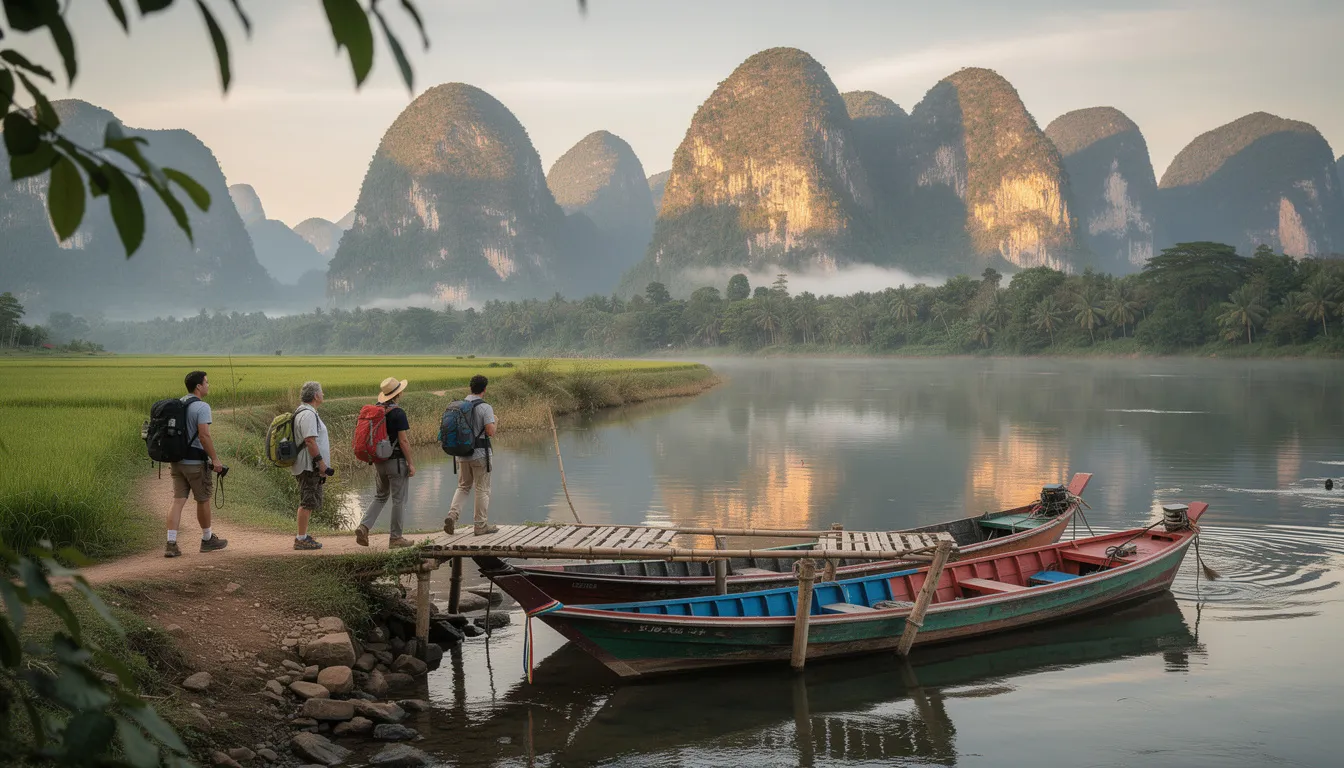
Cradled by jungle-clad limestone peaks and the emerald Nam Song River, vang vieng feels like a dream you can hike, paddle, and photograph from every angle. Once infamous for river bars, it has reinvented itself as a safe, outdoorsy base for couples, families, and solo travelers. Expect blue lagoons, caves, hot air balloons, and mellow sunsets. Come for the views, stay for the easy pace and surprisingly rich culture.
💡 Key Takeaways
- Vang Vieng is known for its picturesque scenery and adventure activities.
- The area has seen a significant increase in eco-tourism and family-friendly activities.
- Statistical data on tourist visits and economic impact in recent years.
Vang vieng sits midway between Vientiane and Luang Prabang, hugged by sheer karst cliffs that glow pink at dusk. The town is small enough to navigate on foot, yet its backyard is a playground of lagoons, caves, jungle trails, and river bends. The Laos–China Railway now stops here, trimming travel time from Vientiane to about an hour, which has made weekend escapes incredibly easy.
The town’s image has shifted in the last decade. Loud riverside bars gave way to zip lines, viewpoints, eco-resorts, and family-friendly tubing. By the numbers, Laos welcomed about 4.7 million international visitors in 2019, generating around US$900 million in tourism receipts. After a pandemic dip, 2023 arrivals rebounded toward pre-2019 levels, helped by the new rail line that channels more domestic and regional visitors into vang vieng.
A Brief History of Vang Vieng
For years, Vang Vieng was a quiet stop on Route 13, known to backpackers for caves and mountain views. In the early 2000s, it exploded in popularity as a party hub on the Nam Song. Safety concerns prompted a major clean-up in 2012, when most riverside bars were shuttered and operators pivoted to safer, guided activities.
What followed is a thoughtful rebrand. Community-based tours, climbing schools, and nature-first lodges flourished. Today, early mornings see hot air balloons drifting over rice paddies and families cycling to blue lagoons. The party never fully defined the town, and it certainly doesn’t now; the outdoors does.
Top Attractions in Vang Vieng
Limestone mountains form the stage, and the Nam Song steals the spotlight. On a clear day, you can climb to a rocky viewpoint for a 360-degree panorama of aqua lagoons and patchwork paddies. On a hot afternoon, the water calls: Tham Chang Cave for cool shade, or a turquoise lagoon where you can plunge off a bamboo platform and float under leafy trees.
Sunrise is magic here. Balloon baskets lift slowly, village roosters start up, and mist curls along the river. My favorite morning was a simple one: watching fishermen cast nets at first light while steam rose from a bowl of noodle soup. That calm, not the cliffs, is what people remember.
Must-Visit Natural Wonders
- Blue Lagoons: These spring-fed pools range in hue from pale jade to electric blue. Aim for early morning or late afternoon. Entry is typically 10,000–20,000 LAK.
- Pha Ngern and Nam Xay Viewpoints: Short, steep hikes reward you with sea-of-mountains views. Wear grippy shoes and start before 8 am to avoid heat.
- Tham Chang Cave: An easy-access cave near town with lighting and handrails. Go at off-peak times for a quieter experience.
- Kaeng Nyui Waterfall: A breezy forest walk leads to a cool swim. Best in or just after the rainy season when flow is strongest.
- Nam Song Riverbank: Bring a picnic for sunset. The sky reflects in the river and the karsts shift color by the minute.
Adventure Activities

Adventure here is as relaxed or as wild as you want. Classic river tubing is still around, but curated for safety with life jackets and better supervision. Kayaking is a strong alternative for those who want to paddle rather than float, and guided trips often pair gentle rapids with a cave visit.
On land, climbing schools cater to beginners and pros on solid limestone. Trails zigzag up to ridgelines, and farm tracks are perfect for cycling between rice paddies. Underground, rivers thread through caverns like Tham Nam, where inner tubes, headlamps, and guides are non-negotiable.
Outdoor Adventures
- Tubing: Float a half-day section of the Nam Song. Typical fees with transport run about 50,000–100,000 LAK. Start by early afternoon and always wear a life jacket.
- Kayaking: Great year-round, with more control than tubing. Half-day guided trips start around 150,000–250,000 LAK per person.
- Rock Climbing: Local schools provide shoes, harnesses, and top-rope setups. Intro courses often range from US$30–50.
- Caving: Tham Nam and other systems require guides. Expect helmets, headlamps, and sometimes tubes. Check water levels in rainy season.
- Hot Air Ballooning: Sunrise flights deliver unreal views of peaks and paddies. Budget US$90–120 per person.
If you like to preview routes, safety basics, and the overall vibe before you arrive, this short video guide offers a visual walkthrough of the town and nearby adventures.
Cultural Experiences
Scratch beneath the adventure surface and you’ll find food traditions, craft workshops, and temple life that give vang vieng its heart. Village visits introduce you to Hmong, Khmu, and Lao communities who farm sticky rice, raise fish, and weave textiles. Slow down for a morning market stroll to see seasonal herbs, riverweed sheets, and fragrant bamboo shoots.
Cooking classes are a standout. You shop for produce, prep spice pastes, then simmer a bamboo shoot soup while learning the rhythms of Lao home cooking. Between bites and stories, you’ll pick up dining etiquette and the simple joy of eating with sticky rice by hand.
Local Cuisine and Dining
Start with laap, the national minced-meat salad brightened with lime, herbs, and roasted rice powder. Grilled river fish arrives smoky and tender, perfect with a basket of sticky rice. Noodle lovers can hunt down khao piak sen, a comforting bowl with hand-pulled rice noodles and aromatic broth.
- What to try: Laap, or lam (herbal stew), grilled tilapia, riverweed crisps, and coconut pancakes at the market.
- Street eats: Noodle soups and BBQ skewers often cost 15,000–35,000 LAK. Smoothies are abundant and refreshing.
- Family-friendly tables: Many riverside spots have kids’ menus, high chairs, and open lawns where little ones can roam.
For respect at temples, cover shoulders and knees, remove shoes, and keep voices low. A friendly sabaidee goes a long way, and a small purchase from a market stall is a simple way to support local families.
Practical Travel Tips
When to go depends on your goals. The dry season from November to March offers clear skies and cooler nights, ideal for hikes and balloons. The green season from May to September paints the rice fields neon and swells waterfalls, though afternoon showers are common. April is the hottest month; plan early starts and siestas.
Two to three full days covers highlights without rushing. A sample plan: Day 1 for caves and a lagoon swim, Day 2 for a viewpoint hike and kayaking, Day 3 for a balloon ride or market-and-food focus. Mid-range travelers often spend around US$40–70 per day excluding ballooning, while budget travelers can go leaner with guesthouses and street food.