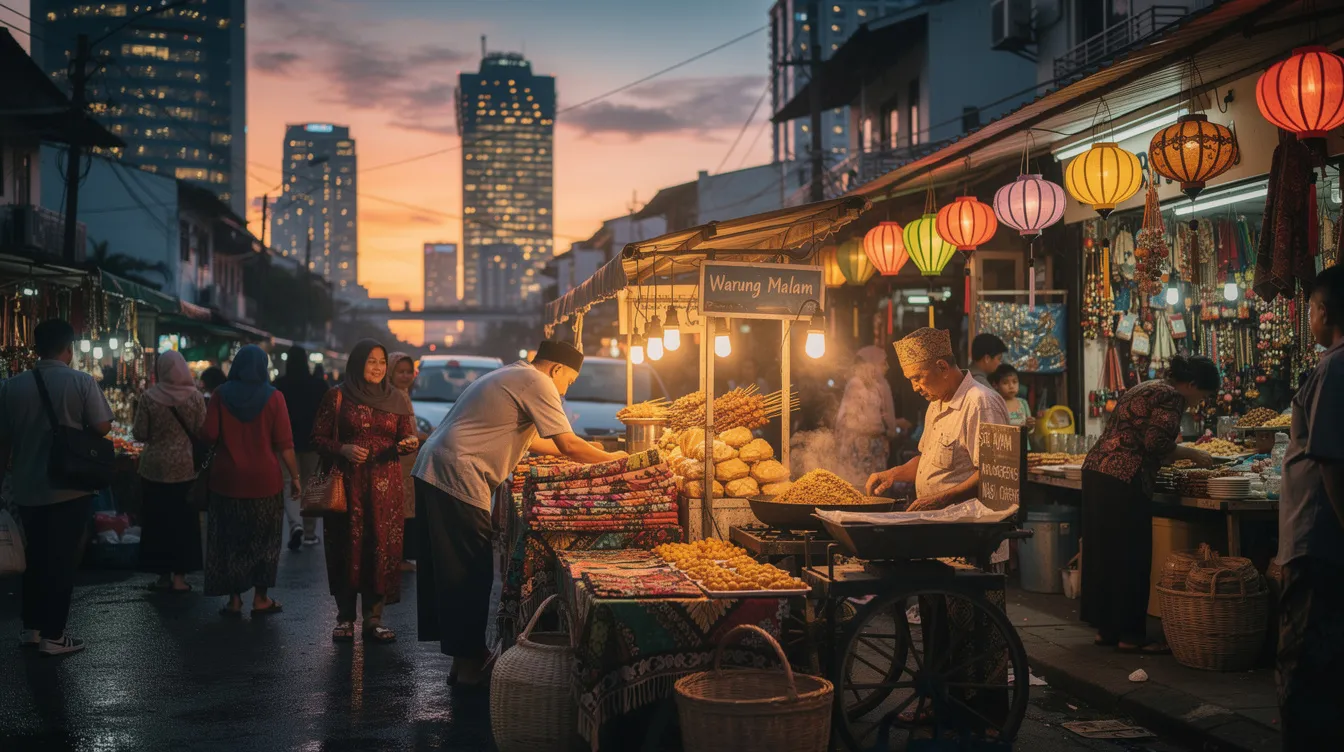
Jakarta rarely sits still. Indonesia’s coastal capital surges with ideas, traffic, flavors, and stories that stretch from colonial canals to gleaming transit corridors and rooftop gardens. If you want a city that fuses heritage with headlong ambition, Jakarta Raya delivers it in full. This guide blends practical tips with local insights so you can navigate crowds like a regular, eat like a curious foodie, and discover quiet pockets that many visitors miss.
💡 Key Takeaways
- Jakarta Raya’s population is over 30 million, making it one of the largest urban agglomerations in the world.
- Significant historical events such as the Dutch colonial period and Indonesian independence.
- Climate data indicating the tropical monsoon climate with high humidity and seasonal rains.
What is Jakarta Raya?
Jakarta Raya is the common shorthand for the greater metropolitan area anchored by Jakarta, the capital of Indonesia. It covers a vast urban continuum that blends the city center with surrounding municipalities and regencies, often described collectively as Jabodetabek. This mega-region encapsulates Jakarta’s financial core, residential suburbs, industrial belts, technology parks, seaports, airports, and island getaways within a single, restless ecosystem.
With a population topping 30 million, Jakarta Raya is among the world’s largest urban agglomerations. That scale shapes everything from the food you can find at 2 a.m. to how long your morning commute might take. It also underpins Jakarta’s role as a national trendsetter for music, media, fashion, and tech. The metro’s malls are social hubs, its stadiums host continental tournaments, and its galleries and street murals drive conversation as much as its talk shows.
For travelers, that size can be daunting at first glance. Think of Jakarta Raya as many cities stitched together. Downtown corridors around Sudirman and Thamrin read like classic business districts, while leafy Menteng hides Art Deco villas and embassies. Southward, you encounter pockets of cafés and live music, while to the north, old trading quarters blend with modern port operations and seaside leisure zones.
Jakarta’s presence on the Java Sea adds a dimension that many capitals lack. On clear days, boats speed to the Thousand Islands to snorkel or unwind on small resort islands. Inland, giant sports and events precincts pull in crowds, and quieter neighborhood parks reward early morning walkers. Navigating all this is easier once you grasp the city’s pulse by time of day: pre-dawn food markets, late-morning office rush, mid-afternoon school pickups, and evening crowds converging on eateries and malls.
The metro’s economy is as mixed as its skyline. You will find financial institutions sharing blocks with independent design studios; traditional markets tucked a few streets away from global brands; and micro-enterprises that ride the wave of e-commerce alongside cutting-edge fintech. That blend offers unique entry points for visitors to experience local life, whether by watching a craftsman in Glodok shape tin molds by hand or sampling single-origin coffee roasted around Kemang.
The History of Jakarta Raya
Long before Jakarta was a capital, it was a harbor. The Sunda Kelapa port connected inland kingdoms to global trade winds, bringing spices, ceramics, and textiles through what would become one of Asia’s key maritime crossroads. In the 16th century, Jayakarta, a fortified port town, rose here. The Dutch arrival transformed that settlement into Batavia, a colonial city built on canals, warehouses, and ambition.
Batavia’s fortunes mirrored those of the Dutch East India Company (VOC). As the VOC entrenched itself, Batavia became its eastern headquarters, fueling a centuries-long exchange of goods and ideas and drawing migrants from across the archipelago and beyond. The city’s grid, waterways, and European-style townhouses still show their fingerprints in today’s Kota Tua, even as modern Jakarta grows around them.
Japanese occupation during World War II cracked the colonial order. In the turbulent months that followed, nationalists proclaimed Indonesian independence in 1945. Jakarta emerged not only as the new republic’s administrative center but also as a symbol of self-determination. Streets were renamed, institutions were reshaped, and the city began to redefine itself for a modern, postcolonial era.
The decades that followed brought breakneck urbanization. Political shifts altered the skyline as much as the power map. Public works expanded, high-rises climbed, and Jakarta’s role in domestic and regional economies intensified. The city also weathered growing pains: flooding, congestion, and the challenge of ensuring public services kept pace with growth. Each problem, in turn, spurred innovation, from new transport systems to urban greening.
In recent years, national plans have explored relocating some government functions to another island to ease pressure on Jakarta. Whatever administrative shifts take hold, Jakarta’s gravitational pull as a business and cultural hub remains strong. The metro continues to evolve through transit projects, waterfront improvements, and cultural precincts that speak to both heritage and new identities.
Jakarta’s Development Over the Years
Jakarta’s built environment tells a layered story. Colonial warehouses in the old quarter stand within walking distance of street art alleys and repurposed factories that now host cafés and studios. Toll roads stitched satellite cities into the metro fabric, and new rail corridors improved cross-city travel. Business districts spread south and east as developers carved out mixed-use neighborhoods with offices, apartments, food halls, and concert venues, drawing residents to live closer to where they work and play.
Community placemaking has been just as influential. Weekend car-free mornings turned major avenues into linear parks for cyclists and joggers. Micro-libraries, pocket parks, and river cleanups created spaces that serve families as much as commuters. These changes demonstrate how Jakarta Raya grows not only by building bigger but also by refining the little things that make urban life feel human.
Geography and Climate
Jakarta sits on a low-lying coastal plain on the northwest of Java, opening to Jakarta Bay and framed by rivers like the Ciliwung. That geography has always tethered the city to the sea while exposing it to the rhythms of the tides and seasonal rains. The Thousand Islands fan out offshore, providing beaches and reefs within a short boat ride of the megacity’s towers and expressways.
Most of the metro’s core districts occupy flat land near sea level. As the city expanded outward, it met rolling suburbs and, farther south, hillier terrain that tends to be a touch cooler. Wet-season downpours can swell waterways that crisscross the urban fabric. In response, river normalization, retention ponds, and mangrove restoration have gained attention, especially around the bay’s edge where ecology and urbanism meet.
Jakarta’s climate is classically tropical monsoon, with consistently warm temperatures and high humidity. Expect typical daytime highs in the low 30s Celsius and nights that rarely dip below the mid-20s. The rainy season often stretches from roughly November through March, bringing afternoon cloudbursts and the occasional all-day shower. The drier months skew toward sunnier skies and more outdoor-friendly mornings.
Local rhythm follows the weather. Early risers capitalize on cooler dawn air for market runs and exercise. Office life pulses through late morning and early evening, while heavy showers can prompt a citywide pause. When the sun returns, sidewalks and food stalls refill quickly, and nightlife districts swing back into motion. Air quality can fluctuate, so checking daily conditions before a long run or outdoor plan is a smart habit.
Climate Features and Weather Patterns
Rain frequently comes in short, intense bursts, often driven by afternoon convection. Thunderstorms are common in wet months, and localized flooding can occur where drainage is limited. Sea breezes sometimes temper the heat along coastal neighborhoods, while inland areas may feel slightly hotter on still days. Travel plans that flex with the sky tend to be the most enjoyable, especially when you build in time for a coffee or museum stop during passing showers.
- Pack breathable fabrics and a compact umbrella; quick-dry footwear beats heavy sneakers on rainy days.
- Plan outdoor sightseeing for early morning; save museums and eateries for midday heat or storm windows.
- Carry water and electrolytes, and keep an eye on forecasts when moving between neighborhoods.
Cultural Diversity in Jakarta
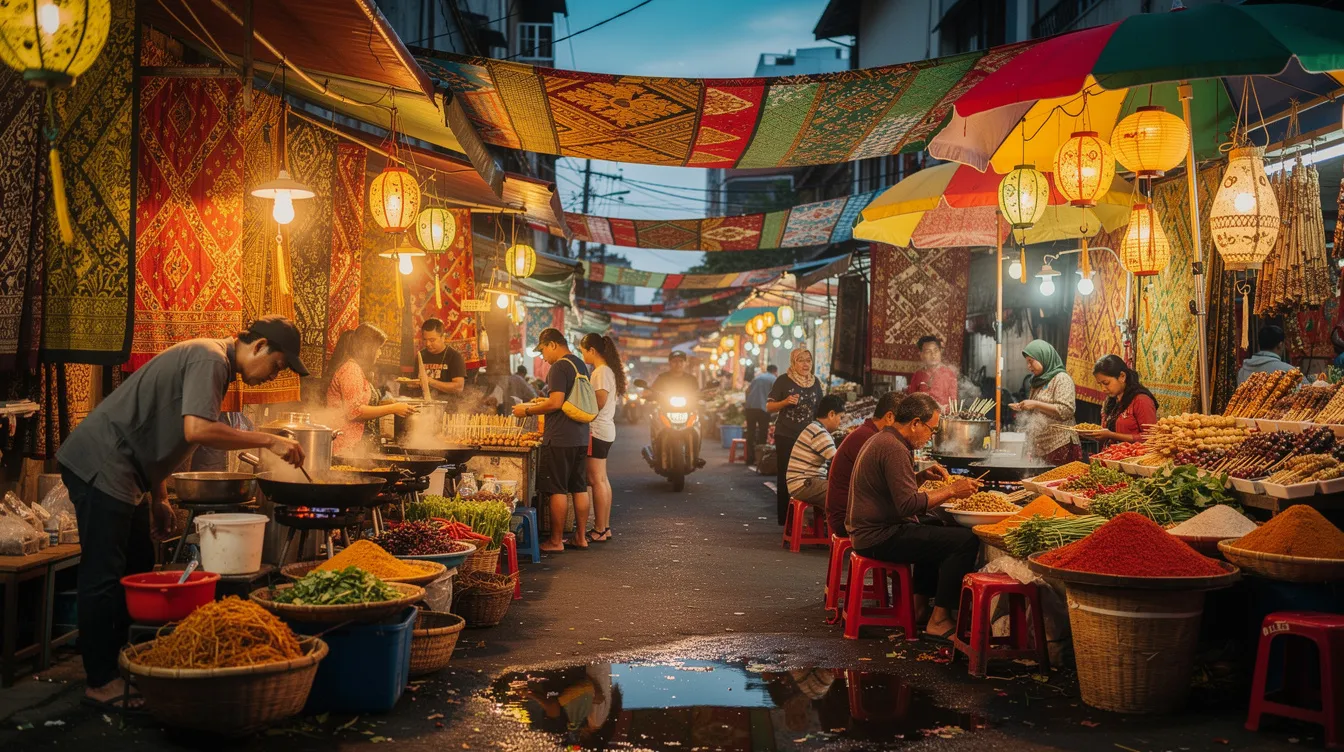
The culture of Jakarta thrives on movement and mixture. The city’s native Betawi community blends influences from Javanese, Sundanese, Arab, Chinese, and Malay roots, and you can hear it in music, language, and festival rhythms. Beyond Betawi traditions, Jakarta welcomes people from every Indonesian province, which is why a single block can serve Acehnese noodles next to Manadonese spice bombs and a Javanese jamu herbal stall.
Religion also weaves through the social fabric. Mosques, churches, temples, and monasteries sit in close proximity in several districts, and holiday calendars reflect that pluralism. Ramadan evenings brim with community iftar meals, while the Lunar New Year brings lion dances to Glodok’s lanes. Families in Jakarta often mark life events with neighborhood feasts where strangers become guests in the time it takes to ladle out a bowl of soup.
Jakarta’s arts scene mirrors its diversity. Traditional performances still draw audiences, from wayang shadow puppetry to gambang kromong ensembles, while contemporary stages showcase spoken word, experimental theater, and indie music. Galleries exhibit both classical batik and multimedia installations, and new mural corridors fold visual storytelling into the daily commute. You can learn as much from a Sunday jam session under a flyover as from a marquee concert downtown.
Language is fluid here. Bahasa Indonesia is the lingua franca, locals slip into Betawi or Javanese in casual settings, and English is common in tourism, business, and education. Visitors who pick up a few phrases of Indonesian are often rewarded with warmer bargaining, better food recommendations, and long conversations that begin with a smile.
Local Cuisine and Dining Options
Jakarta’s dining scene is a living map of the archipelago. Classic Betawi dishes like soto Betawi’s rich coconut broth, aromatic nasi uduk, and the crunchy-spicy kerak telor headline food festivals and neighborhood carts. Chinese Peranakan flavors shape beloved noodles and dumplings, while West Sumatran stalls pile fragrant rice with rendang and green chili sambal. Seafood shacks near the coast serve grilled fish on banana leaves that perfume the air with charcoal and lime.
Seeking variety is easy. Hunt street food lanes in Sabang and Blok M, duck into family-run warungs for comfort dishes, then jump to a sleek dining room for a chef’s spin on regional classics. Cafés in Senopati and Kemang curate Indonesian beans with pride, and dessert shops turn tropical fruit into edible art. For dietary needs, many venues clearly mark halal menus, and vegetarian options have multiplied across central districts.
Practical tip: dinner hours start later on weekends and tables can fill quickly, so messaging a restaurant or arriving early pays off. If you are new in town, watch how locals dress at casual spots before choosing your outfit for a fine-dining room. And always bring small bills for markets; you will move faster and bargain smoother.
Top Attractions in Jakarta
Jakarta rarely appears on bucket lists for temples or beaches, yet it delivers standout urban experiences. The iconic Monas (National Monument) anchors Merdeka Square with a panorama deck and history displays below. Around the corner, the harmony of faith comes alive where Istiqlal Mosque and Jakarta Cathedral face each other across a landscaped park, symbolizing dialogue in stone and steel.
Kota Tua, the Kota Tua or Old Town, is a window into the colonial past. Fatahillah Square sets the stage with restored facades, vintage bicycles, and a trio of museums that trace trading routes, urban growth, and cultural memory. Wander side streets to find ceramics, antique cameras, and small cafés in cool, shadowed courtyards where ceiling fans still do the work.
For a one-stop tour of Indonesia’s cultural tapestry, Taman Mini Indonesia Indah assembles pavilions, performances, and crafts from every province. Families love Ancol Dreamland for amusement rides, sea breezes, and evening strolls along the waterfront. Art lovers flock to Museum MACAN for international-caliber contemporary exhibitions that spark debate as often as delight.
Nature is closer than the skyline suggests. The Thousand Islands offer day trips to sandy coves and coral gardens. Rent a mask and snorkel for a quick immersion or just soak up a slow afternoon with satay and coconut water on a jetty. Back on the mainland, the GBK sports complex in Senayan doubles as a public park where runners circle under palm-lined paths at dawn.
Many visitors underestimate Jakarta’s Sundays. Roads along Sudirman and Thamrin clear for car-free mornings when cyclists, strollers, and street musicians take center stage. It is a perfect time to capture photos of the financial district without traffic, then refuel with iced coffee and a flaky martabak loaded with chocolate and cheese.
Transportation in Jakarta
Getting around Jakarta is a skill you sharpen day by day. The city’s mobility network mixes trains, buses, ride-hailing cars and motorcycles, airport links, and a tangle of toll roads. The payoff for learning the basics is huge: you will save time, see more neighborhoods, and avoid the fatigue that comes with sitting in traffic during peak hours.
The backbone of surface transit is TransJakarta, a bus rapid transit system with dedicated lanes that cut through congestion on many corridors. Stations are elevated or curbside with tap-in gates, and routes span widely across the metro. Lines can be crowded at rush hour, but they are often the fastest way to hop between central districts without a car.
Beneath the streets, MRT Jakarta connects key north-south nodes with clean stations, clear signage, and platform screen doors. Trains feel intuitive for first-timers and pair well with short rideshares for last-mile connections. Complementing the MRT is a web of commuter rail lines that stretch deep into satellite cities, making it feasible to live in Tangerang or Depok and commute into the core with predictability.
Light rail offers additional links in the urban puzzle, while ride-hailing fills in gaps, especially late at night or along less-served streets. Sidewalk upgrades and pedestrian crossings have improved walkability in central neighborhoods, but distances can be deceptive on maps, so count minutes rather than blocks. When the rain hits, allow extra buffer time as traffic and demand for rides can surge.
Long-haul arrivals land at Soekarno-Hatta International Airport, where rail services speed passengers to the city with set fares and escape routes from rush-hour jams. Halim Perdanakusuma Airport provides additional domestic connectivity for certain routes. If you rent a car or hire a driver, note that toll roads can move quickly outside peak windows but bottleneck at interchanges during the commute crush.
Public Transport System Overview
Think of Jakarta’s system as layers: rapid buses for trunk corridors, metro and light rail for reliable core travel, and commuter trains for cross-metro commutes. Electronic payment cards are widely used, stations typically post bilingual signs, and staff can help if you are unsure which platform to take. With a little planning, you can chain modes so that a bus, a metro hop, and a short walk get you across town faster than any taxi.
Living in Jakarta Raya
Daily life in Jakarta mixes cosmopolitan comforts with neighborhood rituals. Shoppers glide through multi-level malls that double as dining and entertainment hubs, then shift to traditional markets where vendors weigh chilies by sight. With remote work rising, new co-working spaces host freelancers beside corporate teams, and afternoon traffic sometimes thins as meetings move from boardrooms to cafés.
Housing options range from high-rise apartments in the CBD to leafy compounds in South Jakarta. Expats often cluster in Menteng, Kebayoran Baru, and Kemang for convenience, while younger professionals gravitate toward compact flats near transit. Families balance commute times with school choices and weekend needs like parks and hobby clubs. The cost of living varies widely: street meals and local transport are affordable, while imported goods and central condos command higher budgets.
Education and healthcare are robust. Reputable private hospitals serve much of the metro, and international schools offer multiple curricula. Fitness and wellness find outlets in boutique studios, public stadiums, and sunrise jogging clubs. Evenings fill with live music, poetry nights, maker fairs, and outdoor cinema screenings in pop-up venues.
Shopping and leisure reflect Jakarta’s range. Massive fashion and lifestyle complexes sit not far from textile emporiums in Tanah Abang and electronics hubs in Mangga Dua. Food halls curate regional specialties in one place, letting you sample Sulawesi seafood next to Bali-style pork satay, while farmers’ markets put local greens and spices in weekend baskets. Parks like Taman Suropati and Hutan Kota GBK offer a breath between errands.
Suburban Areas Surrounding Jakarta
The Jabodetabek belt adds personality to the metro. Bogor’s cooler climate and botanic garden appeal to weekenders chasing fresh air. Tangerang’s BSD and Gading Serpong are planned cities with schools, tech offices, and leafy thoroughfares. Bekasi and Cikarang carry industrial muscle alongside growing residential enclaves, and Depok hums with student life anchored by the University of Indonesia.
Commuting between these suburbs and central Jakarta is a daily dance. Many residents pair commuter rail with short rideshares or feeder buses, while others arrange flexible hours to dodge peak traffic. If you are relocating, test your route during rush hour before signing a lease. Ten minutes on a map can mean forty in real time, but the right neighborhood fit makes every minute worth it.
Safety and Travel Tips
Jakarta is welcoming and energetic, and most visits pass without incident when you take sensible precautions. Water from the tap is not recommended for drinking, so stick to bottled water or refill stations you trust. In crowded places, keep phones and wallets tucked away and sling backpacks forward when necessary. At airports and major hubs, follow signs to official taxis or designated ride-hailing pickup points.
Traffic calls for patience. Use pedestrian crossings where available, make eye contact with drivers, and cross in small groups. Rain can turn smooth sidewalks slick, so step carefully and consider shoes with grip. During the wet season, check for localized flooding before committing to a long route, and give yourself flexible windows for meetings and reservations.
Respect for local culture deepens your experience. Pack a light scarf or shawl for visits to mosques and temples and opt for conservative dress in religious spaces. Always ask before photographing people, especially vendors and worshippers. Tipping is not compulsory, but rounding up at small stalls or leaving 5–10 percent in sit-down restaurants is appreciated.
- Buy a local SIM at the airport or malls for maps, translation, and transport apps.
- Carry small cash for markets and street stalls; cards work best in malls and larger venues.
- Use hotel safes for passports; carry a copy or digital photo when you go out.
- Apply mosquito repellent in the evenings, particularly near greenery or water.
- Check daily air quality and weather before outdoor workouts or island trips.
Jakarta Raya rewards curiosity. Start early, build gentle buffers into your schedule, and let conversations guide you to a neighborhood canteen or a riverside snack stall you would never have found otherwise. Whether you come for three days or three months, the city’s energy has a way of drawing you back for one more meal, one more stroll, and one more story to bring home.