The LA Times Festival of Books turned the USC campus into a living, breathing library where stories jumped off the page and into packed courtyards, buzzing stages, and intimate author conversations. This in-depth recap of the la times festival of books 2018 revisits marquee moments, smart takeaways, and the energy you felt in every signing line. Expect a curated schedule overview, distilled insights from author interviews, and practical tips that make any future visit smoother and more fun.
💡 Keys Takeaways
- Over 150 authors participated in 2018
- Approximately 150,000 attendees were expected
- Key themes included diversity in literature and emerging voices
Overview of the LA Times Festival of Books 2018
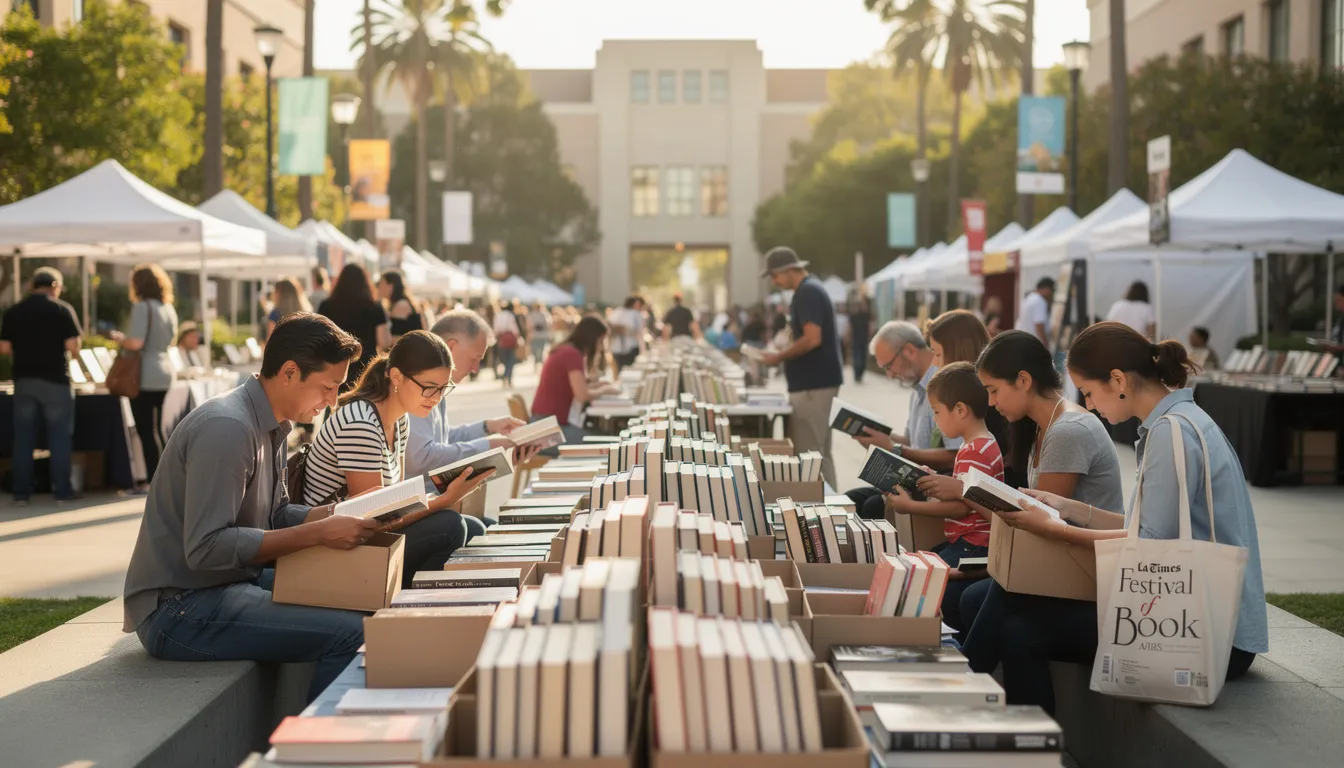
Across two sunlit days, the la times festival of books 2018 welcomed readers, writers, and publishers to a literary playground that stretched across lawns, lecture halls, and outdoor stages. You could weave from a children’s read-aloud to a crime-fiction debate in a single hour, then find yourself in a tent where a debut author signed dog-eared copies for a line that curved around the quad.
With over 150 authors on the roster and an expected crowd of approximately 150,000 attendees, the scale felt electric yet surprisingly friendly. Conversations circled around bold storytelling, the city’s creative pulse, and the evolving book industry. Most of all, the la times festival of books 2018 spotlighted diversity in literature and celebrated emerging voices who are reshaping genres from memoir and poetry to YA and speculative fiction.
What to Expect
Festival days typically ran from mid-morning to late afternoon, with outdoor stages activating first and indoor halls hosting ticketed conversations in parallel. The USC campus layout made it easy to wander between big-tent moments and quieter corners where you could linger with zines, small presses, or indie magazines.
Expect a steady rhythm. Mornings often began with family programming and craft-forward talks, midday brought the heavy-hitter panels, and late afternoons leaned conversational with author spotlights and live podcast tapings. Food trucks, shaded courtyards, and pop-up bookstalls filled the gaps, so you could plan around hunger and heat while still catching your can’t-miss sessions.
Key Events and Authors
The program mixed marquee names with discoveries, so every hour offered a tough yet welcome choice. On the outdoor Festival Stage you might catch a wide-angle conversation about the cultural moment, then hop into an intimate room for a craft clinic where authors dissected revision tactics and voice. That contrast defined the la times festival of books 2018 and gave readers a way to balance spectacle with substance.
To help you picture the flow, here is a reconstructed snapshot that mirrors how a festival weekend often stacked up. Times varied by stage, but this outline captures the heartbeat of both days and the spread of topics attendees navigated.
- Saturday: 10:00 am opening remarks and poetry warm-up; 11:00 am fiction panel on place and identity; 12:30 pm nonfiction spotlight on journalism and truth; 2:00 pm YA crossover conversation; 3:30 pm children’s story time; 5:00 pm live podcast interview with a bestselling author.
- Sunday: 10:30 am cookbook demo and food writing chat; 12:00 pm crime and suspense panel; 1:30 pm roundtable on representation and new narratives; 3:00 pm emerging voices showcase; 4:30 pm closing conversation that looked ahead to what readers would be buzzing about next.
Across these blocks, moderators steered nuanced questions, and authors layered in anecdotes that moved between page and life. The best seats combined insight with intimacy, like when a novelist mapped how a single paragraph changed after twelve drafts, or when a poet explained how line breaks can annotate silence.
Featured Authors
Our on-site conversations focused on process, influence, and career arcs. Instead of asking only about books on the table, we dug for the connective tissue that links a writer’s life to the work readers love.
- On the first spark: Several debut authors traced their books back to a personal archive of interviews with family, suggesting that oral histories can be the strongest research foundation for narrative nonfiction.
- On LA’s imprint: Veteran novelists described Los Angeles as a city of microclimates, not just in weather but in character sets. Neighborhood transitions helped them switch registers, move across class lines in fiction, and test dialogue against real street rhythms.
- On craft: Authors returned to revision as the real engine. One tip stood out. Draft fast to chase voice, revise slow to earn clarity. Many recommended reading scenes aloud to spot false notes.
- On breaking in: Emerging writers talked about community. They credited critique groups, open mics, and small presses with giving them the first yes, then used that momentum to pitch agents or build serialized projects.
These threads echoed the festival’s commitment to new perspectives. At the la times festival of books 2018, you could hear a shy debut writer find their lane in front of a supportive crowd, then watch a Pulitzer winner unpack failures that never made it into their dust jacket bio.
Workshops and Panels
If you love practical takeaways, the workshops delivered. Faculty-level talks unpacked structure, pacing, and research. Attendees compared notes in hallways, then rushed back in for lightning-round Q&A that doubled the value of each session.
- Fiction boot camp: Scene goals, escalation, and the power of specific objects to anchor emotion.
- Nonfiction lab: Source vetting, fair use basics, and a checklist for fact boxes that survive the edit.
- Poetry clinic: Lineation, white space, and reading strategies that make audiences feel a poem in their body.
- Publishing 101: Query letters, comp titles, and what a smart submission tracker looks like.
- Indie spotlight: Small press pathways and hybrid models that match ambitious projects to the right home.
Panels about representation were especially charged. Writers spoke candidly about gatekeeping and audience expectations, then offered solutions. Seed more editors of color, expand mentorship pipelines, and support youth workshops that build future readers and writers. The message landed. Diversity was not a theme for a single hour. It shaped the entire weekend.
Attendee Experience
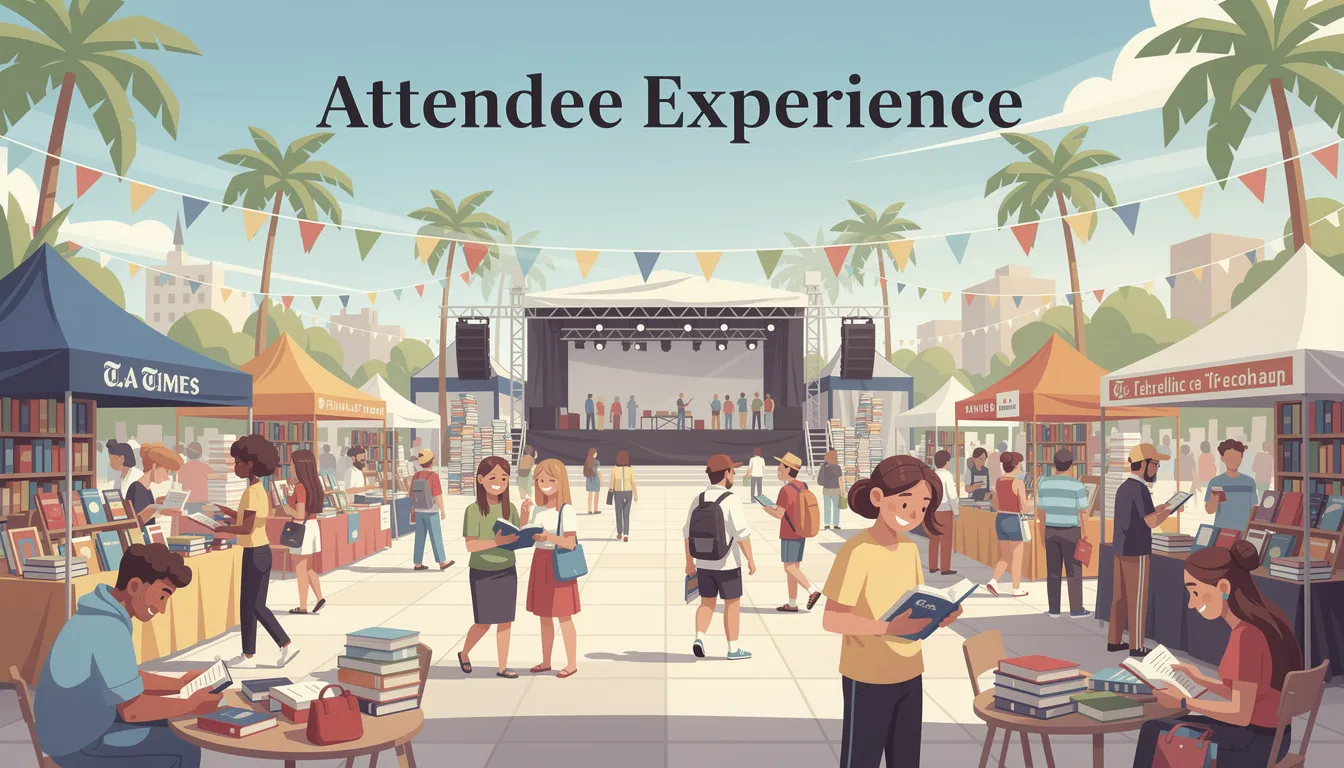
Walking the grounds felt like moving through a city within a city. You could pass a brass band between sessions, then slip into a quiet tent for a close-read of a paragraph that made someone in the front row tear up. Lines moved quickly, volunteers were helpful, and there was always another shaded bench if your feet needed a break.
Signings were their own thrill. People clutched first editions, library copies, and well-loved paperbacks while swapping staff picks with strangers. Several authors personalized inscriptions with little sketches or a one-line mantra. The vibe was warm, proud, and slightly giddy, like everyone knew they were in the right place at the right time. For many, the la times festival of books 2018 also became a reunion spot where book club friends finally met in person after months of online discussion.
Getting there and getting around stayed manageable with a plan. Many attendees parked in campus structures or took public transit, then followed clearly marked signage to stages and halls. Food lines peaked at midday, so smart festivalgoers grabbed snacks during panel changes and saved sit-down meals for late afternoon when traffic eased.
Visitor Tips
- Arrive early for prime sessions. Doors opened ahead of start times, and popular rooms filled fast.
- Build a flexible schedule. Star your must-sees, then add alternates a short walk away in case a line is capped.
- Bring water, sunscreen, and a hat. Shade helps, but the midday sun is real.
- Carry a slim notebook and a reliable pen. You will want to jot lines, names, and book recs between panels.
- Reserve energy for signings. The best conversations often happen at the table after the talk.
One more practical note. Outdoor stages were open and lively, while indoor auditoriums hosted ticketed talks. General outdoor programming felt like a gift to the city, essentially free admission to world-class conversations, with paid tickets only for select indoor events. That balance made it easier to discover new writers on the fly while still locking in a seat for your bucket-list interview.
Conclusion and Future Events
The momentum built in 2018 continues to ripple. Readers who found a new favorite book on a sunny bench still talk about that spark months and years later. Authors who met their most dedicated audiences return to LA with bigger projects and bolder forms. The la times festival of books 2018 reminded everyone that a book festival is more than a weekend on the calendar. It is a network of conversations that inspires classrooms, book clubs, and creative work long after the last tent comes down.
If you are planning your own festival strategy for future years, start with themes that dominated this edition. Seek out sessions that center representation, mentorship, and formal experimentation. Balance one big-stage spectacle with two intimate craft talks. Leave time for the unexpected. A surprise reading in a small tent might become the line you carry into your next season of reading or writing.