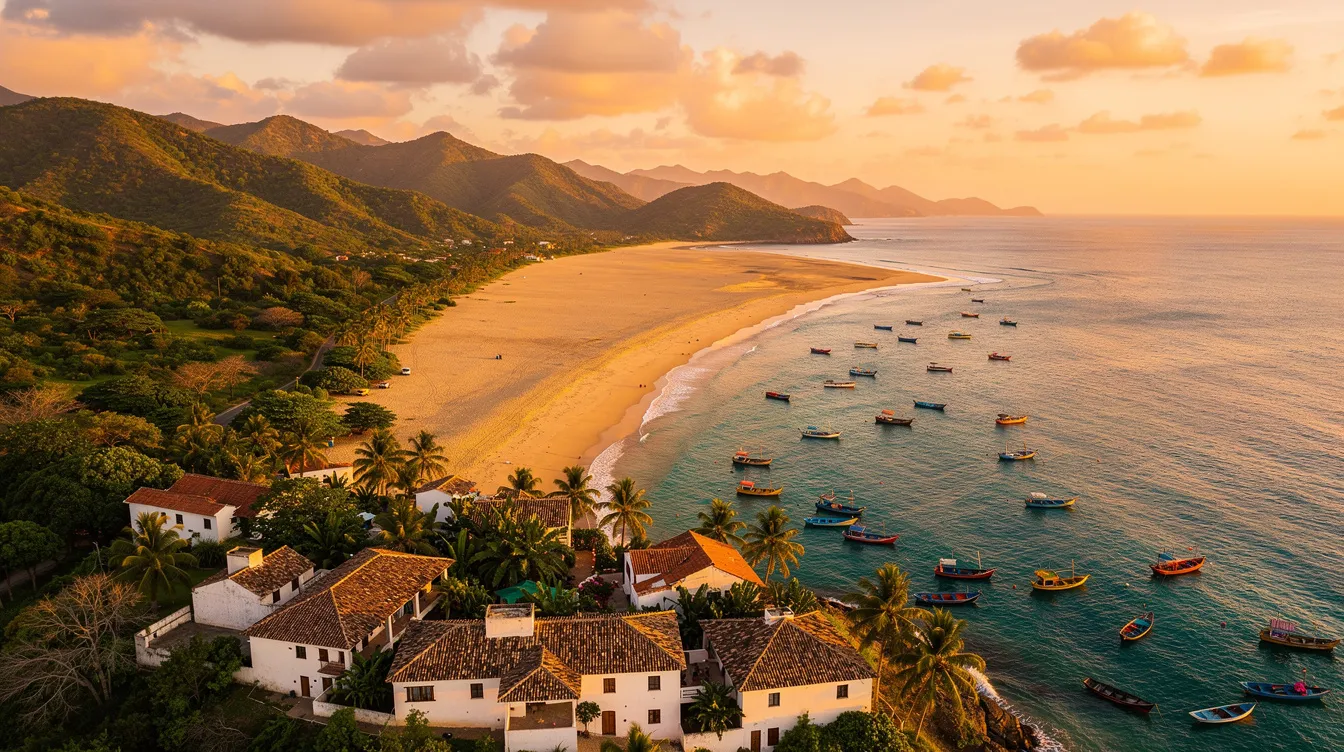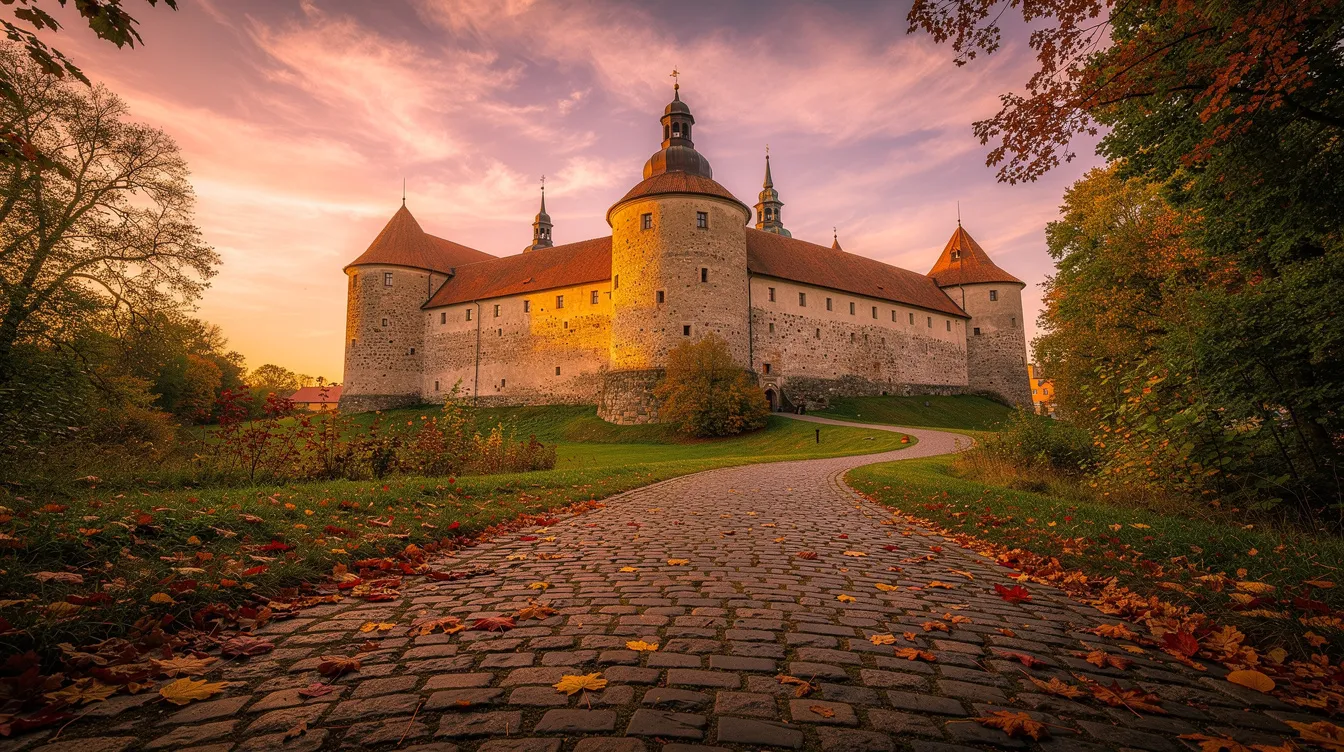
Cradled on high bluffs above the Neman River, this borderland city blends medieval silhouettes with lively café culture and a habit of welcoming travelers. Cobbled streets wind past castles, baroque churches and pastel townhouses that survived where others did not, creating a rare architectural time capsule. Festivals animate courtyards and riverbanks from spring through early autumn, while museums and cozy eateries keep winter warm. Whether you come for history, views or food, you’ll leave with layers of stories.
💡 Key Takeaways
- Grodno is one of the oldest cities in Belarus, founded in 1127.
- The population of Grodno is approximately 363,718 as of 2025.
- Grodno features the largest ensemble of historical buildings in Belarus.
What is Grodno famous for?
The city is known for its rare concentration of heritage architecture, where Orthodox and Catholic spires share the skyline with a bold late-Soviet drama theater. Travelers praise the easy walkability of the compact center, river views from the castle hill, and a culinary scene that reflects centuries of cross-border exchange. You can sip coffee on a pedestrian boulevard at noon, then catch a sunset over the water with church bells chiming behind you.
Few places in the region show the same uninterrupted sequence of architectural styles in one place. Gothic fragments, Renaissance and baroque façades, 19th-century merchant houses, Art Nouveau corners and striking modernist statements live side by side. The result is a street-level museum that rewards wandering without a plan.
Locals take pride in a reputation for tolerance and a long-standing mix of communities. That spirit surfaces in food, music and street life: Jewish heritage sites, Polish and Lithuanian influences, and Belarusian comforts cohabit naturally. It also explains why cultural events draw performers and artisans from across the borderlands every year.
Nature frames the city beautifully. Sheer riverbanks, leafy parks and steep stairways stitch neighborhoods together, offering lookouts ideal for photographers. In warm months the Neman bustles with kayaks and river cruises, while promenades fill with strollers and street musicians. Winter lends a different charm, when snow dusts the old town roofs and cafés glow late into the evening.
Beyond the highlights, what wins people over are the smaller encounters: a pharmacist in a centuries-old apothecary museum explaining herbal remedies, a baker serving warm sękacz cake, or an organist rehearsing inside a baroque cathedral. These intimate moments turn a checklist of sights into a living experience.
As a former royal city, it keeps ceremonial spaces and a stately rhythm, yet it never feels closed off. There is always another courtyard to peek into, another riverside trail to follow, another story to hear. The Neman River keeps time, the bells mark the hours, and the day slides by in scenes that feel at once historic and perfectly current. Expect layers of baroque flourish, monastic quiet and café chatter within a five-minute stroll.
Historical Significance of Grodno
Written chronicles place the foundation in 1127, on a strategic bend of the Neman where a smaller stream joined it and a hill offered natural defense. From this fortified nucleus grew a trading post along routes that linked the Baltic to the Black Sea. Merchants, monks and soldiers all flowed through, leaving traces in the brickwork and traditions that survive today.
As power shifted in Eastern Europe, the city became an outpost and then a center of the Grand Duchy of Lithuania. Castles on the heights reflected this rise, expanding from wooden ramparts to stone and then to princely residences. Crafts and guilds flourished, new parishes formed, and monastic houses multiplied along the river terraces.
Union with Poland lifted the city further. Under the Polish–Lithuanian Commonwealth, royal attention brought building booms and state ceremonies. A new palace appeared on the castle hill, salons filled with debates, and parliaments met within the walls. The air of a provincial fortress gave way to a refined courtly atmosphere intertwined with burgher vitality.
Historical peaks often cast long shadows. The partitions of the Commonwealth during the late 18th century reshaped borders and authority here, turning royal salons into imperial outposts. Yet the urban layout and many landmarks survived the change, acting as anchors for identity through turbulent decades.
The 19th century layered in new tastes and technologies. Merchant wealth built ornate townhouses, classicist porticoes, and later Art Nouveau flourishes. Railways threaded through, bringing industrial workshops and new suburbs. Public gardens and river promenades took shape, starting a tradition of green urbanism that today’s residents fiercely defend.
Twentieth-century conflicts were hard, especially for the Jewish community that had given the city much of its commercial and cultural heartbeat. War and occupation left absences that remain palpable. Afterward, reconstruction mingled preservation with modernist ambition, producing striking silhouettes like the dramatic white theater by the river that locals love to debate.
Preservation efforts accelerated in recent decades, with sensitive restorations and adaptive reuse turning storied buildings into museums, galleries, cafés and cultural centers. Together they form the country’s largest ensemble of historic architecture, a continuity you can actually walk through without gaps. That seamlessness is what makes the city such a compelling classroom and stage.
Must-See Attractions in Grodno
The compact center rewards slow exploration. Start at the castle hill for orientation, where terraces step down toward the Neman and lanes radiate into the old town. From there, descend to the main square to take in color-washed façades, then drift into side streets where courtyards shelter workshops, tiny cafés and murals that nod to the city’s many layers.
Between major monuments, pause at the drama theater with its sculptural crown, and look across the river for a panorama that pairs medieval outlines with bold contemporary curves. The Great Choral Synagogue, with its richly restored interiors, offers a moving introduction to Jewish life here, while the Pharmacy Museum on the pedestrian boulevard preserves a cabinet-of-curiosities charm. City parks and embankments provide green relief just minutes from the most photogenic streets.
The Old and New Castles
Two silhouettes define the skyline from the hilltop. The first, often called the Old Castle, carries medieval bones reworked across centuries. It guarded the river crossing, hosted grand dukes, and later sheltered a ruler fond of hunting and courtly ceremony. Recent restorations aim to bring back stonework and interiors that reflect the most storied chapters of its life.
Next door stands its 18th-century neighbor, the New Castle, which took shape as royal tastes shifted to lighter, more ceremonial spaces. Here parliaments convened, decisions that redrew maps were ratified, and a monarch’s abdication sealed an era’s end. Today galleries unravel those episodes with models, portraits and artifacts that put formal rooms into human context.
Plan visits for mid-morning or late afternoon when light washes façades and river mist lifts. Combined tickets are often sold at the hilltop ticket office; a modest museum pass typically includes several exhibition rooms and temporary displays. For the best photographs, step down to the riverside path and shoot back toward the terraces, or climb neighboring stairways for side angles that dramatize the heights.
St. Francis Xavier Cathedral
The Farny Cathedral dominates the main square with creamy baroque curves and twin towers that seem to converse with the clouds. Inside, gilded altars rise like stage sets, frescoes bloom with saints and scrollwork, and the nave’s proportions invite both silence and song. This is the city’s Catholic heart, the place where feast days burst outdoors and processions ripple through arcades and across cobbles.
Arrive outside service times for a quieter visit, dress modestly and avoid flash photography. If you’re in luck, an organ rehearsal may float through the aisles, adding a silvery soundtrack to your walk. Step back out to the square and you’ll find a ring of cafés whose terraces frame the towers like a postcard; it’s an ideal spot to sketch or jot impressions in a journal.
Kalozha Church: A Historical Treasure
On a high bank above the river stands one of the most distinctive Orthodox churches in the region, dedicated to Saints Boris and Gleb. Its walls mingle brick with river pebbles and colored ceramic inserts, a 12th-century technique that catches the sun like tiny jewels. From the outside it looks both sturdy and delicate, an ancient craft held together by care and time.
The site has long battled erosion, and modern engineering discreetly supports the slope. Inside you’ll find a serenity that contrasts with the drama of its perch. Visit near sunset when low light warms the brick and the river below moves like polished steel. The walk there is part of the experience, threading along leafy paths and quiet neighborhoods.
Round out a day of sights with a stroll on the pedestrian boulevard, where street performers set up in the evening. If you still have energy, the city zoo, the oldest in the country, is a pleasant green detour, especially for families. Those seeking a wider horizon can book a half-day trip to the Augustów Canal for cycling, kayaking or just admiring 19th-century engineering at work amid forests and waterways.
Cultural Events and Festivals
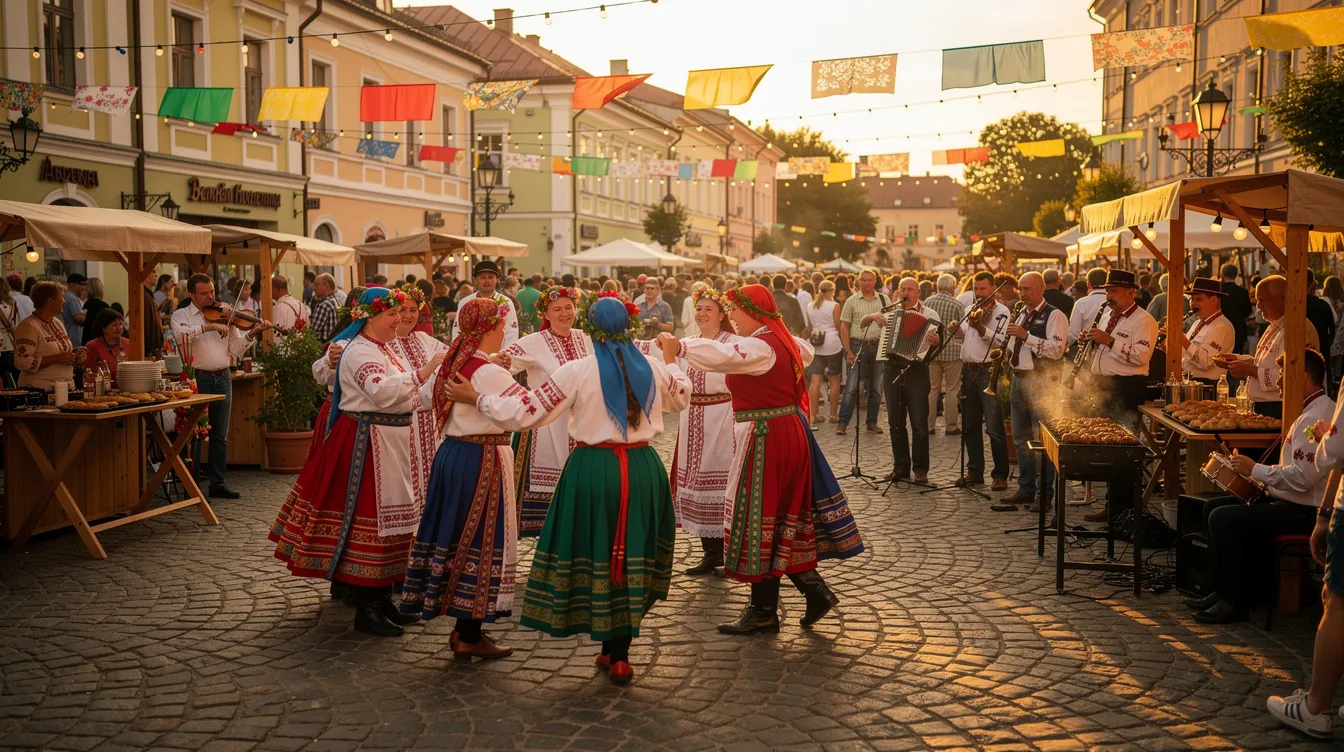
Festivals are where history steps off the pedestal and dances. Squares turn into stages, embankments glow with lanterns, and courtyards host pop-up galleries and folk workshops. Music ranges from classical recitals to jazz evenings and indie sets, while food stalls celebrate recipes handed down in families who have lived here for generations.
One of the signature gatherings is the Festival of National Cultures, a multi-day celebration that brings together dozens of ethnic communities. It fills the center with costumes, crafts and cuisines, and it’s easy to spend hours moving from a Lithuanian song circle to a Tatar pastry stand to a Polish dance workshop. The joy is less in ticking off performances than in feeling how naturally these strands weave together.
Festivals Celebrating the City’s Diversity
Summer opens with Kupalle, the Slavic midsummer night of wreaths, bonfires and river rituals. Couples float garlands on the water, folk groups sing until late, and the faint scent of wild herbs hangs in the air. It’s a photogenic evening but also a living ritual, so join respectfully: watch first, then follow local cues if invited to take part.
Warm-weather weekends often bring craft fairs and food markets to the main square and pedestrian streets. Look for ceramics, linen, woodcarving and embroidered textiles, then sample potato pancakes, dumplings and berry kisel. Many events offer free entry, with optional donations supporting performers or restoration projects, so carry small cash along with your bank card.
Jazz nights and classical open-airs pop up across courtyards and park stages. Check venue posters at the drama theater and cultural centers when you arrive; lineups change, but the quality is reliably high. Autumn narrows the calendar but deepens the mood with harvest fairs and concert series that pair organ, choir and chamber ensembles with acoustically rich interiors.
Religious calendars also shape the rhythm of the year, especially Christmas and Easter. Processions, nativity plays and carolers fill squares and alleyways, while bakeries pile counters with honey cakes and poppyseed rolls. Visitors are welcome as observers; simply keep a respectful distance and dress modestly inside places of worship.
Travel Tips for Visiting Grodno
Timing shapes your experience. Late spring to early autumn offers long days, leafy parks and lively festivals, with average highs in the low 20s Celsius. Winter charms with snow-dusted rooftops and candlelit interiors; plan for short daylight and pack warm layers, traction-friendly footwear and a thermos for riverside walks. Shoulder seasons are ideal for photographers who want soft light and fewer crowds.
Entry formalities can change, so confirm visa policy, insurance requirements and border procedures with official sources before you set out. Carry your passport at all times, keep migration documents (if issued) safe, and store digital copies in a secure cloud. A courteous hello in Belarusian or Russian goes far, and you’ll often find younger people eager to practice English in the center.
Money and connectivity are straightforward. The local currency is BYN, with cards and contactless payments widely accepted in hotels, supermarkets and most cafés. Keep some cash for markets and smaller kiosks. For data, pick up a local SIM from A1 or MTS at kiosks with passport registration; eSIMs are increasingly available. Signal coverage is strong in the center and along major roads.
Accommodation clusters around the old town and river. Mid-range hotels and boutique guesthouses put you within a five-minute walk of major sights, while business-class towers offer broader views but a longer stroll. Book early for festival weekends and religious holidays. If you’re noise-sensitive, request a courtyard-facing room away from the pedestrian boulevard’s busier corners.
Eating well is part of the pleasure. Try potato pancakes with sour cream, dumplings stuffed with meat or mushrooms, hearty stews thickened with sour cream, and crisp pickles that cut through rich flavors. Cafés along the pedestrian street serve good coffee and pastries; for dinner, look for places combining Belarusian staples with Polish and Lithuanian touches. Tipping is appreciated but optional; 5–10% is a common gesture for attentive service.
Photography etiquette is simple. Ask before photographing people at close range, especially performers and clergy. Avoid shooting security facilities or border infrastructure, and look for signage about restricted areas around bridges. Drones require permits; leave aerials to licensed operators and savor high viewpoints from public terraces instead.
Getting Around the City
Walking is your best friend. Distances are short, sidewalks are generous, and the most scenic routes often involve stairways and river paths that cars can’t reach. Wear shoes with decent grip for cobbles and slopes, and carry a compact umbrella; coastal weather it is not, but quick showers freshen streets in summer.
For longer hops, the trolleybus and bus network is extensive and affordable. Buy single-ride tickets from kiosks or the driver and validate them on board, or use rechargeable cards where available. Stops and routes are posted clearly; an offline map helps when signage is only in Cyrillic. Night service is limited, so plan late returns on foot or by taxi.
Taxis and ride-hailing apps such as Yandex Go are plentiful and inexpensive by regional standards. Set your destination in the app to avoid language hiccups and confirm the car’s plate before boarding. Drivers appreciate exact addresses; dropping a pin at the nearest landmark works if you don’t have a street number.
Cycling is a joy along embankments and toward the Augustów Canal, where trails wind through pine forests and over old locks. In the center, traffic is calm but watch for tracks and slick cobbles after rain. Rental outfits open in the warm season; bring a lightweight lock for café stops.
Trains and intercity buses connect the city with regional hubs, making day trips easy. Schedules are reliable, and stations are close to the center. Arrive a bit early to navigate platforms at an unhurried pace, and keep small bills for station kiosks where you can grab water and a pastry for the ride.
However you move, organize days around natural pauses: a riverside bench at midday, a museum in late afternoon, then a café window for the blue hour when façades shine and streetlights spark. That rhythm mirrors local life and leaves space for the unexpected — a courtyard concert, an impromptu chat, a surprise view from a staircase you hadn’t noticed before. Plan the bones, but let the city provide the breath.