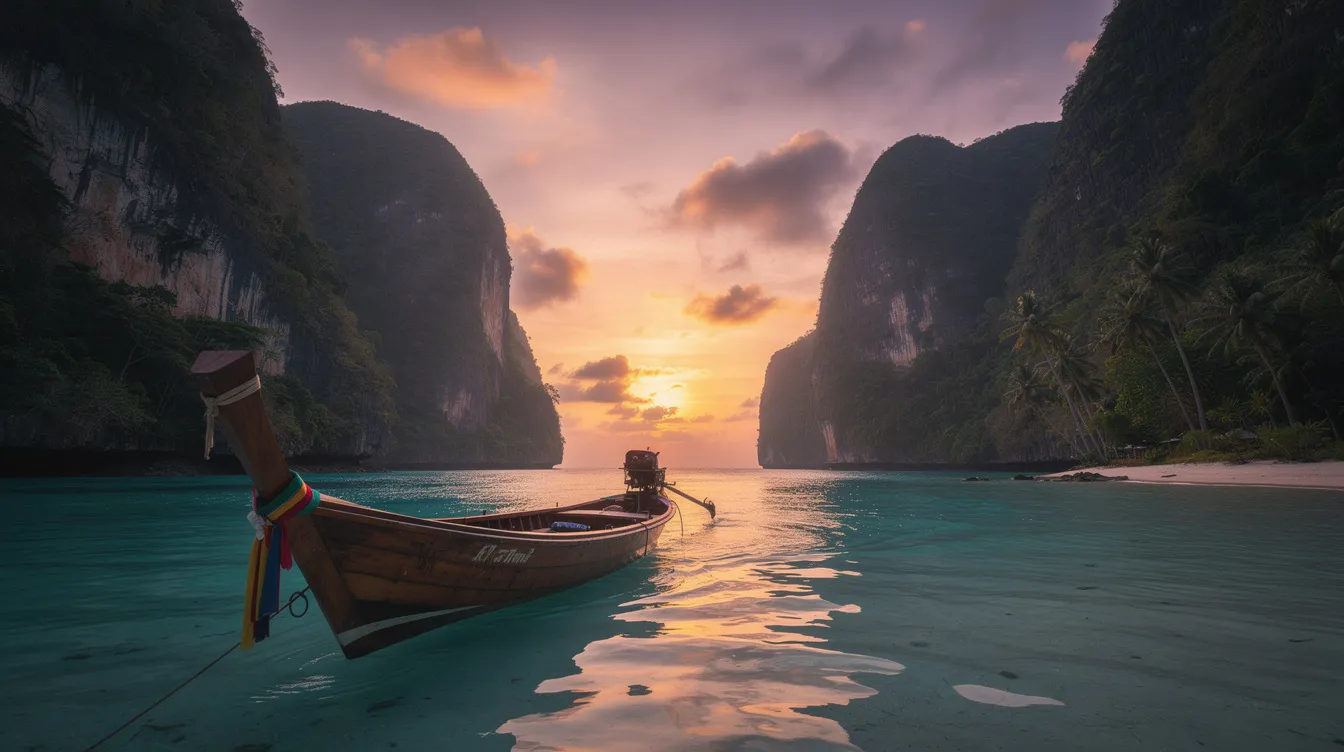
Thailand’s diversity makes it irresistible, from golden temples and misty mountains to postcard-perfect beaches and bustling night markets. This guide gathers the best places to visit in Thailand into a practical, inspiring route that balances icons with hidden corners. You will find seasonal tips, cultural etiquette, and on-the-ground advice to help every day run smoothly. Whether it’s your first trip or your fifth, new discoveries await around every curve in the road and every bend in the river.
💡 Key Takeaways
- Thailand received over 39 million international tourists in 2019.
- Best time to visit is from November to February for cooler weather.
- Over 2,000 temples are located across Thailand, many in Chiang Mai and Bangkok.
Introduction to Thailand’s Top Destinations
Planning the best places to visit in Thailand starts with understanding its three broad regions travelers frequent most: the vibrant central plains and capital, the misty northern highlands, and the island-studded south. Each region rewards different travel styles, from culture-rich temple hops to lazy beach days and jungle adventures. A well-paced itinerary blends them, allowing time to slow down and savor local experiences.
Thailand welcomed over 39 million international visitors in 2019, and its tourism infrastructure remains polished across major hubs and smaller towns. Cooler, drier months from November to February are ideal for sightseeing and island-hopping, especially if you prefer warm days and crisp evenings. Sacred architecture anchors the country, with over 2,000 temples found nationwide, many clustered around Bangkok and Chiang Mai.
This guide spotlights headline acts like Phuket and Bangkok along with less-traveled gems such as Pai and Sukhothai. Expect practical notes on transport, weather, etiquette, and timing, plus food and market tips that connect you with daily life. Use these insights to customize a route that fits your pace, then let Thailand’s flavors, colors, and smiles do the rest.
1. Bangkok: The Vibrant Capital
Bangkok hums with contrasts: skytrain lines swoop past riverside temples, street-food stalls share corners with Michelin-rated eateries, and canal-side neighborhoods coexist with glittering malls. The city’s energy makes it one of the best places to visit in Thailand for first-timers, with world-class sights concentrated along the Chao Phraya River and historic Rattanakosin Island. Plan early starts to avoid midday heat and pair major temples with shaded markets or air-conditioned museums.
Getting around is simple with the BTS Skytrain, MRT subway, and river ferries. A stored-value Rabbit Card speeds up travel, while express boats on the Chao Phraya link Old City highlights with modern districts and rooftop bars. Dress respectfully for temples with covered shoulders and knees, carry socks for bare-foot temple floors, and hydrate constantly. Night markets such as Talad Rot Fai and riverside promenades offer breezy evenings for grazing on grilled seafood and Thai desserts.
Must-See Attractions in Bangkok
- Grand Palace and Wat Phra Kaew: Dazzling royal complex and the revered Emerald Buddha; arrive at opening time for thinner crowds.
- Wat Pho: Home to the Reclining Buddha and traditional Thai massage school; combine with sunset across the river.
- Wat Arun: Temple of Dawn with prang spires that glow at golden hour; climb the steep stairs if you’re comfortable.
- Chatuchak Weekend Market: Thailand’s largest market, perfect for textiles, ceramics, and street snacks; go early and carry small notes.
2. Chiang Mai: Cultural Hub of the North
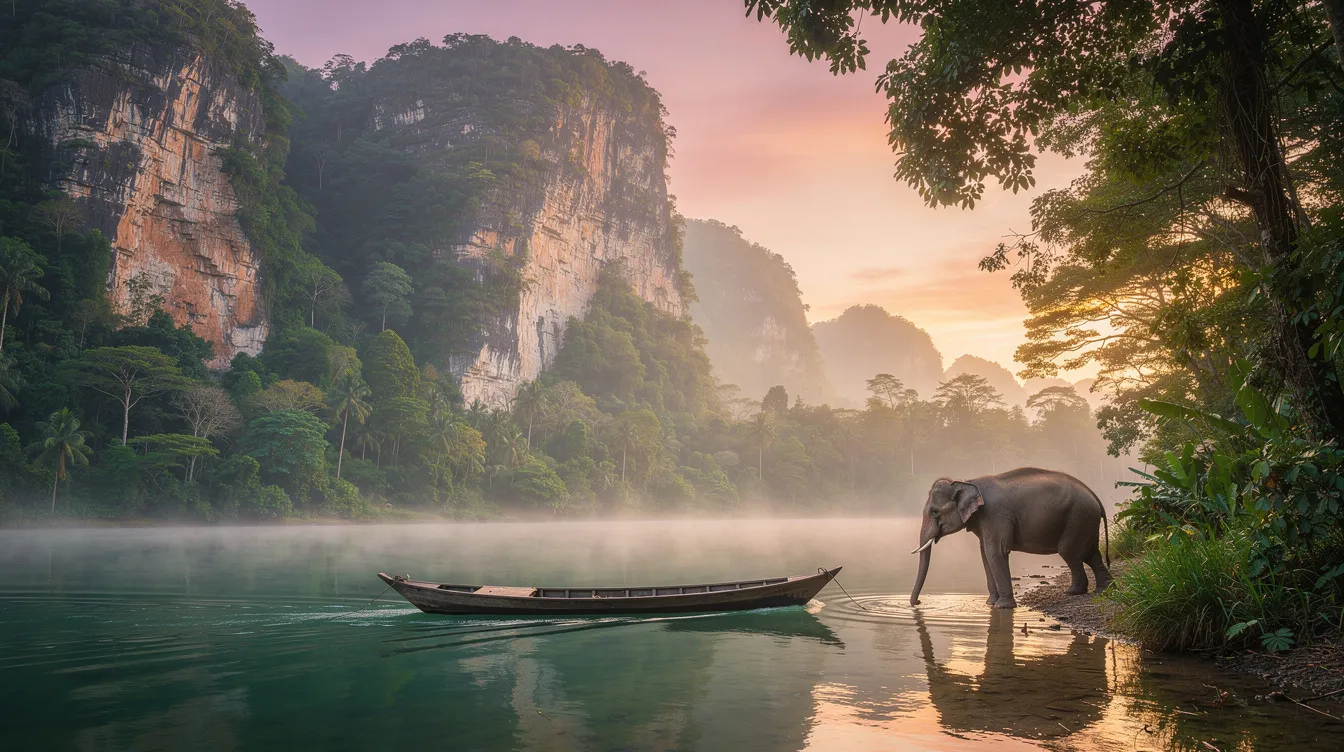
Chiang Mai blends temple heritage, creative neighborhoods, and forested mountains. The moated Old City houses ornate monasteries, while surrounding hills shelter hill-tribe villages and elephant conservation projects. With a dense concentration of temples and a thriving café scene, it’s a base for day trips to waterfalls, sticky rice fields, and night markets that roll late into the evening.
Sunrise views at Wat Phra That Doi Suthep frame the city below, while afternoons invite wandering artisan lanes for woodcarving, silverwork, and textiles. Plan ethical wildlife encounters by seeking sanctuaries that forbid riding, limit group sizes, and prioritize animal welfare. Cooler months are perfect for mountain hikes and hot pot dinners along the Ping River, yet Songkran water festivities in April reveal another joyful side of the city.
Culinary Delights in Chiang Mai
Northern flavors are rich and aromatic. Try Khao Soi, a coconut curry noodle soup crowned with crisp noodles and pickled greens, then sample sai ua herbal sausage and nam prik noom chili dip at the evening markets. The Sunday Walking Street transforms Ratchadamnoen Road into a sensory parade of crafts and bites, while the Nimmanhaemin area showcases third-wave coffee, smoothie bowls, and modern Lanna cuisine in stylish courtyards and garden cafés.
3. Krabi: Paradise for Beach Lovers
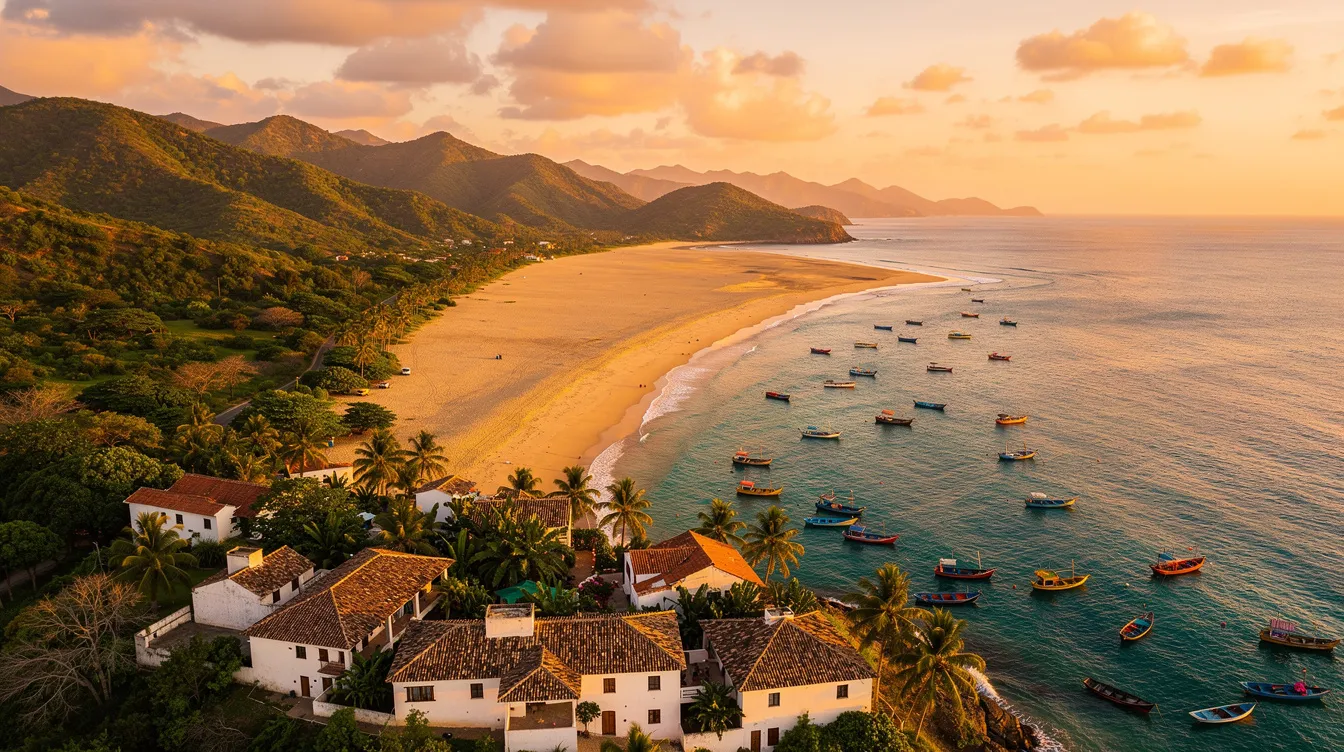
Krabi’s limestone karsts and emerald bays set the scene for island-hopping, snorkeling, and rock climbing. Base yourself in Ao Nang or rail across to Railay Peninsula for a slower rhythm, sandy footpaths, and golden sunsets. Clear, calm seas from November to April suit beginners and families, while shoulder months can bring lush scenery and occasional showers that clear the crowds.
Even on short trips you can kayak into sea caves, scramble to panoramic viewpoints, and dine on beachfront grills serving fresh fish with chili-lime sauces. Inland, the Emerald Pool and hot springs promise a freshwater change of pace. Boats range from budget longtails to private speedboats; confirm life jackets, itinerary timing, and swell conditions before departure, especially if traveling with children.
Water Activities in Krabi
- Railay Beach kayaking: Paddle under cliffs and into hidden coves at high tide for glassy reflections.
- Phra Nang Cave Beach snorkeling: Shallow reefs ideal for first-timers; go in the morning for better visibility.
- Four Islands tour: A loop to Poda, Chicken, Tup, and Phranang; check tide times for the sandbar walk.
- Hong Islands lagoon: Turquoise bowl encircled by limestone walls; best on a calm, sunny day.
4. Phuket: Thailand’s Largest Island
Phuket is a full-fledged destination with diverse beaches, upscale dining, and a preserved Sino-Portuguese Old Town painted in pastel hues. West-coast strands like Kata and Kamala suit families and beginner surfers, while Nai Harn and Ya Nui feel quieter without straying far from amenities. Day trips to Phang Nga Bay reveal sculpted sea stacks, mangrove tunnels, and floating villages that balance tourism with local life.
Consider splitting time between the south for beaches and the Old Town for culture and cafés. Evenings can be low-key with sunset viewpoints and night markets or turned up with live music venues and cocktail bars. Respect local beach flags and currents, choose registered taxis or app rides, and book marine tours with reputable operators focused on reef-safe practices.
Nightlife in Phuket
Nightlife runs the gamut. The flamboyant lights of Bangla Road in Patong draw partygoers, while Old Phuket Town hosts speakeasies, jazz bars, and weekend markets with street performers. Beach clubs along Surin and Kamala curate sunset DJ sets and comfortable loungers, and family-friendly options include outdoor cinemas and market food courts where kids can try milder Thai dishes alongside fruity shakes.
5. Koh Samui: Tropical Getaway

Koh Samui charms with a loop of varied beaches, from lively Chaweng to calm Choeng Mon and laid-back Bang Por. Inland, coconut groves and waterfalls offer a breezy escape when the sand gets hot. The Gulf of Thailand often enjoys kinder seas in months when the Andaman side is choppy, making Samui a flexible pick outside peak season.
Boat trips to Ang Thong Marine Park open a world of limestone islands, jade lagoons, and snorkeling coves, plus a famed viewpoint overlooking a mosaic of islets. On land, rent a car or hire a driver for a scenic ring-road day that strings together sunset bars, beachside cafés, and small fishing villages. Monsoon patterns can shift, so check regional forecasts when planning shoulder-season trips.
Cultural Experiences in Koh Samui
Culture sits in plain sight at the island’s northern headlands. The 12-meter-tall Big Buddha watches over boats gliding between Samui and Koh Phangan, while nearby Wat Plai Laem dazzles with colorful statues and serene ponds. Time your visit for early morning when locals bring offerings, then browse fishermen’s shophouses for homestyle curries, coconut ice cream, and handmade crafts that tell Samui’s story beyond the beach.
6. Ayutthaya: Historical Ruins
Just north of Bangkok, Ayutthaya’s crumbled prangs and brick chedis recall a royal capital that once dazzled global traders. The ruins sit on an island ringed by rivers, making it easy to bike between temple sites shaded by banyan trees. Cooler mornings and late afternoons are best for soft light and fewer tour groups, and you can pair the ruins with flavorful boat-noodle shops and river sunset cruises.
Ayutthaya is accessible by train, van, or boat from Bangkok, and most visitors explore by bicycle or tuk-tuk. Pack modest clothing for temple visits, bring sunscreen and water, and mind uneven steps. Photographers should plan golden-hour returns to favorite spots when brickwork glows amber and monk robes pop against mossy walls.
Exploring Ayutthaya’s Temples
- Wat Mahathat: Iconic Buddha-head entwined within tree roots; respect barriers and view from a short distance.
- Wat Chaiwatthanaram: Riverside Khmer-style complex that shines at sunset; great for wide-angle shots.
- Wat Phra Si Sanphet: Former royal temple with three chedis; pair with the nearby Viharn Phra Mongkol Bophit.
- Bang Pa-In Summer Palace: Ornate pavilions and manicured gardens; modest dress applies.
7. Sukhothai: UNESCO World Heritage Site
Sukhothai, cradle of early Thai art and script, preserves elegant ruins spread across a sprawling historical park. Broad moats, lotus ponds, and quiet lanes make it a peaceful counterpoint to busier sites. The park’s layout, divided into zones, encourages slow exploration on two wheels, with bell-shaped chedis and serene Buddha images appearing between frangipani and palms.
Base yourself in Old Sukhothai for sunrise rides among ruins, or stay in New Sukhothai for a wider dining scene and bus connections. Evenings cool quickly, so pack a light layer. Museum visits deepen appreciation for stucco reliefs and bronze artistry, while local markets offer snacks like grilled sticky rice and pandan desserts.
Biking Through Sukhothai
- Sukhothai Historical Park opens early; start at dawn for calm paths and golden light.
- Focus first on the Central Zone, then branch to North and West where crowds thin.
- Break at the Ramkhamhaeng National Museum to connect artifacts with temple layouts.
8. Pai: A Hidden Gem in the Mountains
Pai sits in a lush valley framed by rice fields, waterfalls, and caves, rewarding those who tackle the curvy road from Chiang Mai. The town’s slow beat pairs hammocks and hot springs with easy day rides to viewpoints and bamboo bridges. Creative cafés, live-music bars, and a nightly walking street lend a friendly, backpacker vibe without losing the rural charm that made Pai famous.
Motorbikes are common for short loops, though songthaews and tours cover key sights if you prefer not to ride. Start early to avoid midday sun on canyon walks, pack layers for cool mornings, and choose eco-minded hot springs and tours that limit environmental impact. Mango sticky rice and northern-style curries sustain sunset sessions at lookouts and riverside fire pits.
Nature Adventures in Pai
- Pai Canyon: Narrow ridges and sandstone ledges; sturdy shoes and caution on windy days.
- Tha Pai Hot Springs: Soak in forest pools; go early for steam-lit serenity.
- Tham Lot Cave: Guided bamboo-raft journey through vast chambers and ancient coffins.
- Yun Lai Viewpoint: Dawn panoramas over misty fields; bring a light jacket.
9. Chiang Rai: Temples and Nature
Chiang Rai’s creative pulse mixes with mountain landscapes and tea-covered ridges. The city’s signature sights reimagine sacred art in bold palettes and modern lines, while day trips reach the Golden Triangle and quiet river towns near the Lao and Myanmar borders. Cooler air, slower traffic, and compact distances make it an easygoing base for a few nights.
Start with Wat Rong Khun, the White Temple crafted in intricate mirror mosaics, then continue to the cobalt interiors of Wat Rong Suea Ten, the Blue Temple. The Baan Dam Museum (Black House) contrasts with dark wooden halls and provocative art. Tea plantations around Doi Mae Salong invite strolls through fragrant rows and tastings that reveal delicate differences between oolongs and greens.
Art and Culture in Chiang Rai
Art walks weave temples with galleries and cafés that showcase local designers. Night bazaars highlight northern crafts and gentle live music, while day tours add hill-tribe cultural centers and river cruises. Balance your schedule with a waterfall stop at Khun Korn and a slow lunch of khao soi or laab in leafy garden restaurants where time seems to pause.
10. Koh Phi Phi: Iconic Island Experience
Koh Phi Phi dazzles with turquoise coves, steep cliffs, and waters alive with reef fish. Visitor caps and conservation rules help protect fragile bays, improving water clarity and marine life. Plan early starts and siesta-style breaks to dodge midday crowds, then return to viewpoints and beaches as the light turns soft and boats thin out.
Many travelers base on Phi Phi Don and tour surrounding islets with longtails or speedboats. Pay attention to reef-safe sunscreen guidelines and current Maya Bay regulations. A short hike to the island’s viewpoint rewards with a sweeping panorama of twin bays where sand links two lush hills like a silk ribbon laid across the sea.
Island Hopping Around Koh Phi Phi
- Maya Bay: Protected area with strict access rules; check current timings and no-swim zones.
- Phi Phi Viewpoint: Best at sunrise or sunset; bring water for the stairs.
- Shark Point and Hin Klang: Snorkel sites with good visibility on calm days.
- Bamboo Island: Powdery sands and clear shallows; anchor for a relaxed picnic.
Tips for Traveling in Thailand
Timing your trip matters. The best overall window is the cool, dry season from November to February when city exploring and island-hopping are most comfortable. Shoulder seasons can be excellent for value and fewer crowds, while local microclimates mean the Gulf and Andaman coasts sometimes trade ideal conditions. Check regional forecasts and consider splitting time between coasts if flexibility allows.
Getting around is straightforward thanks to domestic flights, comfortable trains, and intercity buses. In cities, rely on Skytrain and subway lines, ride-hailing apps, and metered taxis; in smaller towns, tuk-tuks and songthaews bridge short hops. Buy a local eSIM/SIM for maps and translations, and learn a handful of Thai phrases like “khop khun” (thank you) and “sawasdee” (hello) to break the ice.
Etiquette enhances every encounter. Dress modestly for temples, remove shoes before entering sanctuaries and some homes, and avoid touching sacred objects without guidance. Support sustainability by choosing refillable water bottles, reef-safe sunscreen, and ethical wildlife experiences. Street food is both safe and delicious; pick busy stalls with high turnover and watch dishes cooked to order.
Travel Advice for First-Time Visitors
- Build your route around 10–14 days for variety without rush, linking Bangkok, the north, and a southern island.
- Start early for major sights, then pause midday; resume with sunset markets and riverfront walks.
- Carry temple attire: light scarf/sarong and pants or a skirt covering knees.
- Use ATMs at banks and bring a spare card; notify your bank before travel.
- Book island trips with reef-safe operators and confirm life jackets and weather plans.
From sky-piercing stupas to jungle-framed beaches, the best places to visit in Thailand reward curiosity and a flexible rhythm. Sketch your must-sees, then leave room for serendipity, whether it is a steaming bowl of noodles down a quiet lane or a sunset you will never forget. Pack light, bring patience, and let Thailand’s warmth guide your next great journey.