Lovina on Bali’s tranquil north coast is where black-sand beaches, gentle waves, and village life set a slower rhythm. Travelers come for sunrise horizons, steaming hot springs, and culture-rich days in temples and markets. If you crave deep breaths, long swims, and unhurried evenings, this shoreline delivers a quieter face of the Island of the Gods. Here is your complete guide to planning a restorative escape, packed with practical tips and responsible travel advice.
💡 Key Takeaways
- Lovina is home to a variety of local temples and cultural sites.
- Dolphin tours can be crowded and disruptive to marine life.
- Banjar Hot Springs features therapeutic sulfur-rich waters.
What Makes Lovina Bali Unique?
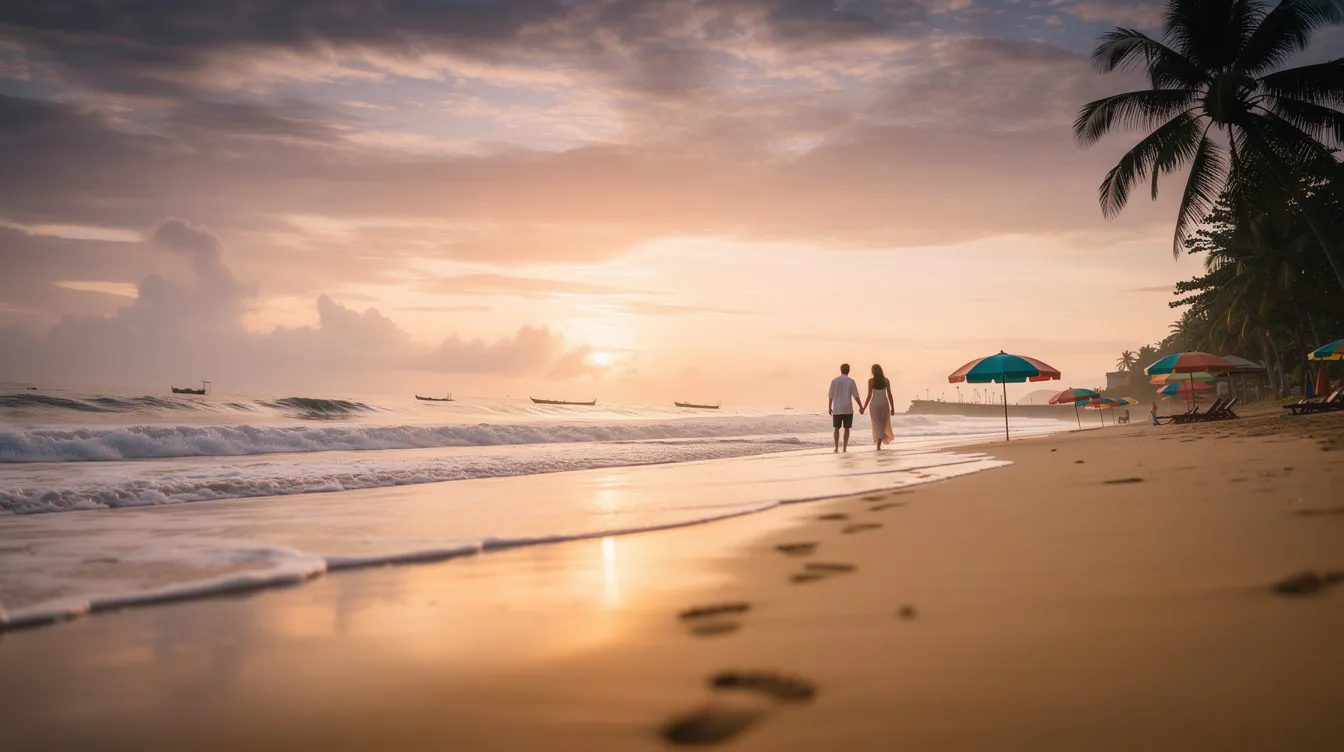
Lovina is a cluster of coastal villages in Buleleng, a place where mornings arrive quietly and sunsets glow warm across the Bali Sea. The beaches wear a ribbon of volcanic sand, waves are typically calm, and fishing outriggers glide across glassy water at dawn. Compared with the busy south, life here is practical and grounded. You notice it in the smiles at the market, the tidy family shrines, the jingle of gamelan from a schoolyard, and the long, easy conversations with café owners.
Lovina Bali stands apart because it offers a genuine sense of space. You can stroll the shore without weaving through beach clubs, explore rice terraces and vineyards that roll down to the sea, and find cultural sites tucked under banyan trees rather than behind ticket counters. Travelers often base themselves in Kalibukbuk or Anturan for a few unhurried days, using Lovina as a springboard to waterfalls, monasteries, and the protected reefs of the northwest.
Another reason Lovina draws return visitors is balance. Days can be simple swims and seafood warungs; or full, with a sunrise boat trip, a countryside temple visit, and a soak in the springs before dinner. The nightlife is lighter than in Kuta or Canggu, which suits those who prefer ocean sounds over bass lines. Friendly homestays, midrange resorts, and villa hideaways make it easy to match your trip to your pace.
Overview of Lovina’s Beaches
Lovina’s shoreline is technically a series of beaches, each with a slightly different feel. Kalibukbuk is the social hub with its landmark dolphin statue, sunset bars, and a waterfront path ideal for evening strolls. Anturan stretches quieter, with long swimmable sections and a few dive centers set back from the sand. Pemaron and Tukadmungga are more residential, good for travelers seeking breezy guesthouses and fewer crowds. Temukus sits west near the hot springs, mixing cliff-top views with village life and easy access to cultural sites.
Black sand can feel warmer at midday, so bring sandals for beach walks. The sea is typically calm enough for families to swim near shore, and at sunrise it can be mirror-still, perfect for those postcard photos. Even on popular days, you can usually find a peaceful pocket to read, nap, or watch fishermen mend their nets.
Best Time to Visit Lovina
North Bali enjoys a tropical climate with a drier micro-season than some southern areas. Dry months from April to October bring sunnier skies, lower humidity, and clearer seas. The rainy season, typically November to March, has warm showers and lush scenery, with bursts of rain often arriving in the afternoon or evening. Lovina’s waters are generally calm year-round, but visibility for snorkeling improves in the dry months when runoff is minimal.
For dolphin outings and sunrise moments, aim for very early starts regardless of season. Shoulder months like May, June, September, and October often hit the sweet spot of pleasant weather and fewer visitors. If you love waterfalls, the landscape after rains can be especially photogenic, though you’ll want good footwear for muddy paths. School and national holidays can nudge prices up and make popular sites busier, so book accommodations ahead in those periods.
- Best overall months for sun and sea: May to October.
- Quiet value window: late April to early June, and late September.
- Lush landscapes and fuller waterfalls: December to February.
- Most comfortable dolphin trips: calm mornings in the dry season.
Top Attractions in Lovina
Lovina’s appeal isn’t one marquee sight but a mosaic of gentle experiences. Spend a slow morning on the promenade at Kalibukbuk, wander into Singaraja to glimpse Bali’s former capital, and slip off to waterfalls up in the hills. You’ll find artful temples with stone carvings, markets stacked with tropical fruit, and a dining scene that leans fresh and local. The mix invites curiosity rather than checklists, which is part of the charm.
Beyond the beach, you’re within easy reach of countryside highlights. Gitgit Waterfall is a popular stop on the road south, while the higher cluster around Sekumpul rewards those ready for a hike and steps. Munduk’s coffee country is a breezy day trip with views of twin lakes. In the evenings, return to the coast for sunsets that turn the sea into a dusky pastel mirror.
Must-See Places
- Lovina Beachfront and Dolphin Statue: The central meeting point for strolls, sunrise photos, and people-watching.
- Banjar Hot Springs: Steaming, sulfur-rich pools in a garden setting, ideal after a hike or ride.
- Brahma Vihara Arama: Bali’s largest Buddhist monastery with serene courtyards and hillside views.
- Gitgit and Sekumpul Waterfalls: Iconic cascades within driving distance, great for day trips with a driver.
- Singaraja Heritage Area: The old harbor, Chinese temple, and a glimpse of Bali’s northern history.
Ethical Dolphin Tours in Lovina
Dolphin watching at sunrise put Lovina on the map, and it remains a major draw. Boats head out in the dawn glow, skimming gentle swells in search of spinner and bottlenose dolphins. The experience can be magical when done respectfully, but it can also be disruptive when too many boats crowd and chase. That’s why travelers increasingly prioritize operators who follow wildlife-friendly practices.
Responsible tours maintain distance, avoid encircling pods, keep noise low, and accept that not every outing yields close encounters. Look for smaller groups and skippers who read the sea with patience. Ethical trips may start a bit earlier to avoid the busiest window and will change course if behavior becomes stressful for the animals. As a guest, your choices matter: a calm boat that watches without pursuing helps keep dolphin behavior natural.
Choosing the Right Tour Operator
- Ask about group size; prefer small boats with limited passengers.
- Confirm they keep at least 50 meters from pods and never box dolphins in.
- Check that they avoid feeding, touching, or diving in with the animals.
- Seek quiet engines and an early departure to beat the busiest pack.
- Read recent traveler feedback for consistency and respectful conduct.
As of 2026, community discussions and voluntary guidelines are more common, but not universal. If you arrive at the beach and see a flotilla racing after a pod, consider skipping that morning and rebooking with a more mindful captain. Supporting the right operators nudges the whole scene toward better practices while preserving what makes these encounters special.
Exploring Menjangan Island
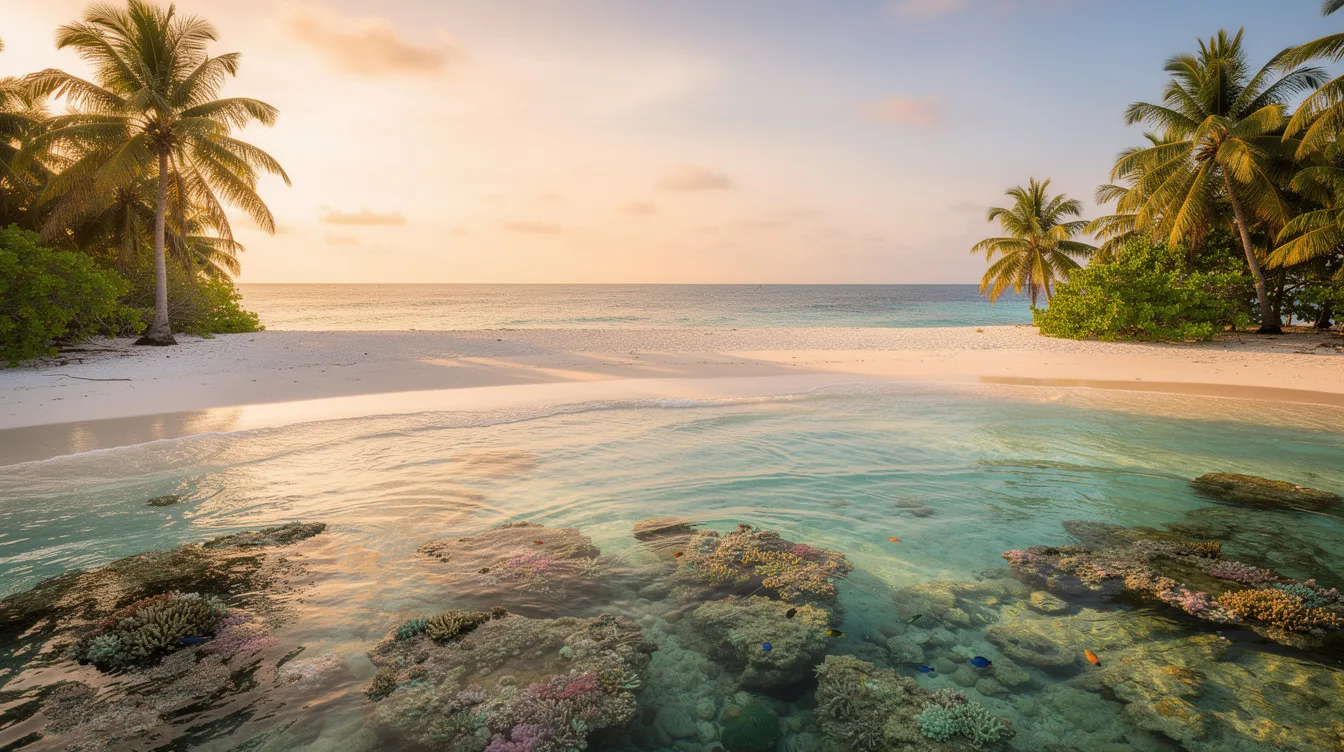
Just west of Lovina lies Menjangan Island, part of West Bali National Park and home to some of the island’s finest reefs. Travelers typically drive 1.5 to 2 hours from Lovina to Labuhan Lalang, then take a licensed boat across clear water to protected walls draped in soft corals and sea fans. Visibility often stretches to 20 to 30 meters, with gentle currents along dramatic drop-offs. Snorkelers drift above coral gardens while divers trace vertical walls teeming with reef life.
Trips can be organized from Lovina with park permits, a guide, gear, and lunch. Costs vary by group size and inclusions, so budget roughly IDR 300,000 to 500,000 per person for a shared snorkel trip, with private trips and diving priced higher. Fees and regulations can change seasonally, so confirm current requirements the day before. Bring reef-safe sunscreen, a long-sleeve rash guard, and ample water to minimize plastic waste.
Snorkeling and Diving
For snorkelers, sites like Coral Garden offer easy entry, shallow coral heads, and bright fish. The island’s wall drops in places from the snorkel zone into deep blue, giving you that float-above-the-abyss sensation while still staying safe near the surface. Divers can explore vertical sections adorned with gorgonians, sponges, and the occasional turtle or reef shark gliding past. Conditions are typically beginner-friendly, but check currents and visibility with your guide before committing to specific sites.
While Menjangan is spectacular, treat it gently. Don’t stand on coral, keep fins off the reef, and avoid chasing turtles for photos. A slow, observant approach reveals more: shrimp cleaning stations, camouflaged scorpionfish, and tiny nudibranchs that pop in neon on the limestone. The easy pace suits Lovina’s spirit, making a Menjangan day trip one of the north coast’s signature experiences.
Relaxing at Banjar Hot Springs
Banjar Hot Springs sit in a jungle garden just inland from the beach, where dragon-mouthed spouts pour mineral water into emerald pools. The sulfur content gives the baths their distinctive scent and reputed therapeutic qualities, making them a favorite after long rides or waterfall hikes. Water temperatures hover around warm-bath levels, soothing without being overwhelming, and the tiered layout lets you find a quieter corner even on busier days.
Arrive early morning or late afternoon for a peaceful soak and softer light for photos. There’s a small entrance fee, changing facilities, and simple cafés nearby for a post-bath drink. Because sulfur can discolor light fabrics, consider wearing a dark swimsuit and rinsing it after your soak. The combination of steamy water, birdsong, and temple bells drifting from the hills creates a restorative pocket you may return to twice in one trip.
- Shower before entering and keep glass out of pool areas.
- Choose darker swimwear to avoid staining.
- Remove silver jewelry to prevent tarnishing.
- Stay hydrated and limit soak time if you feel light-headed.
Cultural Highlights: Brahma Vihara Arama
Near Banjar Hot Springs, Brahma Vihara Arama rises in terraces of peace. This is Bali’s largest Buddhist monastery, with meditation halls, prayer wheels, and a miniature Borobudur-style stupa. Incense spirals in the courtyards, while views sweep over treetops toward the coast. It’s a different spiritual note from the island’s Hindu temples, and the serene compound invites quiet reflection even for those with only a passing interest in religious sites.
Dress modestly, borrow a sarong if needed, and speak softly within the grounds. You may find resident monks moving between halls, gardeners sweeping paths, and butterflies standing guard over lotus pools. Donations help with upkeep; look for boxes near entries. Aim for weekday mornings when the monastery is calmest, then pair the visit with a soak at Banjar or a countryside lunch stop.
Visiting Local Temples
Lovina and the wider Buleleng regency are dotted with distinctive temples. Pura Beji in Sangsit showcases intricate stone carvings and a historic irrigation association legacy. Pura Dalem Jagaraga features remarkable reliefs, a window into local artistry that blends myth and everyday scenes. In Singaraja, the Chinese-style Ling Gwan Kiong temple glows with bright reds and golds beside the harbor, hinting at the town’s multicultural past. Each site asks simple respect: covered shoulders, a sarong, and a few moments to observe before photographing shrines or ceremonies.
If you encounter a procession, step aside, give space, and enjoy the moment rather than pushing for a close-up. Ask before shooting portraits, and consider leaving a small donation when you enter temple grounds. The result is a more meaningful connection with place, and genuine smiles from the community that welcomes you.
Where to Stay in Lovina
Accommodation in Lovina runs the spectrum from family-run homestays to elegant villas tucked into green ridgelines. For easy dining and beachfront sunsets, many travelers base in Kalibukbuk. Anturan trades bustle for tranquility with long sandy stretches and a few well-placed dive operators. Pemaron and Tukadmungga present good value and a local-neighborhood feel, while Temukus places you close to Banjar’s hot springs and hillside views.
Budget travelers find comfortable rooms with fans or AC in guesthouses for around IDR 300,000 to 700,000 per night, depending on season and amenities. Midrange resorts with pools and beachfront lounges often land in the IDR 800,000 to 1,800,000 bracket. Villas with private pools or sea views vary widely but typically start near IDR 2,000,000+ per night, especially for multi-bedroom stays. Check whether your stay includes breakfast, airport transfers, or a local shuttle, and ask about onsite tour desks that can arrange drivers for waterfall loops and Menjangan day trips.
Wherever you choose, nights are usually quiet, and many places weave in small cultural touches like canang sari offerings at dawn. If you prefer sand underfoot in seconds, choose central beachfront. If you crave bird calls and garden breezes, consider a hillside villa. Either way, you’re never far from the shore, the market, or a stretch of road that winds into the green.
What to Eat in Lovina
Sea breezes and coastal kitchens set the tone for meals in Lovina. Beachfront warungs grill the day’s catch, with plates of mahi-mahi or snapper arriving beside coconut rice and sambal. Classic Balinese dishes like sate lilit, lawar, and babi guling can be found in town or in nearby villages known for their roasters. If you’re vegetarian or vegan, you’ll find cafés serving tempe curries, gado-gado, and smoothie bowls made with local fruit.
Evenings are low-key and flavorful. Start with a wedge of pineapple dusted in chili and salt, then tuck into nasi campur at a family-run counter. Coffee culture is strong up north, with beans from Munduk and Kintamani making their way into espresso machines and drip brews. If you’re curious about arak, Bali’s traditional spirit, sample it responsibly in licensed venues and avoid unlabelled home brews. Simple is often best here: a grilled fish, a cold young coconut, and the sound of the tide stepping softly ashore.
Curious where the locals eat in Kalibukbuk or Anturan? Follow the evening scent trail. You’ll spot smoky grills, bubbling woks, and families gathered on low stools. Friendly vendors are happy to explain dishes, and you can point to what looks good if English isn’t flowing. A handful of international spots round things out with wood-fired pizzas, mezze plates, and seafood pastas for the travel days when comfort food calls.
Tips for a Memorable Trip
Quiet doesn’t mean complicated. A few smart moves make your Lovina days smooth and enjoyable. Transportation is easiest with a reliable driver for day trips and a rented scooter only if you’re experienced. Roads in the north are scenic but can be narrow, with occasional steep sections in the hills. If you prefer not to ride, ask your stay to arrange a car and driver who knows waterfall routes and the Menjangan transfer logistics.
Carry some cash for markets and warungs, as smaller places may not take cards. ATMs cluster in Kalibukbuk, but it’s wise to withdraw during the day. For connectivity, local SIMs or eSIMs with providers like Telkomsel deliver strong coverage on the coast. Pack a reef-safe sunscreen and a light rash guard for the water. Mosquito repellent helps at dusk, and a compact daypack keeps your sarong, water bottle, and camera organized for temple stops and hikes.
Packing Essentials for Lovina
- Lightweight clothing and a sarong for temple visits.
- Reef-safe sunscreen and a long-sleeve rash guard.
- Comfortable water-friendly sandals for hot black sand.
- Reusable water bottle and small dry bag for boat trips.
- Basic first-aid kit and motion tablets for early boat rides.
Respect local rhythms and ceremonies, and the north will welcome you in kind. Choose ethical dolphin operators, tread lightly on reefs, and say yes to small cultural invitations like tasting a market snack or listening to a rehearsal of gamelan. If you’re seeking the Bali of soft mornings and unhurried afternoons, Lovina Bali is ready to show you its quiet magic, one sunrise and shared smile at a time.