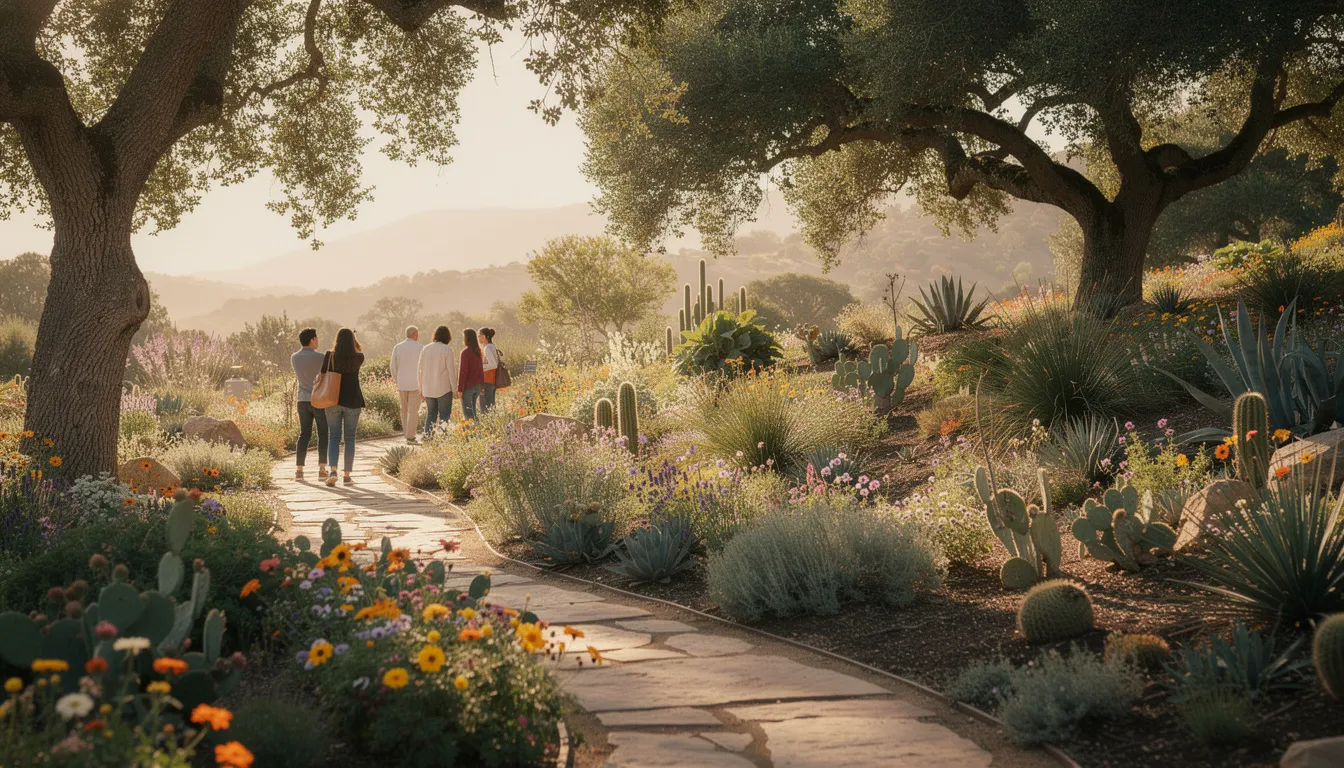
From spring wildflowers to sculptural succulents, the California Botanic Garden in Claremont invites you to slow down and look closer. With living collections spanning 86 acres and more than 22,000 specimens, it showcases California’s incredible plant diversity. Trails weave through desert, chaparral, and woodland habitats with interpretive stops that turn a stroll into a discovery. Come for the views, stay for conservation stories, hands-on learning, and everyday gardening inspiration.
💡 Keys Takeaways
- The garden hosts over 22,000 plant specimens from California and around the world.
- It features a variety of habitats including desert, chaparral, and woodland.
- The California Botanic Garden is committed to conservation and education.
About the California Botanic Garden
The California Botanic Garden is a living museum devoted to the plants of the Golden State. Set in Claremont at the foothills of the San Gabriel Mountains, it highlights native flora from coastal sage scrub to high desert. Expect immersive trails, shaded benches, and thoughtfully placed viewpoints where you can watch hummingbirds, butterflies, and lizards in their element. You won’t need to rush; the design encourages slow looking and deeper connection with place.
Beyond beauty, the garden serves as a powerhouse for conservation and learning. Staff botanists, horticulturists, and educators lead research, restoration, and public programs that turn curiosity into action. The California Botanic Garden partners with agencies and communities to safeguard rare species, maintain a seed bank, and share best practices for water-wise landscaping. If you love plants or simply want a peaceful day outside, you’ll find a lot to discover here.
History and Background
The garden traces its roots to 1927, when philanthropist Susanna Bixby Bryant founded the original Rancho Santa Ana Botanic Garden to celebrate and protect California’s native plants. What began as a visionary collection has grown into a statewide resource, with a mission that blends horticulture, science, and public education.
Decades of field work, plant collecting, and community engagement helped shape today’s institution and its expansive collections. A modern identity as the California Botanic Garden reflects that broader mission and reach, while honoring a legacy of stewardship that continues through research, a robust herbarium, and hands-on programs for all ages.
Key Features of the Garden
Every turn along the trails reveals a new micro-world. You might step from a sandy wash dotted with barrel cactus into a cool riparian corridor shaded by sycamores, then climb gently into oak woodland alive with birdsong. Clear signage tells the story of each habitat, and benches placed at natural overlooks encourage you to pause and listen.
The garden’s design balances display and discovery. Curated beds highlight drought-tolerant landscaping ideas for home gardens, while larger habitat areas show how communities of plants interact. Keep an eye out for interpretive panels on pollinators, fire ecology, and seed dispersal, and watch for seasonal blooms that shift the palette from winter greens to summer golds.
Plant Collections
With more than 22,000 specimens, the living collection is rich in both breadth and depth. You’ll find charismatic groups like manzanitas (Arctostaphylos), California lilacs (Ceanothus), buckwheats (Eriogonum), sages (Salvia), and oaks (Quercus), along with a striking assortment of succulents and cacti. Rare and endangered natives appear throughout, often accompanied by stories of their home ranges and ongoing recovery efforts.
Habitats are arranged to mirror nature, from desert to chaparral to woodland. In spring, wildflower displays pop with tidy tips and poppies, while fall showcases seed heads and the subtle color shift of native shrubs and grasses. Labels are easy to read, making it simple to note species you might try at home, and docents often share propagation tips during weekend strolls.
- Desert Garden: sculptural agaves, yuccas, and stout chollas glowing in late afternoon light.
- Chaparral and Coastal Sage Scrub: aromatic sages, buckwheats, and resilient shrubs adapted to dry summers.
- Oak Woodland: shady paths, acorn stories, and frequent woodpecker sightings.
- Pollinator Garden: nectar-rich perennials buzzing with native bees, butterflies, and hummingbirds.
Visiting the California Botanic Garden
Planning a visit is easy, and the experience is rewarding whether you have an hour or a full day. Mornings are calm and cool with active wildlife, while late afternoons offer warm light that makes photos glow. Spring brings peak bloom, winter delivers crisp air and clear views, and summer highlights drought-smart foliage textures. Comfortable shoes, sun protection, and a refillable water bottle are your best friends on the trails.
You’ll find on-site restrooms, a garden shop with regionally inspired gifts and plants, and shaded seating nooks that invite unhurried breaks. Strollers are welcome, and designated paths accommodate wheelchairs and mobility devices. Service animals are permitted; pets are typically not allowed to protect wildlife and sensitive plantings. Photographers and sketchers are common sights, especially around native blooms and sculptural branches.
Visitor Information
Hours can vary by season and special programming, with occasional evening openings in warmer months. Admission follows a general structure with discounted rates for seniors, students, and children, and free entry for members on most days. If you’re local or plan multiple visits, membership pays for itself quickly through unlimited admission and event discounts. Parking is adjacent to the entrance, and wayfinding maps are available at check-in.
- Hours: Typically open daily; check the day’s schedule at the entrance for any updates or evening access.
- Admission: General entry with discounted categories; members enjoy free or reduced admission to many programs.
- Accessibility: Paved and compacted pathways on key routes, accessible restrooms, and seating throughout the grounds.
- Amenities: Water stations, shaded picnic spots, and a shop featuring native plant books and garden-friendly gifts.
Tips for Visitors
- Arrive early for bird activity and cooler temperatures, or close to sunset for soft, photo-friendly light.
- Visit February to May for wildflowers; return in fall to see seed heads, fruits, and seasonal color shifts.
- Stay on marked trails to protect sensitive habitats and watch for cactus spines off-path.
- Bring a hand lens or use your phone’s macro mode to discover tiny blooms and leaf textures.
- Join a docent-led walk to learn plant ID, gardening tips, and conservation stories you won’t find on signs.
Events and Activities
The calendar at the California Botanic Garden blends celebration with learning. Expect seasonal plant sales, guided habitat walks, family-friendly discovery days, and hands-on workshops in topics like pruning, seed starting, and water-wise design. Many programs are led by staff experts who translate science into practical takeaways you can try at home.
Education is at the heart of the garden’s mission. School field trips cultivate curiosity in young naturalists, citizen science projects invite visitors to contribute observations, and evening talks bring researchers and storytellers together. Whether you’re new to native plants or deep into restoration work, you’ll find an activity that meets you where you are.
Upcoming Events
- Native Plant Sales: Seasonal shopping events with regionally appropriate perennials, shrubs, and trees, plus advice from horticulture staff.
- Wildflower Walks: Guided strolls during peak bloom that help you identify species and understand how weather shapes the season.
- Twilight Tours: After-hours access on select dates with cooler temps, golden light, and active pollinators.
- Hands-on Workshops: Seed collecting, propagation, pruning, and garden design sessions that send you home with skills and confidence.
- Family Discovery Days: Interactive stations, scavenger hunts, and craft tables that make botany fun for all ages.
Event offerings rotate with the seasons, so check the daily postings near the entrance when you arrive. If you become a member, you’ll often receive early registration options and discounts on popular programs, making it easier to secure a spot in high-demand activities.