Sand-swept trails, towering cacti, and wildlife adapted to extremes make The Living Desert Zoo Gardens a standout in the Palm Springs area. This immersive oasis blends a world-class zoo with expansive botanical gardens and wild hiking paths. Families come for close-up animal encounters and stay for the sweeping mountain views and hands-on learning. If you are looking for an experience that is as educational as it is unforgettable, this is the place.
💡 Keys Takeaways
- The Living Desert is home to over 450 animals representing more than 100 species.
- It spans over 1,200 acres of protected desert environment.
- The zoo emphasizes conservation and education on desert ecosystems.
About The Living Desert Zoo Gardens
Sitting at the edge of the Santa Rosa Mountains in Palm Desert, the living desert zoo gardens showcase the astonishing biodiversity of deserts around the world. You will move from African savannas to North American canyons and into fragrant botanical gardens in minutes, yet every habitat is designed to mirror the real-life conditions these species call home. That mix of conservation science and natural beauty is what keeps travelers returning year after year.
This conservation center spans 1,200+ acres of protected Coachella Valley landscape, with miles of pathways winding through native plant zones and themed gardens. Beyond classic exhibits, you will find quiet nature loops, scenic viewpoints, and seasonal trails that feel like true desert wilderness. It is a zoo that invites you to slow down, look closely, and learn how life survives in one of the planet’s toughest environments.
History of The Living Desert
The story began with local naturalists who wanted to protect fragile desert habitats and share their wonder with the public. What started as a small preserve grew into an AZA-accredited zoo and botanical garden known for immersive design and science-driven care. Over the decades, the living desert zoo gardens expanded with new habitats, research partnerships, and gardens that highlight cacti, succulents, agaves, and iconic desert trees.
Today, it blends the feel of a nature preserve with the engagement of a modern zoo. Signature areas celebrate African grasslands, North American deserts, and Australia-inspired spaces, while native plant gardens create vital wildlife corridors for birds, butterflies, and pollinators. The mission has remained consistent through every expansion phase: inspire people to care for deserts and protect them for future generations.
Wildlife and Conservation Efforts
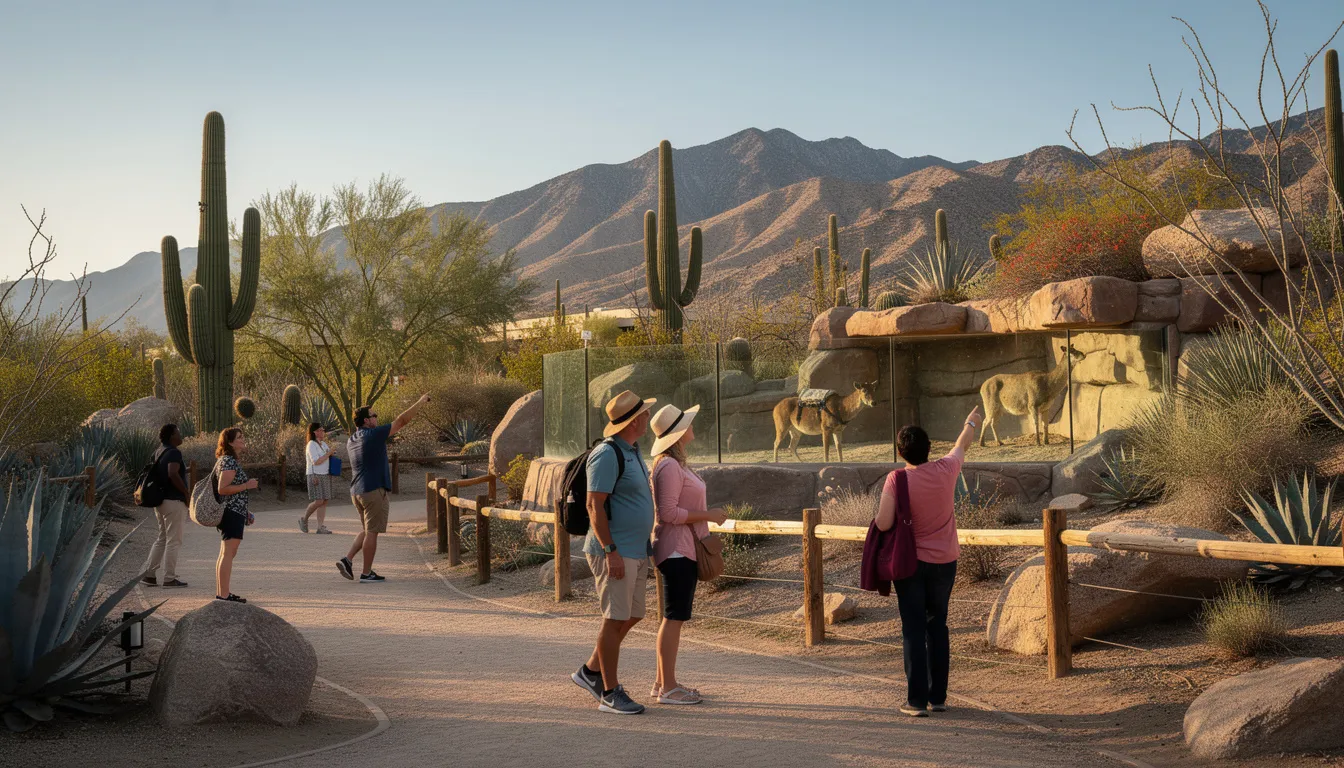
The animal collection is diverse and purposefully curated. The Living Desert is home to over 450 animals representing more than 100 species, from towering giraffes and nimble cheetahs to desert bighorn sheep, fennec foxes, and endangered reptiles. Every habitat is designed with animal welfare in mind, providing space, shade, enrichment, and terrain that mimic the real desert world.
Conservation is not a side project here. It is central to the daily work, from breeding programs that support genetic diversity to field partnerships that protect species in the wild. Staff collaborate on efforts to safeguard desert ecosystems, restore native habitats, and engage visitors in everyday actions that help. When you visit the living desert zoo gardens, you are directly supporting that ongoing conservation mission.
Species You Can See
- Giraffes stepping across an African savanna, often with opportunities to observe training or feeding demonstrations.
- Black rhinos in a spacious habitat that highlights the challenges these heavyweights face in the wild.
- Cheetahs resting in shaded lookouts and sprinting in short bursts at play, perfect for learning about speed adaptations.
- Desert bighorn sheep navigating rocky ledges that mirror the surrounding mountains.
- Meerkats, fennec foxes, and desert tortoises that showcase the small but mighty side of desert life.
Educational Programs Available
Education is woven into the experience through daily keeper chats, wildlife presentations, and interactive stations staffed by trained interpreters. Families can join guided tours, attend animal care talks, and learn how nutrition, enrichment, and medical training keep animals healthy. These moments bring you closer to the science of animal care without needing a biology degree.
Students and lifelong learners will find school field trips, youth camps, homeschool days, and on-site classes that connect classroom concepts to the real world. Many programs emphasize desert ecology, water conservation, and native species stewardship. The message is clear and empowering. Everyone can contribute to healthier deserts by making thoughtful choices at home and in their communities.
Visitor Information
Plan for a half day to a full day depending on your pace and interests. Mornings are cooler and often the most active time for animals, which makes early arrival a smart strategy. The layout is stroller friendly, with paved paths, shaded rest spots, and air-conditioned indoor spaces that offer a break from the sun. Dining options range from quick snacks to sit-down cafes, and drinking fountains or refill stations help you stay hydrated.
Hours vary with the seasons to prioritize animal welfare and visitor comfort. From fall through spring, the zoo typically operates a full daytime schedule, while summer brings earlier opening and earlier closing to beat the heat. Last entry is often set about an hour before closing, so check the current schedule before you go. General admission pricing typically scales by age, with discounted rates for children, seniors, and military, and free or reduced admission for very young children. Memberships pay for themselves quickly if you plan multiple visits and may include early entry or special event perks.
How to Get There
The Living Desert sits in Palm Desert, a short drive from downtown Palm Springs along Highway 111. The main entrance is off Portola Avenue, with clear signage leading you to the parking lots. Expect about 20 minutes by car from central Palm Springs depending on traffic and time of day. Rideshare drop-off zones are straightforward, and most local resorts can arrange transportation upon request.
On-site parking is typically convenient and close to the entrance, with plenty of space for families arriving with strollers or picnic gear. If you plan to visit during peak holidays or special events, arrive early to secure a prime spot. Many visitors pair a morning at the living desert zoo gardens with an afternoon by the pool or a sunset stroll through downtown Palm Springs.
Tips for Visiting
- Arrive at opening time for cooler temperatures and lively animal activity, then save shaded gardens for midday.
- Wear breathable layers, a wide-brimmed hat, and sunscreen. Bring a reusable bottle to use at refill stations.
- Check the daily schedule at the gate for keeper chats, feedings, and special presentations so you do not miss favorites.
- Choose sturdy, closed-toe shoes. Desert trails and sandy paths are more fun when your feet are happy.
- Plan a quiet break at a garden overlook or hummingbird-friendly planting to let kids (and adults) recharge.
Family-Friendly Activities
Bring the kids and plan to linger. Families love the hands-on learning woven throughout the park, from touchable biofacts in education stations to child-height viewing windows and crawl-through spaces at select exhibits. The expansive G-scale model train display is a crowd-pleaser for all ages, weaving miniature locomotives through tiny towns, bridges, and desert landscapes. It is an easy place to pause and watch the magic together.
Animal encounters are designed to be memorable and respectful. Giraffe feedings are often available for an additional fee and create an unforgettable moment, complete with long purple tongues gently taking lettuce from your hand. Seasonal programs and after-hours events add variety, with wildlife-themed lights displays and special experiences that transform the grounds after dark. Between engaging shows, shaded play spots, and photogenic gardens, the living desert zoo gardens offers a day that balances excitement with calm. If you have time, loop back to a favorite habitat in the late afternoon when temperatures drop and many animals perk up again.