Plan a stop in the Mojave Desert where science, history, and sweeping views meet. The Borax Visitor Center sits on the rim of a massive open-pit mine in Boron, California, turning geology into a hands-on story the whole family can enjoy. Expect interactive displays, a panoramic observation area, and friendly docents eager to share behind-the-scenes insights. With free admission and plenty of parking, it is an easy, memorable detour off Highway 58.
💡 Keys Takeaways
- The Borax Visitor Center is located in Boron, California.
- It features interactive exhibits on the history of borax mining.
- The center is open year-round and offers free admission.
The Borax Visitor Center is where desert scenery meets real-world mining innovation. Perched along the edge of one of the world’s largest borate mines, it gives you a front-row seat to an operation that powers everything from laundry soap to smartphone screens. Inside, vivid displays walk you through geology, chemistry, mining methods, and the people who shaped Boron.
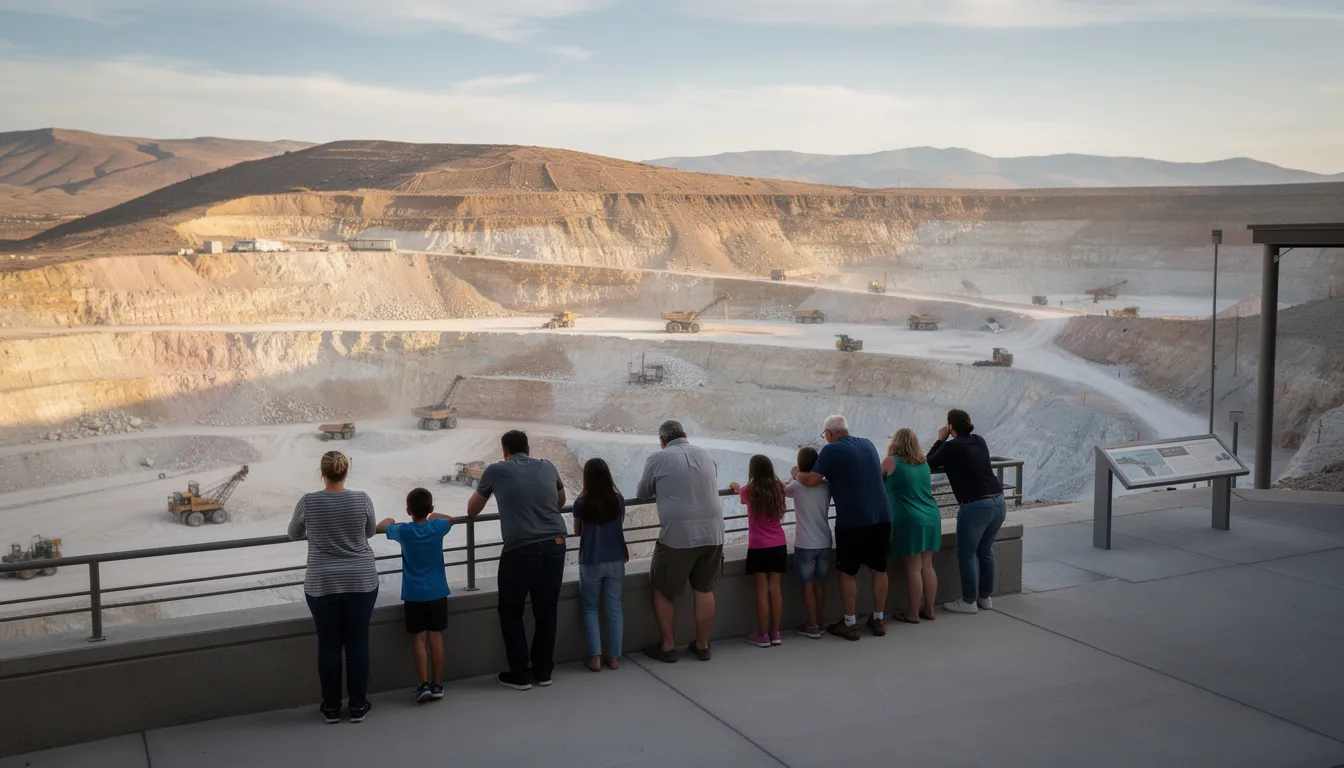
What makes this stop so special is how close you get to the story. Through tall windows and outdoor viewpoints, you can watch haul trucks crawl along terraced walls while exhibits explain what you are seeing in plain language. Whether you are road-tripping to the Sierras or exploring the Mojave, the Borax Visitor Center is a smart, low-stress break with plenty of payoff.
Expect a friendly, low-key atmosphere. Volunteers often share personal stories from decades on site, and families appreciate the tactile exhibits that turn complex processes into simple, touchable steps. With year-round hours and free admission, it is a practical stop that adds depth to any desert itinerary.
Location and Accessibility
The center sits in Boron, California, a small desert town just off Highway 58 between Barstow and Mojave. If you are driving east or west on 58, signs for Boron make it easy to peel off the highway and follow local roads up to the center’s hilltop location. The approach is paved, and the final drive gently climbs to wide parking areas with space for sedans, SUVs, and RVs.
Building access is straightforward. Entrances have ramps, exhibits are at eye level, and restrooms are ADA-friendly. The floor plan is simple and mostly on one level, which helps visitors who move at a slower pace or families with strollers. Seating nooks appear throughout the galleries, and the observation areas include railings for comfortable viewing.
Desert conditions shift quickly. Summer afternoons can be hot and windy, so bring water and a hat for the short walk between parking and the entrance. Cell service varies by carrier, which is another reason to screenshot directions before you roll off the highway. Morning visits often deliver gentler light on the mine walls, making photos a bit crisper.
What to Expect at the Visitor Center
Step inside and you will find a thoughtful, self-guided experience that starts with the story of borax and ends with a sweeping look at the mine. Most guests begin with a short introductory film. It sets the stage with the famous Twenty Mule Team legacy, then connects the past to modern operations you can see just outside.
The main galleries move you from geology to mining to everyday uses. Exhibits are tactile and visual, so kids and adults stay engaged. One display explains how borates strengthen glass. Another breaks down the life of a mine using scale models, cross-sections, and everyday language. When you reach the panoramic windows and outdoor decks, the scale hits home. Haul trucks the size of houses begin to look small inside the vast pit below.
Plan on spending 60 to 90 minutes for a relaxed walkthrough. If you like to read every panel and chat with docents, give it two hours. The small gift area stocks mineral samples, postcards, and local books that extend the learning at home. Snack and water options are limited, so bring your own bottle for the ride.
One moment visitors often mention is standing at the glass and watching the mine at work. The contrast between desert quiet and the choreography of trucks and shovels creates a sense of calm focus. It is the kind of view that makes you pause, zoom in with binoculars, and realize how much engineering it takes to extract a mineral you might sprinkle into the washing machine.
Exhibits and Activities
The Borax Visitor Center leans into hands-on learning, mixing kid-friendly interactives with deep-dive panels for curious adults. Highlights include:
- Geology corner that shows how borate deposits formed and why Boron became a hub for mining.
- Mining process displays that trace ore from blasting and loading to crushing and refining.
- Heritage exhibits featuring the iconic Twenty Mule Team wagons and stories from the early days.
- Environmental stewardship panels that explain land restoration, water use, and dust control.
- Observation decks and large viewing windows for real-time looks at the open-pit operation.
For families, a simple scavenger-style checklist can turn the visit into a game. Find the biggest tire, spot a shovel at work, identify a borate crystal, and check off the safety gear displayed in the galleries. Bring lightweight binoculars for the windows. You will be surprised how much activity appears when you look closely at the benches and switchbacks carved into the pit.
If you enjoy photography, go for layered shots that include foreground rock or exhibit signage to give scale to the mine behind it. Glare can be strong mid-day, so step to the sides of the windows to cut reflections. Staff are used to questions and often share camera-friendly angles near the observation areas.
History of Borax and Its Importance
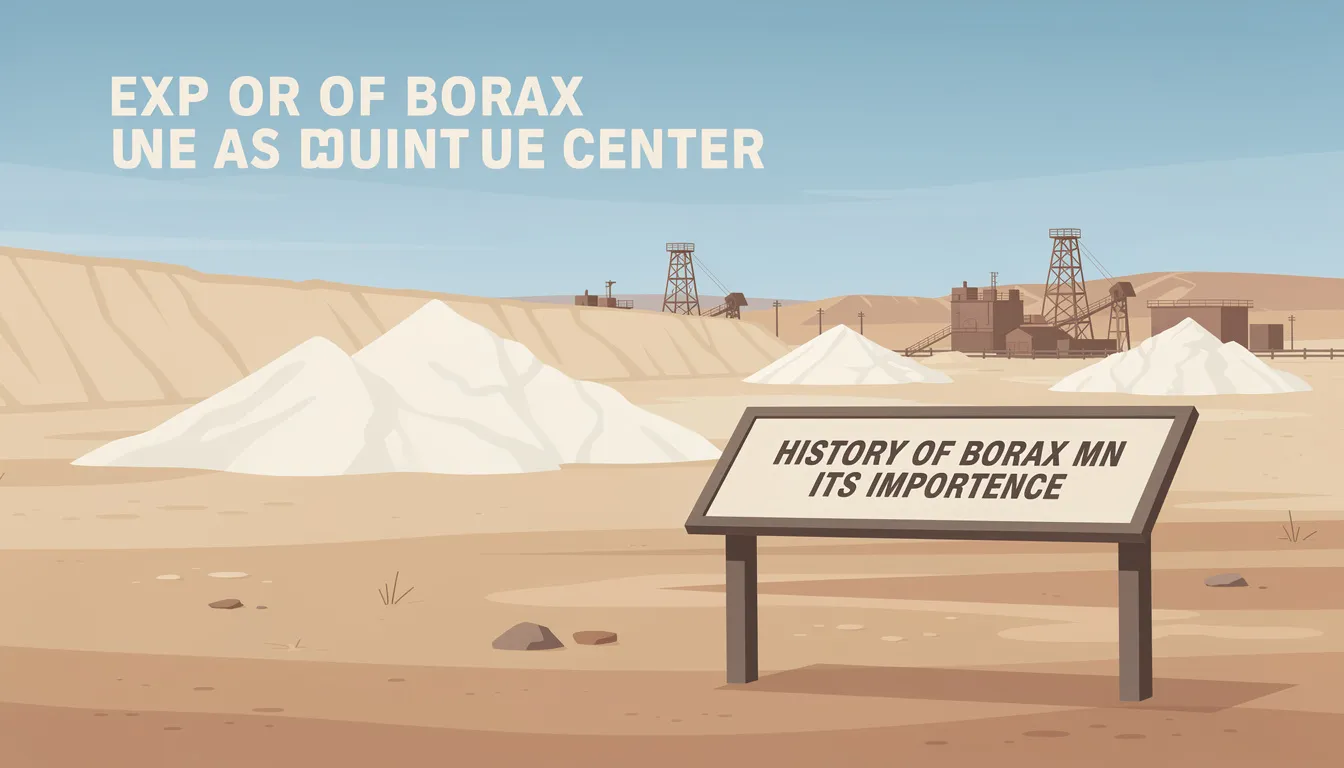
Borax is a naturally occurring mineral salt, often called sodium borate, that shows up in dry lakebeds and ancient seabed deposits. People found uses for it long before modern industry, especially for cleaning and preserving. In the American West, rich deposits turned borax into a defining resource, linking remote valleys to ports and markets far beyond the desert.
Late nineteenth-century operations in Death Valley made the mineral famous. The solution to getting borax out of the desert was both practical and legendary. Teams of strong mules pulled heavy wagons across rough country to the railhead. Those Twenty Mule Team wagons became an American symbol of tough, coordinated work, and the brand that grew around them still appears on store shelves today.
As the industry matured, attention shifted to the Boron area, where large, high-quality deposits could be mined at scale. Innovations in geology, surveying, and equipment allowed miners to move more material with less waste. That progress eventually led to the huge open-pit operation you see from the Borax Visitor Center, a site that anchors the local economy and supports jobs across the region.
Why does borax matter today? Look around your home and you will find quiet contributions. Borates help make glass and fiberglass stronger and more heat resistant. They assist in the production of ceramics and enamel glazes. In detergents, borax softens water and boosts cleaning power, which is why a small scoop in a laundry load can make a difference. Agriculture, fire retardants, and electronics manufacturing also rely on these minerals, showing how a desert deposit can echo through everyday life.
Modern mining operations invest in safety and environmental controls that earlier generations did not have. At the visitor center, exhibit panels describe how teams monitor air quality, manage water carefully, and restore land after sections are mined. You will see examples of native plants coming back on reclaimed slopes and learn how careful blasting and dust control keep neighboring communities more comfortable.
The human story is just as compelling. Photos and oral histories spotlight the people who built Boron, from mechanics and engineers to teachers and shop owners who made a life here. That mix of science, grit, and community shines through every room, giving the high-tech operation a human heartbeat that visitors remember long after they drive away.
Tips for Visiting the Borax Visitor Center
As a desert stop, the center rewards a little preparation. Check the day’s hours before you set out, since holiday schedules can shift. The Borax Visitor Center offers free admission and welcomes visitors year-round, so you can fit it into winter ski routes or summer national park circuits with equal ease. Mid-morning usually balances cool temperatures with good light on the mine walls.
Parking is plentiful, and the layout works for cars towing trailers or small RVs. Restrooms are inside. Food options in Boron are limited, so plan snacks and water ahead, then refuel in Mojave, Barstow, or Tehachapi depending on your route. If you are traveling with kids, preview the idea of “look, then learn.” Start with the big window view to grab attention before circling back to the panels that explain what they just saw.