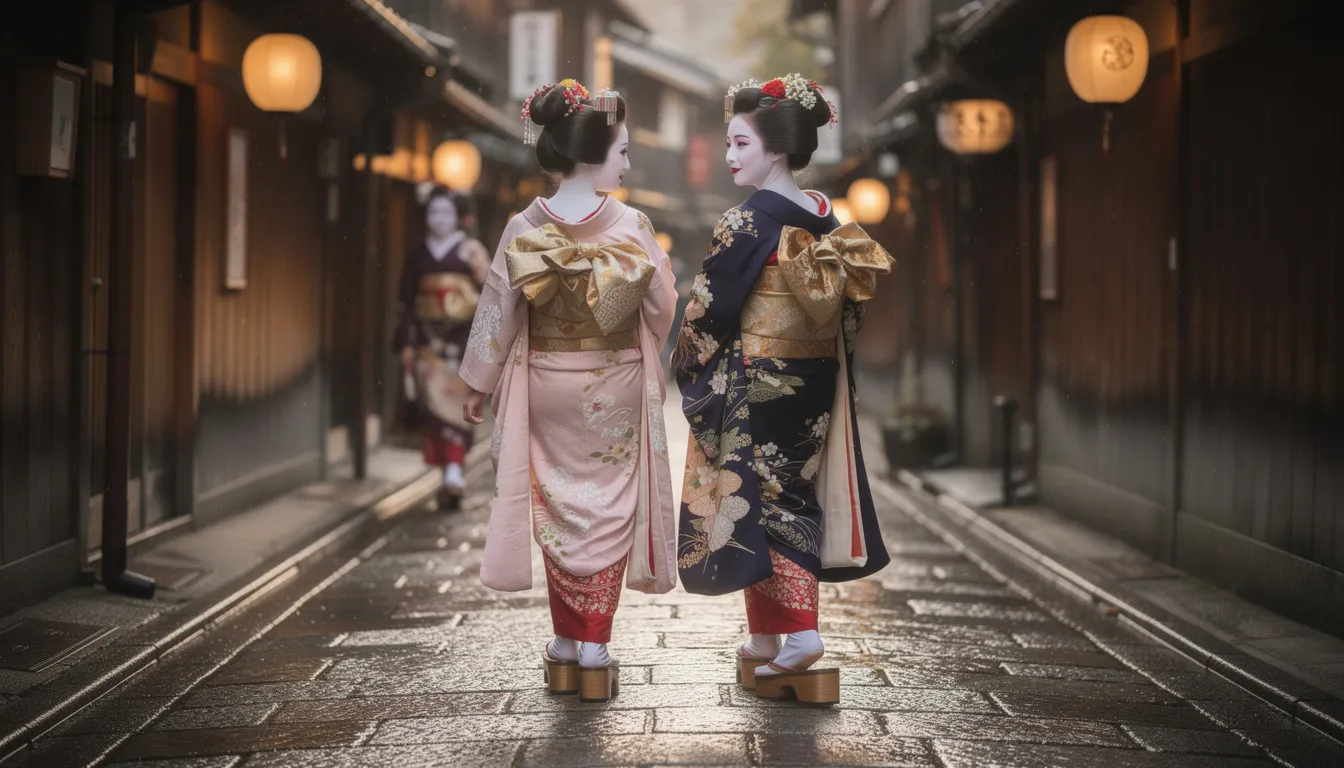
Kyoto’s lantern-lit alleys still glow with a living tradition of elegance, discipline, and art. Step into this world and you discover performers who dedicate years to mastering grace in motion and music. The world of kyoto japan geisha is not a relic, it thrives in select neighborhoods, at precise hours, with time-honored rituals. This guide blends cultural insight with practical advice so you can experience it with respect.
💡 Key Takeaways
- There are approximately 1,000 Geisha in Kyoto today.
- The Geisha profession dates back over 300 years in Japan.
- Geisha are skilled in traditional Japanese arts, including music and dance.
In Kyoto, professional entertainers trained in traditional arts are known as geiko, the local term for geisha. Their lineage runs for over 300 years, rooted in tea-house culture where refined conversation, dance, music, and etiquette were prized. Rather than celebrity, their goal is artistry and hospitality, delivered in intimate settings where subtleties matter.
Today Kyoto’s geiko and their apprentices live and work in five historic districts known as hanamachi: Gion Kobu, Miyagawacho, Pontocho, Kamishichiken, and Gion Higashi. There are approximately 1,000 practicing geiko and maiko in Kyoto, and the number shifts seasonally as apprentices debut or retire. When travelers say “kyoto japan geisha,” they often picture these neighborhoods at dusk, when appointments quietly begin.
Understanding Geisha and Maiko
Kyoto distinguishes between geiko and maiko. Geiko are fully qualified professionals, typically with years of training behind them. Maiko are apprentices who study daily while performing select engagements to develop skills in dance, shamisen, singing, the tea ceremony, calligraphy, flower arranging, and the art of conversation.
You can usually tell them apart by attire and styling. Maiko wear their own elaborate hairstyles adorned with seasonal hairpins, vibrant long-sleeved kimono, and an obi that drapes long at the back. Early in apprenticeship, a maiko often paints only the lower lip, a detail keen-eyed observers notice. Geiko favor more subdued kimono, a sophisticated wig, and simpler ornaments that signal maturity. If you glimpse a performer in Gion and wonder whether she is a maiko or a geiko, these visual cues help, and so does context, since many kyoto japan geisha appointments begin around early evening.
The Life of a Geisha
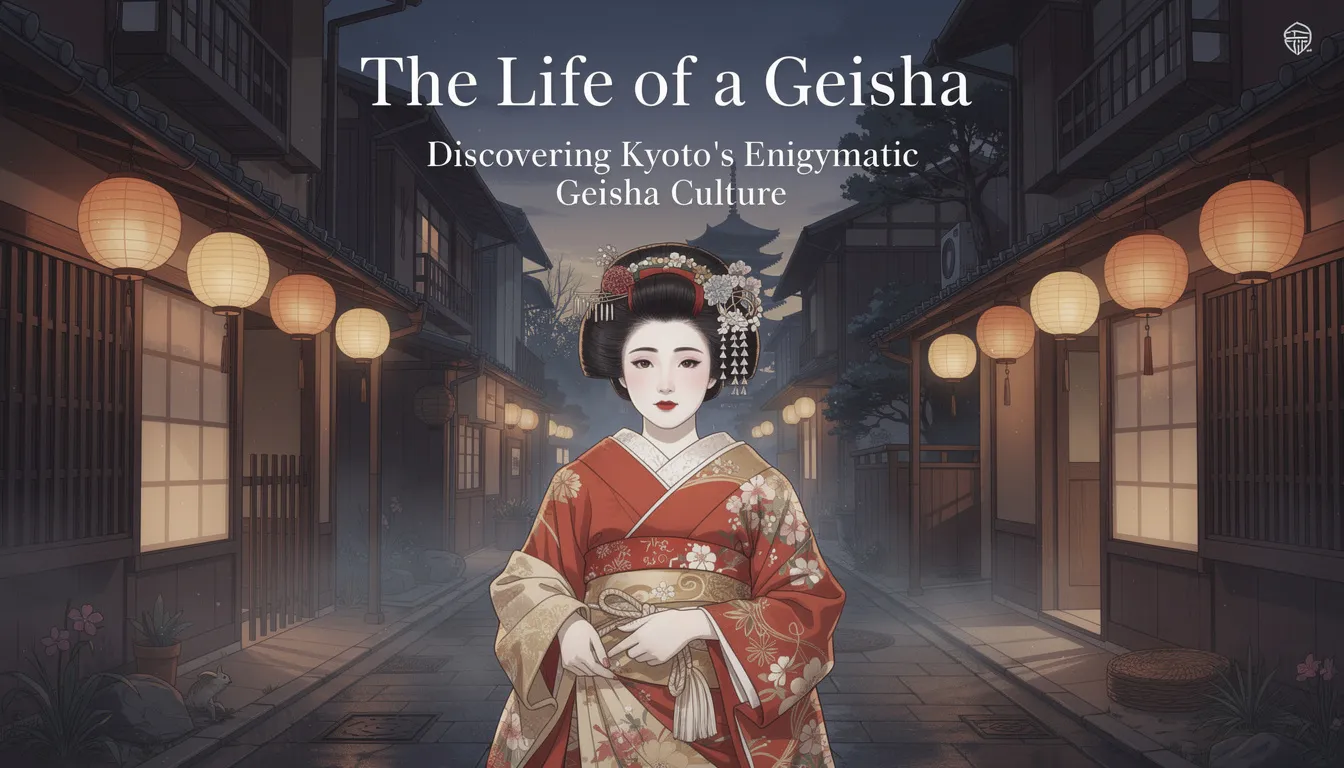
The path to becoming a geiko is structured and demanding. Many begin as live-in trainees at an okiya, the geisha house that provides lodging, mentorship, and management. A newcomer first completes household duties while taking rigorous lessons. She then steps into a brief observation period known as minarai, learns by watching at real engagements, and finally debuts as a maiko. Years of practice culminate in the turning-of-the-collar ceremony, or erikae, which marks the transition from maiko to geiko.
Training covers classical dance, shamisen, drum, song, tea ceremony, poetry, regional dialect, history, and refined social skills. Days are filled with lessons, fittings, and rehearsals, while evenings bring private banquets called ozashiki where geiko and maiko perform, converse, and host games that spark laughter without breaking decorum. “Practice never ends, even after we become geiko,” a Kyoto geiko said during a public cultural talk, highlighting that mastery is a journey, not a finish line. Becoming a kyoto japan geisha means navigating both artistry and business, from scheduling to personal branding, while nurturing long-term relationships with patrons and teahouses.
Traditional Roles and Responsibilities
The craft blends preservation, performance, and hospitality. These are the pillars you’ll see in action:
- Preserving Kyoto’s classical arts through daily lessons and seasonal stage productions.
- Hosting ozashiki in tea houses, performing dance and music while guiding conversation with poise.
- Participating in district festivals and public dance programs that share the tradition with wider audiences.
- Upholding etiquette, from wardrobe protocols to greeting rituals that honor seniority and guests.
- Mentoring younger maiko, passing on repertoire and values that keep the hanamachi strong.
Experiencing Geisha Culture
Visitors have several respectful avenues to encounter the tradition. The most accessible option is to attend public dance performances presented by each district during specific seasons. Names to look for include Miyako Odori, Kyo Odori, Gion Odori, Kamogawa Odori, and Kitano Odori, where ensembles showcase regional dance, shamisen, and song on stage. Ticket prices vary, often starting around 3,000 to 6,000 JPY depending on seating and extras like tea service.
Private tea-house banquets are harder to access because many ochaya accept clients by introduction only. Some high-end hotels, licensed guides, or cultural programs can arrange limited, transparent experiences that follow community rules. Expect premium rates, since an evening with multiple performers, a full kaiseki meal, and room service fees can exceed 50,000 JPY for small groups. Choose operators who prioritize etiquette and fair compensation, and remember that the appeal of kyoto japan geisha culture lies in subtlety, not spectacle.