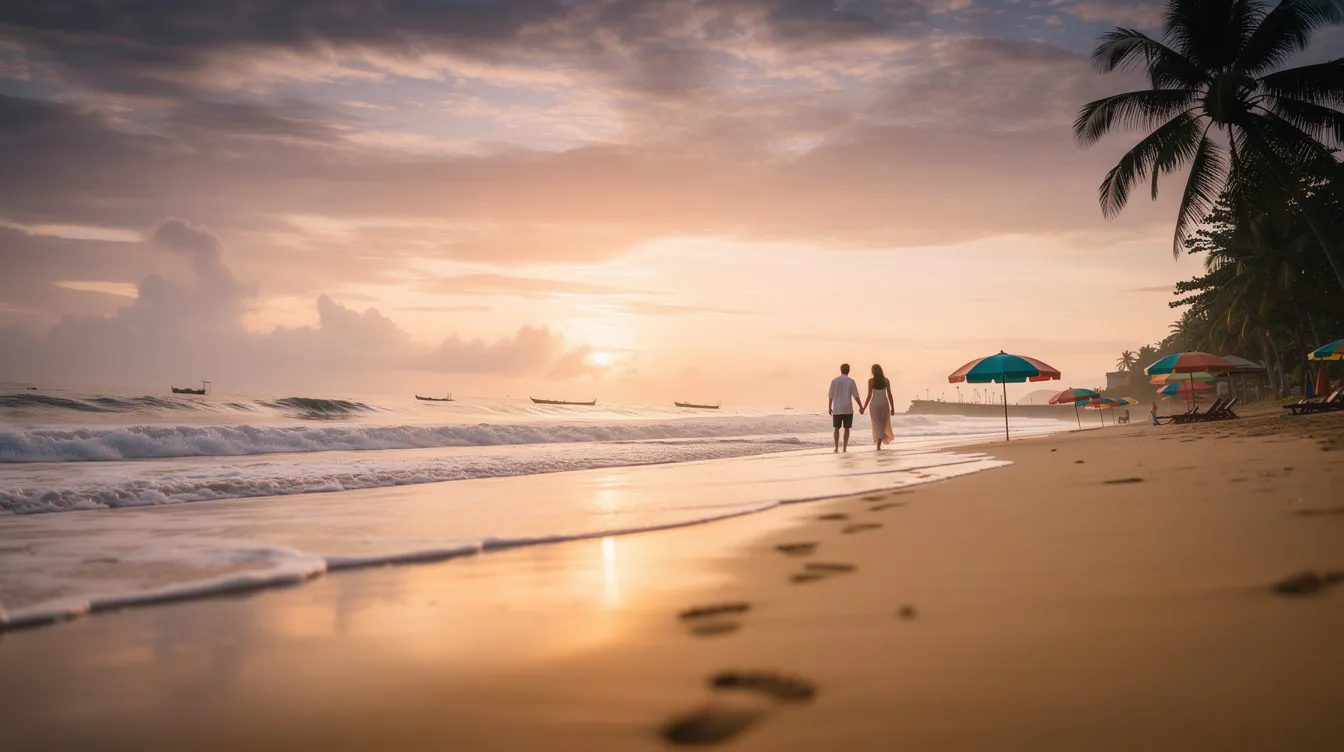
Jagged limestone peaks, turquoise lagoons, and a mellow island rhythm make Kopipi feel like the Thailand you dream about. Skip the crowd-heavy main routes and you will find quiet coves, local-run eateries, and water so clear you can count the fish from the boat. This guide spotlights the lesser-known corners and smarter ways to explore kopipi island thailand, with practical tips to help you do it right the first time.
💡 Key Takeaways
- Kopipi Island is part of the Phi Phi Islands, known for their stunning beaches and vibrant marine life.
- The best time to visit is during the dry season from November to April.
- Kopipi Island offers unique snorkeling and diving opportunities with diverse coral reefs.
Kopipi Island belongs to Thailand’s famed Phi Phi archipelago in the Andaman Sea, between Phuket and Krabi. It is composed of two main islands: lively Phi Phi Don, where people stay, and dramatic Phi Phi Leh, the uninhabited stunner with Maya Bay and sheer limestone walls. Many travelers know the headlines, but the real magic hides in small beaches, narrow jungle paths, and quiet reefs where parrotfish and anemonefish shimmer in the light.
Historically a fishing community, Phi Phi became a backpacker hub in the 1980s, then rebuilt with a stronger eco-focus after the 2004 tsunami. Today you will find a mix of bamboo bungalows, chic beach resorts, and family guesthouses. The weather is best in the November to April dry season. From Phuket or Krabi, you can be on the island in roughly 45 to 90 minutes depending on boat type and sea conditions.
Getting to Kopipi Island
Regular ferries run from Phuket’s Rassada Pier and Krabi’s Klong Jilad Pier, with additional departures from Ao Nang and Railay. Ferries take around 1.5 to 2 hours and arrive at Tonsai Pier, the island’s main arrival point. Speedboats cut the time to 45 to 60 minutes and are ideal if you are short on time or want to beat the midday heat.
Buy tickets at official counters at the pier or through your hotel the day before. If you are prone to seasickness, aim for a morning crossing when the sea is calmer and choose a seat outside for fresh air. On arrival, porters with carts can help with luggage for a small tip, which is handy if your accommodation sits up the hill or across the isthmus at Loh Dalum.
Top Attractions on Kopipi Island
What draws many travelers is the dreamy scenery around Phi Phi Leh, but staying on Phi Phi Don lets you discover quieter pockets that few day-trippers ever see. Sunrise and late afternoon are your friends, especially if you plan to visit iconic sites when boat traffic thins and the cliffs go golden.
Beyond the superstar bays, look for little beaches tucked along the north coast and off-the-beaten-path snorkel spots. If you keep your schedule flexible, boat captains can shift to clearer water or calmer coves, which is often how you find the best color and visibility.
Must-See Sights
- Maya Bay on Phi Phi Leh, now managed with limited access. Go as early as possible for soft light and fewer people, and respect the shoreline protections.
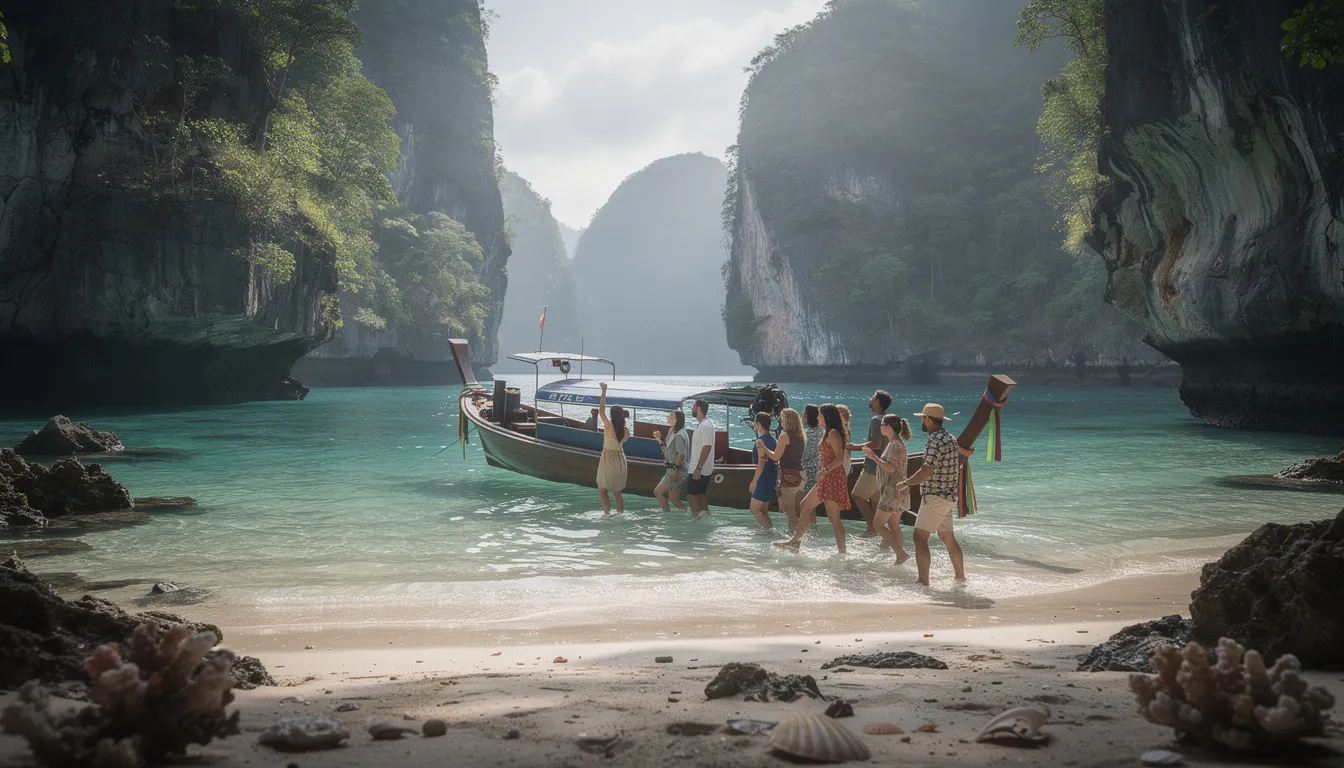
- Pileh Lagoon, a jade-green basin encircled by cliffs. Swim at slack tide for the gentlest water and best photos.
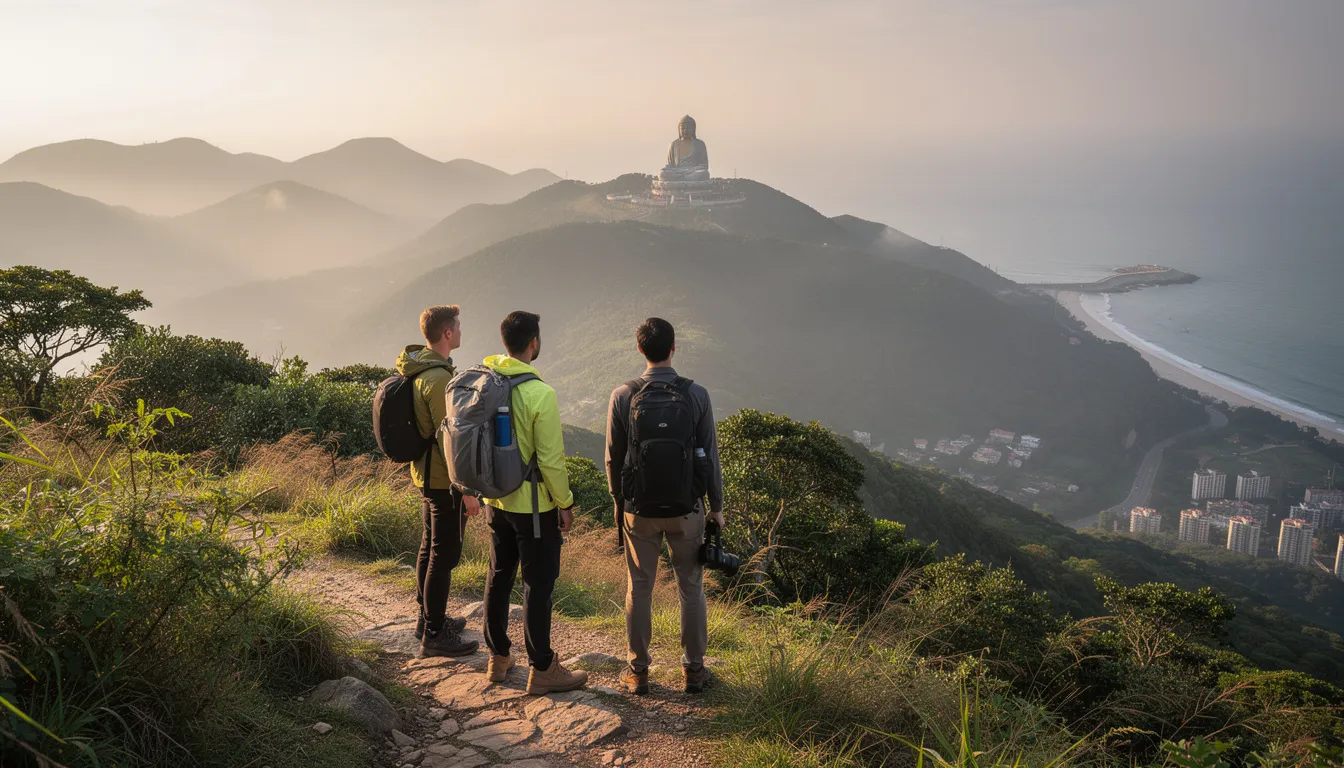
- Phi Phi Viewpoints 1, 2, and 3. Aim for sunrise for a quiet climb and cooler temperatures.
- Nui Beach and Wang Long Bay, petite coves ideal for snorkeling when the sea is calm. Ask a longtail boatman to time your visit with the tide.
- Bamboo Island, a powdery-white beach ringed by clear water and corals. Pack snacks and shade if you plan to linger.
Best Activities to Enjoy

Kopipi is an outdoor playground. Snorkeling is superb around Phi Phi Leh, Bamboo Island, and reefs like Hin Klang. The coral gardens are home to butterflyfish, blue-spotted rays, and curious clownfish. If you want a private feel, hire a longtail early, chart a loop that avoids the standard tour circuit, and bring reef-safe sunscreen.
Divers rate the area highly for good reason. Sites like Bida Nok, Bida Nai, and Shark Point often deliver barracuda schools, turtles, and occasional blacktip reef sharks. Local operators cater to first-time and certified divers alike, and many also run sunset plankton trips where the water sparkles around you at night.
Outdoor Adventures
- Hire a private longtail boat for a half day to customize your route. Expect around 1,800–2,800 THB depending on hours and stops, and confirm fuel and park fees in advance.
- Go scuba diving. Two-tank fun dives usually run about 3,500–4,500 THB including gear, captain, and guide. Non-divers can try a Discover Scuba course in calm bays.
- Kayak from Loh Dalum to Nui Bay or Monkey Beach. Start with the tide in your favor and bring water shoes for rocky entries.
- Hike the jungle paths to Viewpoint 3. Carry at least 1 liter of water per person and start before mid-morning heat.
- Join a beach cleanup. Several shops organize quick sessions that leave the sand pristine and get you local tips in return.
Where to Stay on Kopipi Island
Choosing the right base changes your whole experience. Tonsai Village is central and walkable, with easy access to ferries, dive shops, and eateries. It is lively at night, so bring earplugs if you are a light sleeper. Loh Dalum on the opposite side of the isthmus has party energy along the beach, while Long Beach offers sea views and torch-lit dinners with a short longtail ride back to the pier.
Head north for tranquility. Loh Bagao Bay mixes family resorts with palm-fringed paths and fewer crowds. Laem Tong Beach at the far northeastern tip is the quietest zone, with glassy mornings and easy runs to Bamboo Island. During peak months from December to February, book early and plan around boats, tides, and walking times to your hotel.
Accommodation Options
- Budget hostels and fan rooms in Tonsai Village, perfect if you want cafes, dive shops, and late-night food at your doorstep. Dorms can start near 300–500 THB in low season.
- Mid-range bungalows at Long Beach or Loh Bagao, often with hillside views and beach access. Expect around 2,000–4,000 THB for air-con and breakfast.
- Upscale stays at Laem Tong, where peace and privacy are the draw. Nightly rates commonly exceed 6,000 THB in high season with sea-facing rooms.
- Eco-lodges tucked into the hills, focusing on natural ventilation, solar power, and minimal footprint. These are great for travelers who prioritize sustainability and quiet.
For a smoother arrival, message your hotel to confirm walking directions or longtail transfers from Tonsai Pier, especially if you are arriving close to sunset. Paths are well signed, yet a short boat hop can save time in heat or rain.
Travel Tips for Visiting
The best weather window for kopipi island thailand is the dry season from November to April, when seas are calm and visibility improves for snorkeling and diving. The green season from May to October has fewer visitors and greener hills, but expect intermittent rain and occasional choppy crossings. Flexible plans help you pivot between bays that have clearer water on any given day.
Bring cash for boats, small eateries, and national park fees. ATMs are available near Tonsai, though outages happen during busy weeks. Be mindful of conservation rules, especially around Maya Bay where shoreline access is controlled to protect corals and seagrass. Do not touch or stand on coral, and choose reef-safe sunscreen to keep the water chemistry healthy.