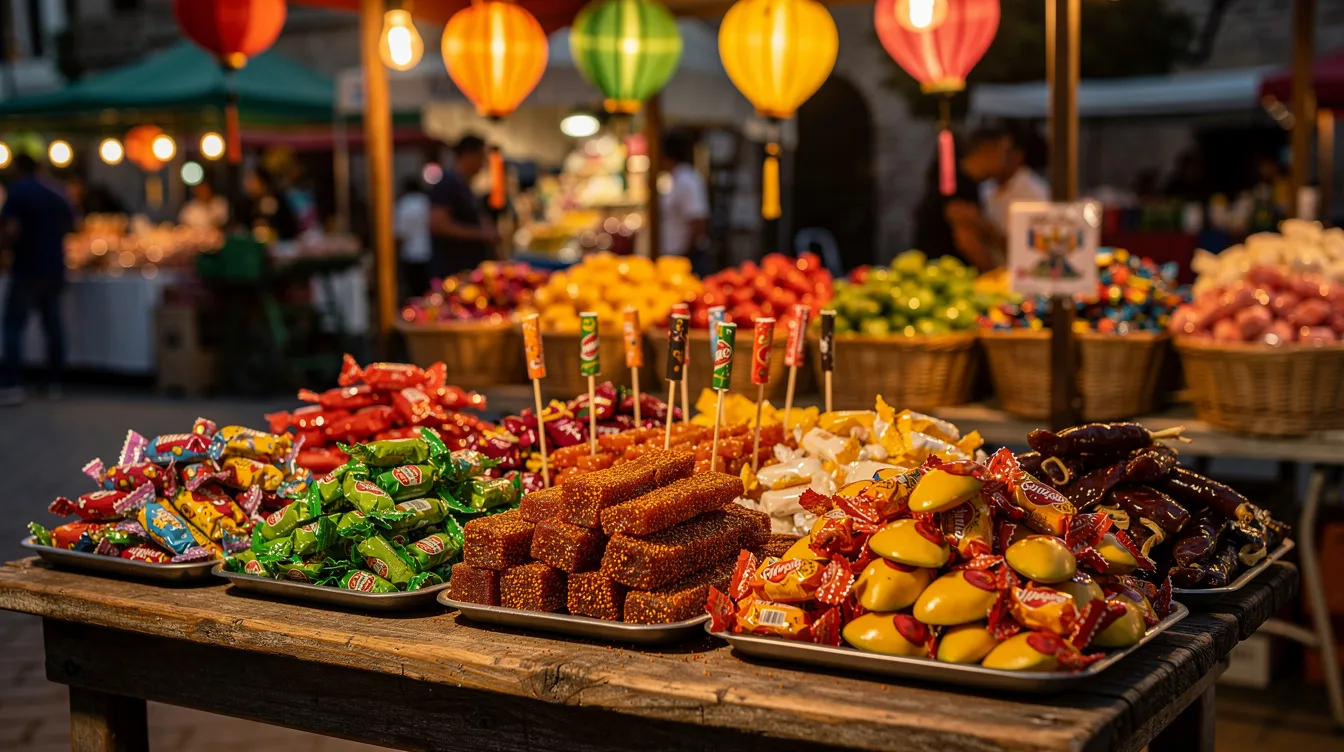
Craving a candy adventure that goes way beyond chocolate bars and gummy bears? Mexican sweets deliver a thrilling mix of sweet, sour, salty, and spicy that wakes up your palate. From tamarind-laced treats to chili-dusted lollipops, each bite packs personality and history. If you’ve been wondering where to start with the best mexican candy, this guide shares what makes these confections unique, my top 10 must-tries, and smart tips for finding them in the U.S. and Mexico.
💡 Key Takeaways
- Mexican candy often includes tamarind and chili, distinguishing it from other sweets.
- De La Rosa Mazapan and Pulparindo are top favorites among consumers.
- Mexican candy has cultural roots that celebrate festivals and traditions.
What Makes Mexican Candy Unique?
Mexican candy is all about balance and contrast. Instead of leaning purely sweet, many classics blend fruit acids with heat and salt for a layered, mouthwatering experience. You’ll taste bright lime, earthy tamarind, prickly heat from chili, and occasionally a whisper of salt that makes everything pop. That interplay keeps you reaching for the next bite because each nibble shifts on your tongue.
Texture variety also sets these treats apart. You’ll find crumbly marzipans, sticky tamarind pastes, chewy marshmallow-jelly bars, crunchy amaranth squares, and feather-light obleas that melt into caramel. Even modern candies keep that same spirit of surprise, whether it’s a squeeze bottle, a chili-dusted pop, or a layered lollipop you experience over several minutes.
Sweet and Spicy Combinations
One signature profile pairs tart fruits with chili heat. Think mango, watermelon, and tamarind dusted in a chile-limón blend, or fruit pulps perked up with a pinch of salt. That trifecta of sweet, sour, and spicy mirrors the flavors of street snacks like fruit cups sprinkled with chili powder. When I taste these, I look for balance: I love a gentle warmth that lets the fruit lead, rather than a firestorm that buries the flavor.
Interactive Candies and Their Appeal
Many favorites are meant to be played with. You’ll squeeze, dip, lick, or scrape to access layers of flavor and texture. The fun is built in: a push-top tamarind gel that comes out like spaghetti, a lollipop that transforms as chili layers dissolve, or a dip-and-lick setup that lets you control the heat. This “choose your intensity” interactivity makes the treats great to share and turns snacking into a mini ritual.
Popular Brands and Their Specialties
Well-known names bring instantly recognizable signatures. De La Rosa nails crumbly, peanut-rich marzipan. Vero is beloved for chili-coated lollipops that hit sweet, salty, and spicy. Lucas popularized pocket-size powder and gel candies that you sprinkle or squeeze. Pelon embraces push-top tamarind pulp with a tangy kick. You’ll also find regional classics from artisan producers, especially around traditional sweets like coconut, cajeta, and amaranth.
As you explore, keep an eye out for real fruit flavors, a touch of salt, and the savory-tart zing of chamoy. Those hallmarks point you toward the best mexican candy experiences.
Top 10 Mexican Candies You Must Try
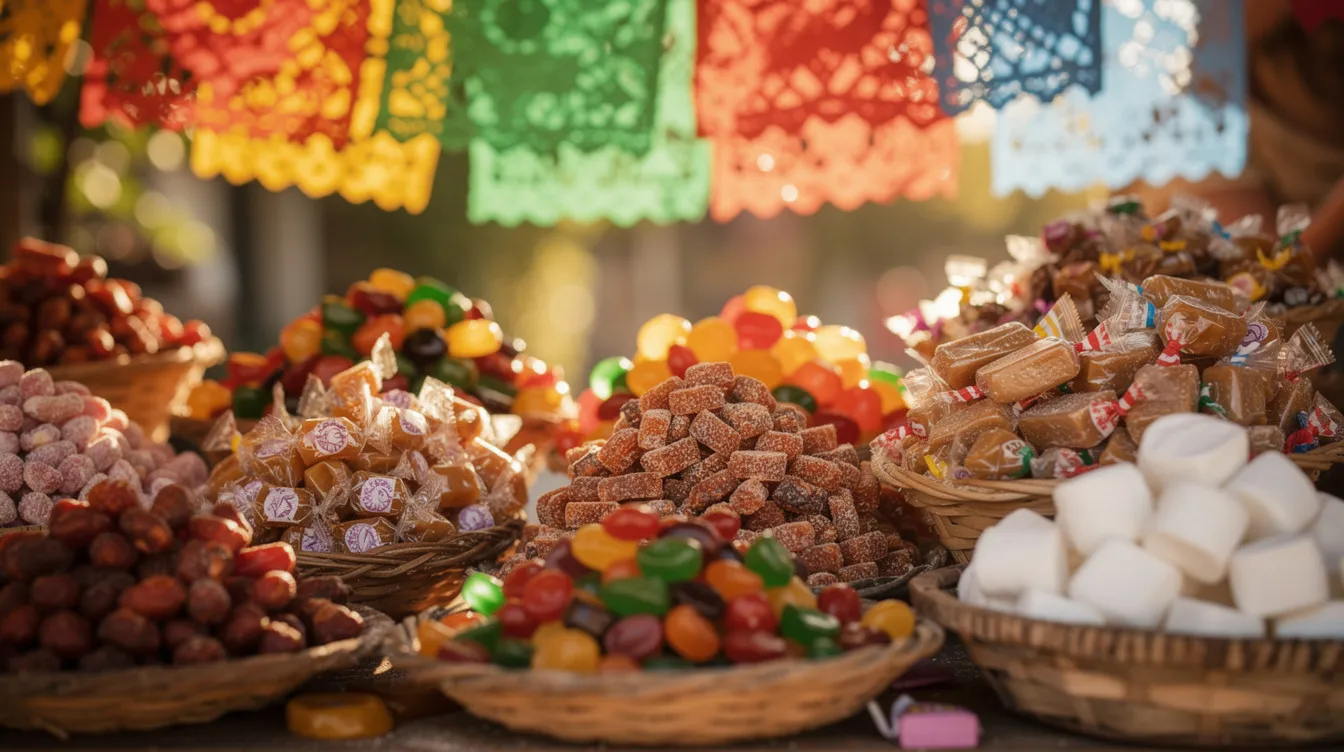
Ready to taste your way through a true classic lineup? This curated top 10 blends household names with nostalgic street favorites. I include quick tasting notes and serving ideas so you can match candies to your mood, whether you prefer gentle sweetness or a chili-forward thrill.
If you’re new to the category, start with the gentler options, then climb the heat ladder. I often pair spicy picks with a neutral snack or a sip of milk to reset the palate and keep flavors bright.
1. De La Rosa Mazapán: Crumbly peanut marzipan that melts into a sweet, nutty cloud. Tasting notes: silky, lightly roasted peanut, just enough sugar to feel decadent. Tip: chill slightly before unwrapping to reduce breakage, and sandwich slices between obleas for a delicate crunch.
2. Pulparindo: Tamarind pulp bars with salt and chili. Tasting notes: tangy-sour start, gentle heat that lingers, chewy-dense texture. I like the extra spicy variety when I want more kick and the mango version for fruity brightness. Pro move: dice and sprinkle over sliced pineapple or oranges for a quick snack.
3. Pelon Pelo Rico: Push-top tamarind gel extruded into fun strands. Tasting notes: jammy tartness with a savory edge, medium spice. It’s great on its own or drizzled over fruit. I squeeze some onto apple slices with a pinch of salt for a quick, craveable bite.
4. Vero Mango (or Rebanaditas): A lollipop with a chili-salty coating over a sweet fruit center. Tasting notes: initial heat and salt, then juicy mango candy sweetness. Let the outer layer soften slowly to enjoy the shift. I like pairing it with sparkling water to cleanse the palate between licks.
5. Duvalín: A swirl of creamy hazelnut, vanilla, and sometimes strawberry you eat with a tiny paddle. Tasting notes: velvety, Nutella-adjacent with a milky finish. It’s comfort in a cup. I chill it for a firmer texture or spread it on graham crackers for a playful dessert.
6. Rellerindos: Hard tamarind candies with a soft, tangy center. Tasting notes: crisp shell gives way to a zingy core, mild heat. The texture contrast is the star here. I keep these for car rides because they’re long-lasting and satisfy a sweet-sour craving.
7. Cucharita de Tamarindo: Tamarind paste served on a mini spoon. Tasting notes: concentrated sweet-tart with a dusting of chili. It’s like a single-serve gourmet bite. I garnish cocktail rims with a bit of the paste and a squeeze of lime for a fun twist.
8. Obleas con Cajeta: Paper-thin wafers sandwiching goat’s milk caramel. Tasting notes: light crispness against rich, toasty caramel with a subtle tang. If you like alfajores, you’ll love these. Tip: warm the oblea slightly in your hands to soften the caramel and bring out aroma.
9. Rockaleta: A multi-layered lollipop with alternating spicy and sweet shells and a gum center. Tasting notes: flavor ride from heat to sweetness, repeat. Each layer reveals a different mood. I treat it like a time-out candy for long walks; it’s entertaining and satisfying.
10. Bubu Lubu: Marshmallow and strawberry jelly coated in chocolate. Tasting notes: fluffy, playful, and nostalgic with a fruity center. Try it frozen for a snappier shell and chewier middle. It’s a reliable crowd-pleaser if you’re easing into Mexican sweets.
These ten are a perfect entry point to the best mexican candy, but the journey doesn’t stop there. When you’re ready, explore coconut cocadas, amaranth alegrías, spicy gummies with chamoy, and regionally made cajeta candies. Rotate between spicy-tart and creamy to keep your palate fresh and curious.
Where to Buy Mexican Candy
In the U.S., start at your neighborhood Latin market or the Hispanic aisle of larger grocery chains. Many cities also have dedicated shops called a dulcería that stock both classics and seasonal specialties. Convenience stores in Latino neighborhoods often carry single-serve favorites near the checkout. If you prefer to shop online, look for reputable U.S.-based importers and official brand stores to avoid stale or knockoff products.
In Mexico, you’ll find a treasure trove in traditional markets like a local mercado, at tianguis (open-air markets), and in historic dulcerías. Ask vendors for regional specialties; for example, cajeta-based treats are proudly sold in central Mexico, while coastal towns feature coconut-heavy cocadas. If you’re traveling, pick up factory-sealed packs to protect delicate items like obleas during your flight home.
- Check ingredient lists for real fruit, tamarind, and chili; avoid vague “artificial flavor” as the first descriptor.
- Buy small assortments first to discover your heat tolerance and favorite textures.
- Store delicate items like obleas and mazapán in a cool, dry place to prevent cracking or melting.
- In hot weather, choose faster shipping or insulated packaging to keep chocolates and jellies intact.
If you’re hunting for gifts, choose mixed boxes that include at least one creamy option, one chili-forward lollipop, and one tamarind pick. That balance introduces newcomers to the spectrum that defines the best mexican candy while keeping every palate engaged.
The Cultural Significance of Mexican Candy
Beyond flavor, Mexican candy carries memory, ritual, and celebration. Sweets show up at birthdays, school events, family gatherings, and religious festivals, often shared from colorful piñatas and party favor bags. Candy isn’t just a treat; it’s a connector that spans generations and places.
During Día de Muertos, families honor loved ones with ofrendas that sometimes include favorite candies alongside pan de muerto, marigolds, and sugar skulls. Winter posadas bring caroling, warm punch, and bags of seasonal treats handed to children after the procession. At spring fairs and town festivals, vendors stack vibrant displays of cocadas, alegrías, and candied fruits, turning sweets into edible souvenirs of place and season.
Even the design of many candies reflects a playful, communal spirit. A chili-coated lollipop is made to be savored and shared, a tamarind spoon invites a moment of pause, and a split-cup cream like Duvalín becomes a mini dessert ritual. When I taste these, I’m reminded that the best mexican candy tells a story: of street corners perfumed with fruit and lime, of markets buzzing with color, of childhood games beneath papel picado.
As Mexican flavors continue to inspire chefs, bartenders, and home cooks around the world, these candies travel too, popping up in ice creams, cocktails, and snack mashups. If you’re just starting out, let tradition guide your first choices, then branch into modern twists. Your next favorite could be a classic pulled from a grandmother’s candy jar or a new-school chamoy gummy discovered at a pop-up.
Grab a few picks from the list above, pair a spicy tamarind treat with fresh fruit, and keep water or milk nearby as you explore. The best mexican candy rewards curiosity, and every wrapper you open is an invitation to taste Mexico’s creativity, warmth, and joy—one sweet, spicy bite at a time.