Wild grasslands that ripple beside slow rivers, villages where evening drums call neighbors to dance, and the chance to spot a rhino at breakfast time. That is the promise of chitwan district. This pocket of Nepal blends world-class wildlife with living culture, inviting you to go beyond safari checklists and meet the people who call the jungle home. Plan smart and you can fit both thrills and quiet moments into a single trip.
💡 Key Takeaways
- Chitwan National Park is a UNESCO World Heritage site and home to endangered species.
- Chitwan District is known for its diverse wildlife, including the one-horned rhinoceros.
- Best visiting seasons are from October to March for optimal weather.
Set on Nepal’s subtropical plains, chitwan district sits where the Himalayan foothills ease into river-fed grasslands and sal forests. The district’s heart beats around Bharatpur, a lively city and the main gateway to Chitwan National Park, where the wild still shapes daily rhythms. Travelers arrive for safaris, then stay longer for the food, the river sunsets, and the easy friendliness of local communities.
This landscape is part of the fertile Inner Terai, a mosaic of floodplains, oxbow lakes, and forest corridors that shelter rare animals and support farms and fisheries. The Rapti and Narayani rivers mark gentle boundaries between villages and the park, and quiet mornings often bring mist lifting off the water while kingfishers flash like sparks. For Nepal, the district is a model of conservation-powered livelihoods, showing how tourism, agriculture, and culture can thrive together.
You can reach chitwan district by road from Kathmandu and Pokhara or by a short flight to Bharatpur. The climate is warm most of the year, with crisp, dry days from autumn into spring. That weather window pairs clear skies with excellent wildlife sightings, making it easy to plan sunrise safaris and slow evenings by the riverbank.
Overview of Chitwan District
Chitwan lies in Bagmati Province and includes urban hubs, rural Tharu settlements, and the buffer zones that wrap around the national park. Bharatpur is the transport and healthcare center, while Sauraha and Meghauli act as friendly bases for safaris and cultural visits. Outlying valleys such as Madi give a more off-grid feel for travelers seeking quiet trails and village stays.
Getting there is straightforward. Tourist buses connect daily with Kathmandu and Pokhara, and many travelers opt for a morning departure to arrive in time for a sunset walk along the Rapti. Flights to Bharatpur turn a long drive into a quick hop, which helps if your itinerary is tight. Once in town, bicycles, e-rickshaws, and hotel jeeps handle the short hops between lodges, park gates, and river put-in points.
Why it matters in Nepal’s story comes down to balance. The district’s farms send fruit and vegetables across the country, the park protects rare species, and community-run tourism keeps money local. Spend a few days here and you will feel that interplay whenever a guide points to fresh rhino tracks near a pumpkin patch or when a fisherman paddles past your canoe with a smile and a wave.
Wildlife Adventures
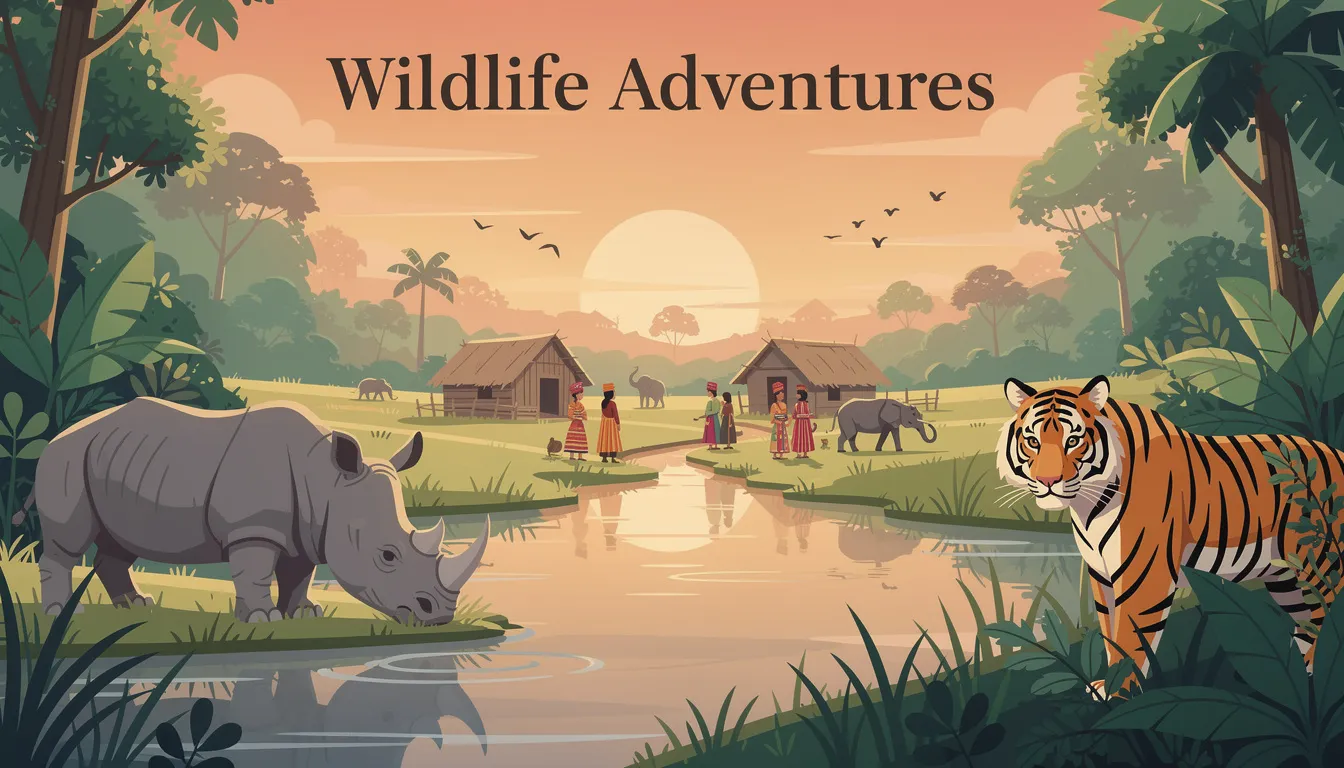
Chitwan National Park anchors every itinerary, and for good reason. It is a UNESCO World Heritage site where tall elephant grass hides mega-fauna and riverbanks bloom with birdlife. Safaris come in several flavors, from gentle canoe drifts to deep-forest jeep routes, and each reveals a different layer of the jungle. Many visitors build a two-day plan to catch both dawn and dusk activity, when animals move and the light turns golden.
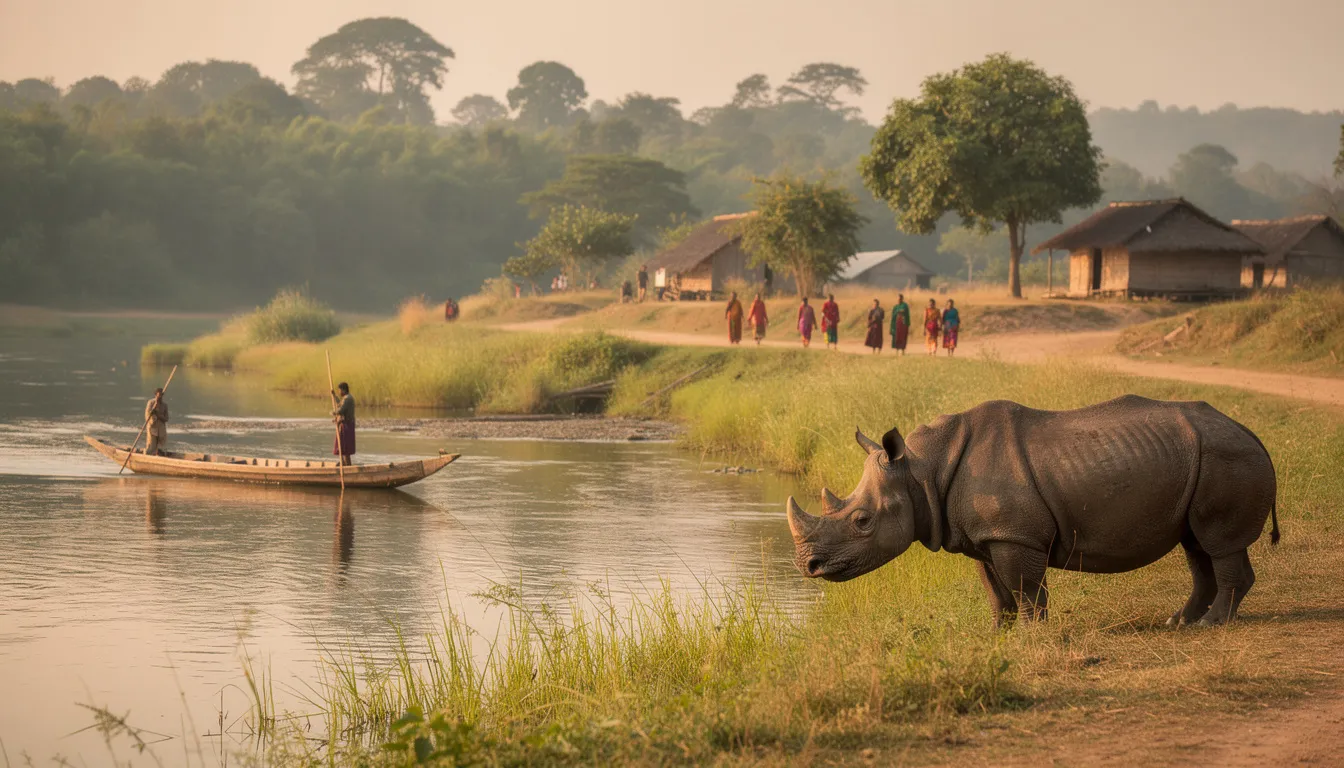
The headline sight is the one-horned rhinoceros, often spotted grazing along open grasslands or ambling through sal forest. Guides also track stealthy Bengal tigers, shaggy sloth bears, herds of chital and sambar deer, troops of langur and rhesus macaques, and river dwellers like mugger crocodiles and gharials. Birders quietly lose their minds here, with more than 500 species recorded, from great hornbills to endangered Bengal floricans.
Choose a jeep safari for range and comfort. Closed-jeep routes push deeper into the forest while open-top vehicles make photography easier on buffer-zone tracks. Walking safaris trade distance for intimacy and are led by experienced naturalists who read the ground like a book. Canoe trips along the Rapti or Budhi Rapti bring you eye level with waders and basking reptiles, a calm counterpoint to engine-powered excursions.
Practicalities help shape your day. The park entrance fee for foreign visitors is typically NPR 2,000 per day, payable at designated counters near the gates. Many lodges bundle permits, guides, and transport, which simplifies logistics and often saves time at sunrise. Pack neutral-colored clothing, a light scarf for dust, binoculars, and a dry bag for electronics during canoe moments.
Ethical choices enhance the experience. Elephant-back safaris are widely discouraged by conservation groups due to welfare concerns. You can still spend time with elephants in responsible settings that focus on observation, short walks, and feeding routines without riding, and you will come away with better photos and a clearer conscience. Ask operators how they care for animals and who benefits from your fee.
Want a quieter corner of chitwan district after a big-ticket safari? Head to community forests just outside Sauraha for sunrise birding with fewer vehicles, or book a day in Madi Valley to watch traditional fishing and scan for rhino from riverbanks that see almost no crowds. The 20,000 Lakes area, known locally as Bish Hajari Tal, is another serene wetland where storks, jacanas, and shy otters sometimes appear.
Top Wildlife Attractions
- Core Jeep Routes: Full-day circuits through sal forest and grassland for rhino, deer, and the elusive cat’s territory marks.
- Rapti River Canoe: Dawn drift past gharials, kingfishers, and sleepy muggers warming on sandbars.
- Walking Safari: Short loops with veteran guides who teach you to read alarm calls and fresh tracks.
- Bish Hajari Tal: Oxbow lakes and marshland favored by herons, storks, and wintering ducks.
- Community Forest Edges: Golden-hour birding near Sauraha or Meghauli with fewer jeeps and soft light.
Cultural Experiences
Wildlife may bring you here, but people are what you remember. The Tharu community, indigenous to the Terai, shapes the district’s identity through architecture, farming, music, and food. Stroll past mustard-yellow, mud-plastered homes with woven fences, and you will often be invited to sit for sweet tea and a story about the last flood or a close rhino encounter on the village trail.
Evenings often feature a Tharu cultural program, where dancers in bright skirts and men with peacock-feather headdresses perform stick dances that simulate hunting and harvest rituals. These shows are more than entertainment; many are run by local youth groups who fund schooling and conservation outreach. If you seek something quieter, ask about a village walk with a local elder who can interpret carvings on granaries and explain why certain plants grow near doorways.
Food carries history here. Try river fish curry cooked with tomatoes and fenugreek, crispy rice crackers, and seasonal greens. Adventurous eaters can sample ghonghi (snails) simmered with spices, a dish rooted in wetland life. Do not miss dhikri, steamed rice flour dumplings served with lentils or chicken, and wintertime gudpak, a dense milk sweet from nearby markets in Bharatpur.
For a deeper dive, seek out a homestay on the Meghauli side or in Madi, where slow mornings mean feeding backyard buffalo and joining in on a kitchen garden harvest. You will learn how traditional fishing nets are cast, why certain trees are never cut, and what it takes to fortify a house before the monsoon. Bring small, photo-friendly gifts from home for your hosts, but always ask before taking pictures, especially of children and private shrines.
Cultural Insights
- Tharu Architecture: Mud-thatch walls breathe in summer heat and stay warm in winter, a practical response to the Terai climate.
- Festivals: Dashain and Tihar light up courtyards with lamps and drums, while Maghi brings rich pork stews and community fairs.
- Devghat Pilgrimage: A revered site near Bharatpur at a sacred rivers’ confluence, visited for dawn rituals and temple bells.
- Markets: Bharatpur’s produce stands overflow with bananas, pomelos, and mustard greens; arrive early for the chatty bustle.
- Responsible Etiquette: Dress modestly in villages, remove shoes at household thresholds, and accept the first cup of tea as a sign of respect.
Travel Tips
Good planning turns a great place into a standout trip. Think about timing, logistics, and how to blend safari time with authentic cultural encounters. A classic pattern is one easy arrival day, one long wildlife day, and one slow cultural day with a sunset canoe to round it out. If you love birds or photography, add an extra dawn.
Build a mini-itinerary that flows. Day one could be arrival, lunch, a village walk, and a gentle riverbank sunset. Day two might start with a dawn jeep into the park, a siesta after lunch, and an evening cultural show. Day three can be a short canoe ride, brunch, and a stop at a community forest hide before departure. This rhythm balances early starts with time to savor.