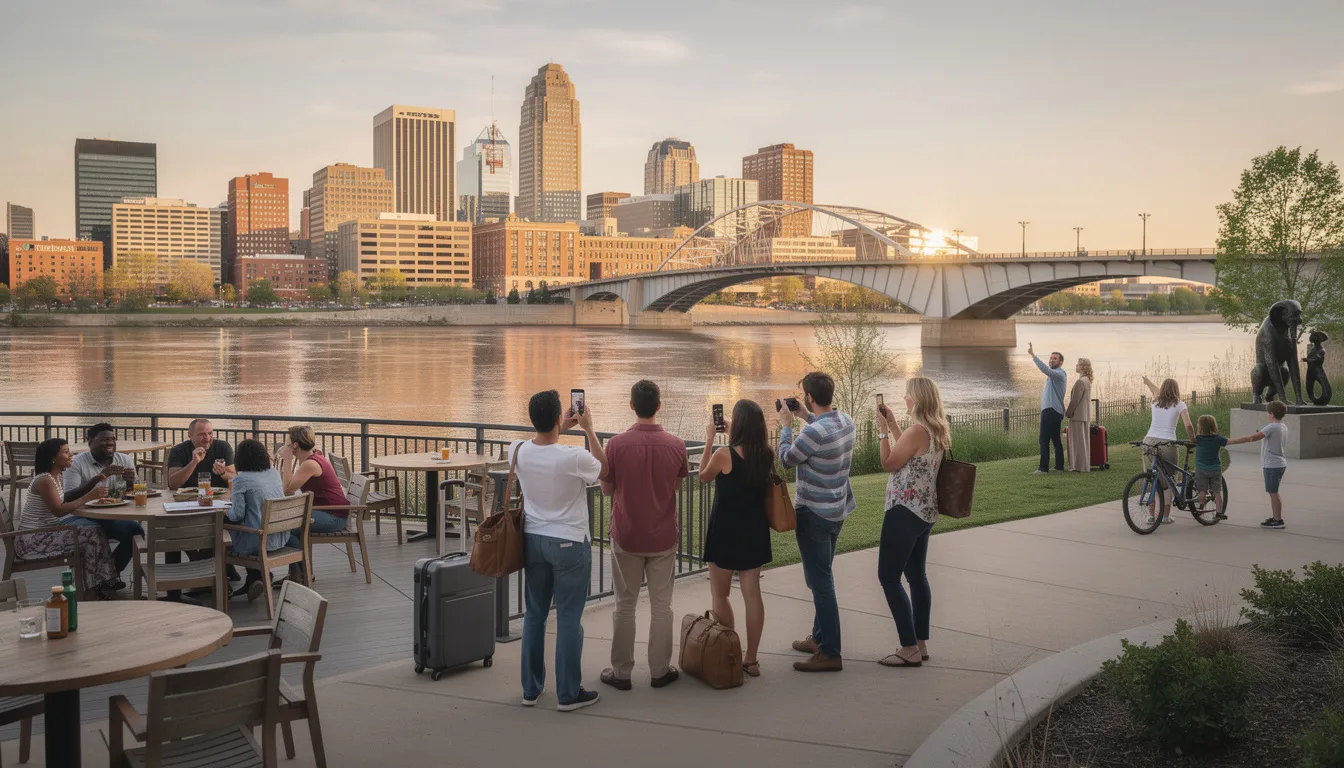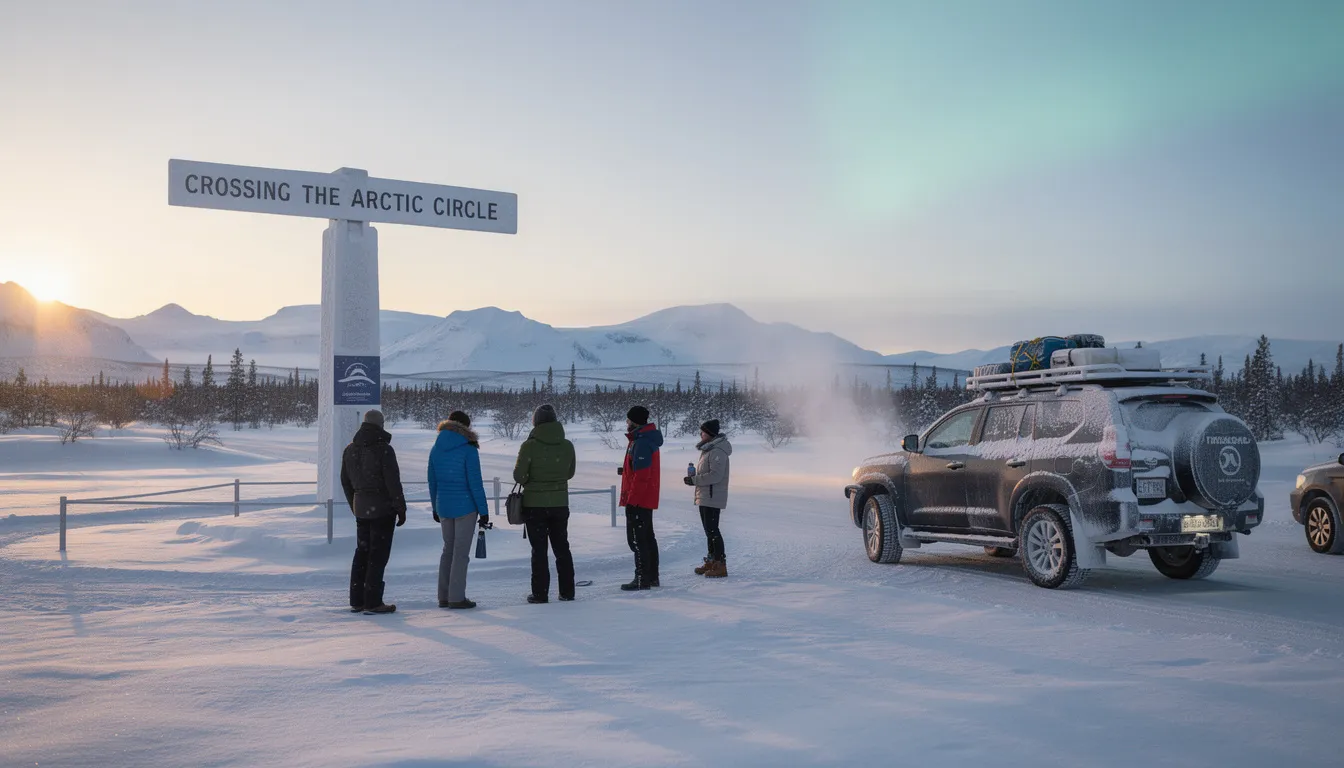
There is a special thrill in watching the GPS tick past 66.5° N and realizing you have stepped into a new world. From open skies that glow at midnight to snow-dusted roads that feel endless, crossing the arctic circle flips your inner compass. The milestone is real, the landscapes are raw, and the stories last for years. Here is how to make your journey unforgettable.
💡 Keys Takeaways
- The Arctic Circle is located at 66.5° N latitude.
- Crossing the Arctic Circle is a significant milestone for travelers.
- Many tours offer unique experiences like wildlife viewing and Northern Lights.
What is the Arctic Circle?
The Arctic Circle is an invisible line that wraps around the top of our planet at 66.5° N latitude. It marks the southern boundary of where the sun can stay above or below the horizon for a full 24 hours. This is the zone of the Midnight Sun in summer and long twilight and darkness in winter. Crossing the arctic circle means entering a region shaped by seasonal extremes.
Its position is linked to Earth’s tilt, which is about 23.4°. Because that tilt shifts slightly over time, the Arctic Circle moves a little each year. People come searching for the sky shows and the sense of space that feels otherworldly. Here, words like polar day and polar night are not just terms, they are lived experiences.
Historical Significance
For centuries, the Arctic Circle drew explorers, traders, and scientists. Indigenous peoples such as the Sámi, Inuit, and Yupik lived and traveled across this latitude long before famous expeditions. Their reindeer herding, sea-ice navigation, and seasonal knowledge shaped how others learned to move in the North.
Later, this ring on the map became a target for explorers pushing boundaries. Polar research stations appeared, whalers followed migrating routes, and Arctic convoys supplied Europe during wartime. The circle still symbolizes endurance and curiosity. Many travelers mark crossing the arctic circle with a photo at a roadside sign, a shipboard ceremony, or a stamp in a well-worn passport wallet.
Natural Wonders
Summer brings the Midnight Sun, when the sky stays bright and golden even at 2 a.m. Winter nights often ignite with the Aurora Borealis. On the coasts, sea birds swarm dramatic cliffs and humpbacks surface in cold, glassy bays. Inland, taiga and tundra roll into mountain passes where silence hums in your ears.
Expect surprising contrasts. July can mean wildflowers and icy rivers in the same view. February can be fiercely cold and crystal clear. In every season, light behaves differently, which is why photographers and stargazers keep returning to this latitude.
Why Cross the Arctic Circle?
Because it is more than a dot on your map. Crossing the arctic circle is a line in your travel story that separates the usual from the rare. You get that rush when a driver announces the latitude, or when your ship’s horn sounds and the crew hand you chocolate and a certificate. You also tap into local lifeways that thrive under unusual light and weather.
The most common reasons people go north include the Northern Lights, the Midnight Sun, and close-up encounters with wild, uncluttered landscapes. There is also a cultural pull. Sip coffee inside a turf-roof cafe in Tromsø, trade stories with a dog sled guide in Rovaniemi, or watch a drum dance in Nunavut. Every moment feels amplified by the scale of the place.
- Wildlife highlights include reindeer herds, seabird colonies, musk ox in Greenland, and, in specific regions like Svalbard, the possibility of polar bears with expert guides.
- Hands-on experiences range from snowmobiling and ice fishing to kayaking among sea ice and hiking across tundra ridges with endless views.
- Personal milestone perks often include an Arctic Circle Certificate on cruises or guided drives, and a proud line in your travel journal.
Best Routes for Crossing
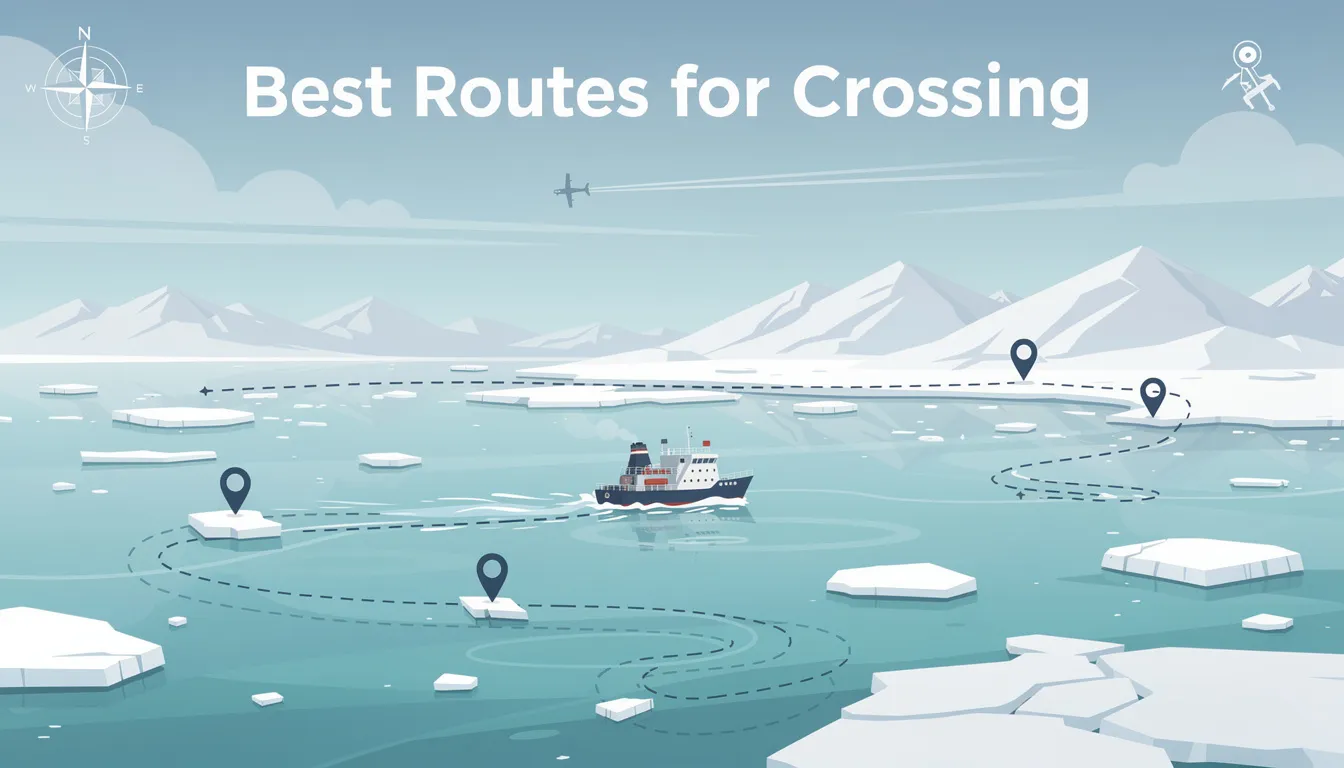
There is no single best way to do it. The right route depends on your style and season. Some travelers want a comfortable coastal ship and a cozy cabin. Others prefer a long gravel highway with a thermos and a map. Choose for your interests, then match your timing to the lights you want to see.
Planning around seasons helps. For the Northern Lights, aim for late August through April with long, dark nights. For the Midnight Sun, June and July deliver the purest glow. If you want both, consider September, when auroras begin and tundra colors peak. Below are favorite routes that make crossing the arctic circle memorable.
Recommended Tours
Norway by road, E6 over Saltfjellet. Drive or take a coach across the Saltfjellet plateau where a large Arctic Circle Centre sits on the line. Expect moody mountains, quick weather changes, and good chances of reindeer sightings. Photographers love the low summer light and rime-coated signs in winter.
Norway coastal voyage, Hurtigruten or Havila. Classic ships sail daily along the coast and cross the circle with a lighthearted ceremony. You might taste stockfish on deck while scanning for orcas near the Lofoten Wall. Timed right, you get both midnight-sun views and dramatic fjords in one smooth itinerary.
Finland, Rovaniemi. The Arctic Circle cuts right through Santa Claus Village, where a painted line and markers make crossing the arctic circle fun and very accessible. It is an easy win for families, with reindeer farms, husky runs, and glass igloos for aurora watching.
Sweden, around Jokkmokk. Head north from Luleå toward Jokkmokk, a Sámi cultural hub just above the circle. Time your trip for the winter market and you will find traditional crafts, joik singing, and cold-weather treats like smoked Arctic char.
Iceland, Grímsey Island. A small island off North Iceland is the only part of the country that sits across the line. Fly or ferry to Grímsey to step over painted arcs, birdwatch among puffin burrows in summer, and collect one of the most distinctive crossing photos anywhere.
Alaska, Dalton Highway. From Fairbanks, day tours and self-drives tackle the haul road that climbs into the Brooks Range. The official Arctic Circle sign is near MP 115, a classic selfie stop. Continue to Atigun Pass for landscapes that look like the roof of North America.
Canada, Dempster Highway. This gravel epic from Dawson City crosses the circle on the way to the Mackenzie Delta. The road unspools through tombstone-like peaks and sunlit tundra. In late August and September, expect blazing autumn colors and early auroras.
Greenland by air or fjord boat. Many flights into Kangerlussuaq and Sisimiut put you above 66.5° N. Boats also snake along the coast in summer, where glaciers calve into blue fjords. Greenland pairs raw scenery with deep Indigenous culture for a powerful crossing.
- Small-group overlands: From Fairbanks to MP 115, or from Bodø to Saltfjellet, guided drives include narration, photo stops, and safety support on remote roads.
- Coastal expeditions: Multi-day voyages link port towns, delivering wildlife watching, lighthouses, and that ceremonial latitude announcement at sea.
- Day-trip flyouts: Short flights to Grímsey or regional hops in Greenland give you a fast, photogenic way to plant a boot on the line.
Tips for Your Arctic Journey
Think of the Arctic as a land of microclimates. Coastal towns can feel milder than inland highlands on the same day. Watch local forecasts, learn sunrise and sunset times, and book flexible activities. If your heart is set on auroras, give yourself at least three nights to boost your odds.
Roads can be remote. In North America, fuel stops can be far apart. In Nordic countries, highways are excellent but weather can flip quickly. Pack warm layers even in summer. In winter, prioritize moisture management, not just insulation, so you stay dry and warm when stopping for photos of the lights.
Packing Essentials
- Layering system: breathable base, insulating mid layer, windproof shell. For deep cold, plan for -20°C to -40°C wind chill.
- Winter traction: insulated boots, microspikes for icy sidewalks, and glove liners that let you handle camera controls.
- Electronics kit: power bank, spare batteries kept warm, wide-angle lens for auroras, headlamp with a red mode.
- Safety and comfort: thermos, high-calorie snacks, paper map as backup, and a compact first-aid kit.
- Driving add-ons: window scraper, tow strap, and if allowed, 4×4 rental with winter tires for mountain passes.
Budget for surprises. Cafes and fuel can cost more in the North. Winter tours with expert guides are worth it for safety and local knowledge, especially for aurora chasing or snowmobile routes. Learn a few local words, respect reindeer and musk ox distances, and ask permission before photographing people at cultural events.
Photography tip. For the Northern Lights, start with ISO 1600 to 3200, aperture f/2.8 to f/4, and a 5 to 10 second exposure. Use manual focus set to infinity, and shield your lens from wind. For the Midnight Sun, a simple polarizing filter helps tame glare and makes cloud textures pop.
Frequently Asked Questions
What exactly counts as crossing the arctic circle? Any moment you pass latitude 66.5° N, on foot, by road, rail, ship, or plane. Many tours provide a certificate or a signpost stop.
When is the best time for the Northern Lights? From late August to April, with long nights and clear skies. March and September often bring steady activity and milder temperatures.