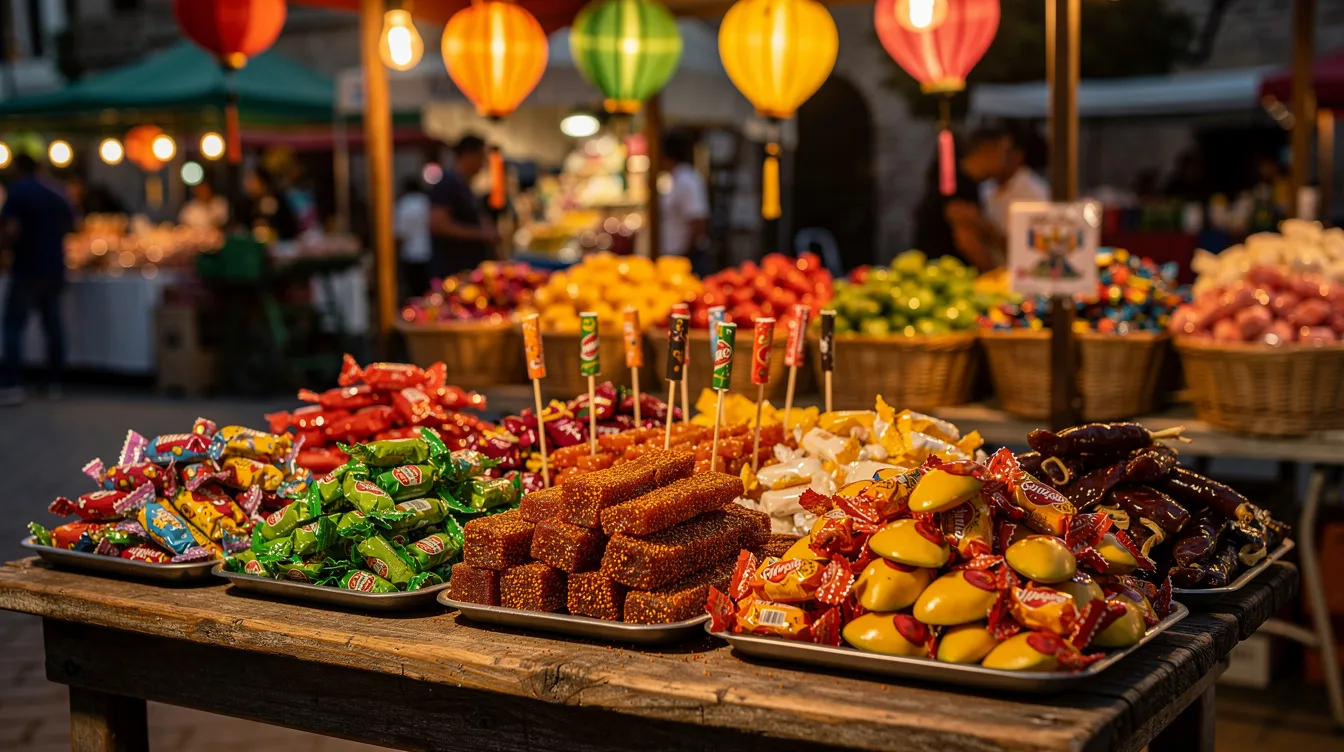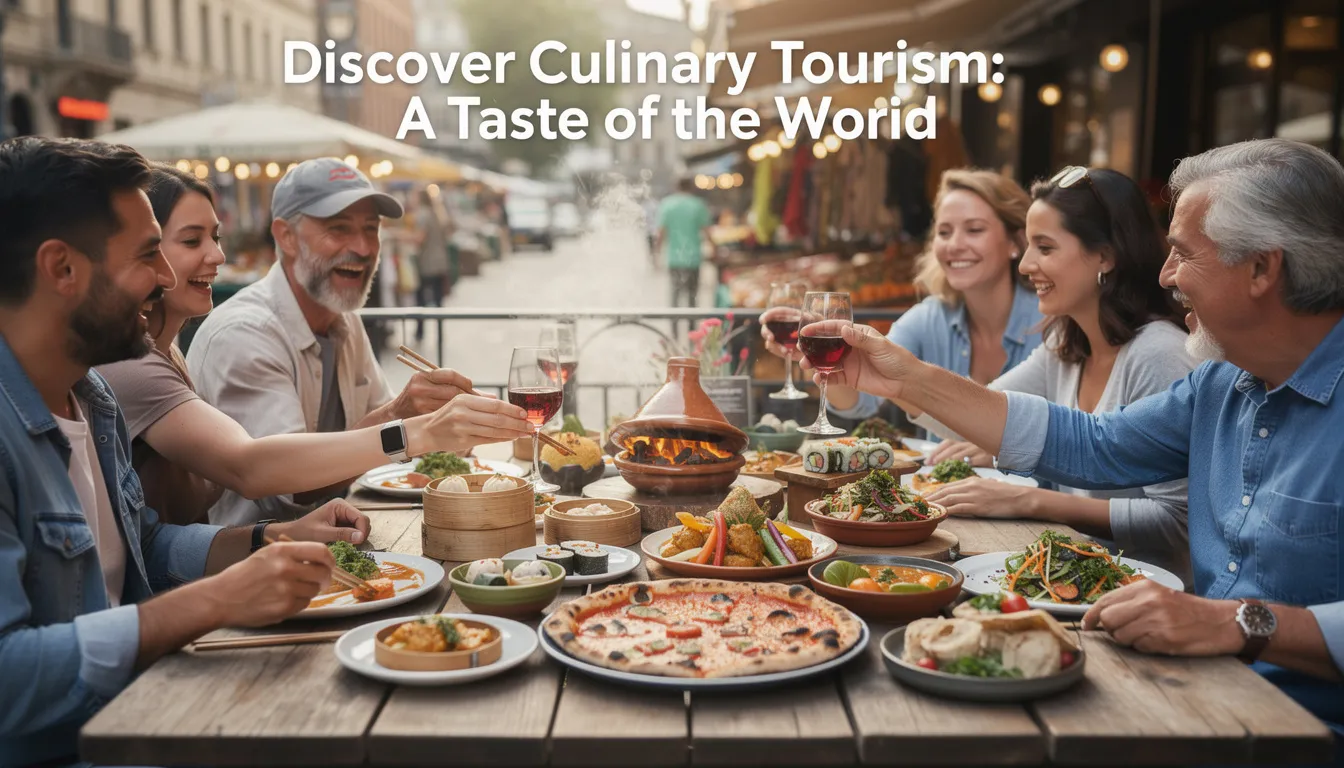
Travel tastes better when it tells a story. Culinary tourism is your passport to markets at sunrise, smoky street stalls at dusk, and family tables where recipes double as heirlooms. You do not just eat; you witness craft, memory, and place on a plate. This guide shows how to savor the world with intention, from bite-sized city strolls to full-on flavor pilgrimages.
💡 Key Takeaways
- Culinary tourism contributes billions to the global economy annually.
- 62% of travelers consider food experiences essential for their trips.
- Culinary tourism can enhance cultural exchange and understanding.
What is Culinary Tourism?
Culinary tourism is the practice of traveling to explore a destination through its food culture. It might look like sipping thick, cardamom-scented coffee with a baker at dawn, or learning why a grandmother grinds spices by hand. The focus is not only on famous restaurants. It is about markets, farms, food rituals, and the people whose hands shape each dish.
At its best, culinary tourism turns a meal into a window. You taste technique, climate, migration, and memory. When I first tried charcoal-grilled fish on the banks of the Bosphorus, the view was beautiful, but the fisherman’s story about his father teaching him to salt the skin just right is what stuck. That moment captured the essence of travel through flavor.
Defining Culinary Tourism
Think of culinary tourism as a spectrum. On one end sits a casual market stroll where you nibble what catches your eye. On the other end, a multi-day itinerary might revolve around harvests, cooking classes, and chef-led tastings. Both count. What matters is intent. You choose to engage with food as a core reason to visit, not as background noise between museums and photo ops.
This approach often includes cross-cultural learning. You might compare the same ingredient across regions to notice how technique changes the story. A tomato can be blitzed into gazpacho, slow-roasted for pasta, or pounded with chilies for a bright sambal. Each version reflects local taste, climate, and customs. Culinary tourism is that curiosity, turned into a trip.
Cultural Significance
Food is a living archive. Dishes carry history from trade routes, conquests, and migrations. When you learn why noodles in one city are hand-pulled and in another are pressed through a die, you are decoding geography and craft. Shared meals bridge language gaps, and even a small snack can spark a conversation that makes a place feel welcoming.
There is also responsibility. Culinary travelers become informal ambassadors. Respecting kitchen etiquette, photographing with permission, and asking questions with humility transforms a bite into meaningful exchange. You go home with recipes and stories, and the hosts you met feel seen for their expertise rather than treated like a backdrop.
Benefits of Culinary Tourism
Culinary tourism benefits both travelers and communities. On the traveler side, food creates anchors for memory. The aroma of lemongrass might bring you back to a Bangkok alley or remind you of that class where a patient cook showed you how to bruise herbs without crushing them. The learning is hands-on, social, and delightfully tasty.
Communities gain when visitors spend on food experiences that keep value local. Tours booked with neighborhood guides, tastings in family-run shops, and cooking classes that source from nearby farms help sustain skills and jobs. Culinary travel also supports heritage recipes, seasonal agriculture, and the small producers who supply beloved dishes.
- 62% of travelers consider food experiences essential to their trips, which means demand for markets, tastings, and classes is strong.
- Culinary tourism contributes billions to the global economy every year, stimulating jobs from farms to food guides.
- Shared meals enhance cultural exchange and understanding, reducing stereotypes through face-to-face hospitality.
- Seasonal travel for harvests spreads visits beyond peak months, easing crowding and supporting steadier income for locals.
From my own travels, the biggest benefit is confidence. After learning to order bespoke tacos in Mexico City, I felt braver trying dialect menus elsewhere. That small skill made future trips smoother and more rewarding. It is a reminder that culinary travel teaches practical savvy alongside palate adventure.
Health Benefits
Food-focused trips often involve movement. You walk between stalls, climb market steps, and stand chatting with vendors, which adds gentle activity to your day. Exposure to a wider variety of fermented foods and spices can diversify your diet. Mindful eating also happens naturally when a vendor shows you how to balance heat, acid, and sweetness in each bite. If you have dietary needs, culinary tourism lets you ask direct questions and learn safe substitutions straight from the source.
Popular Culinary Destinations
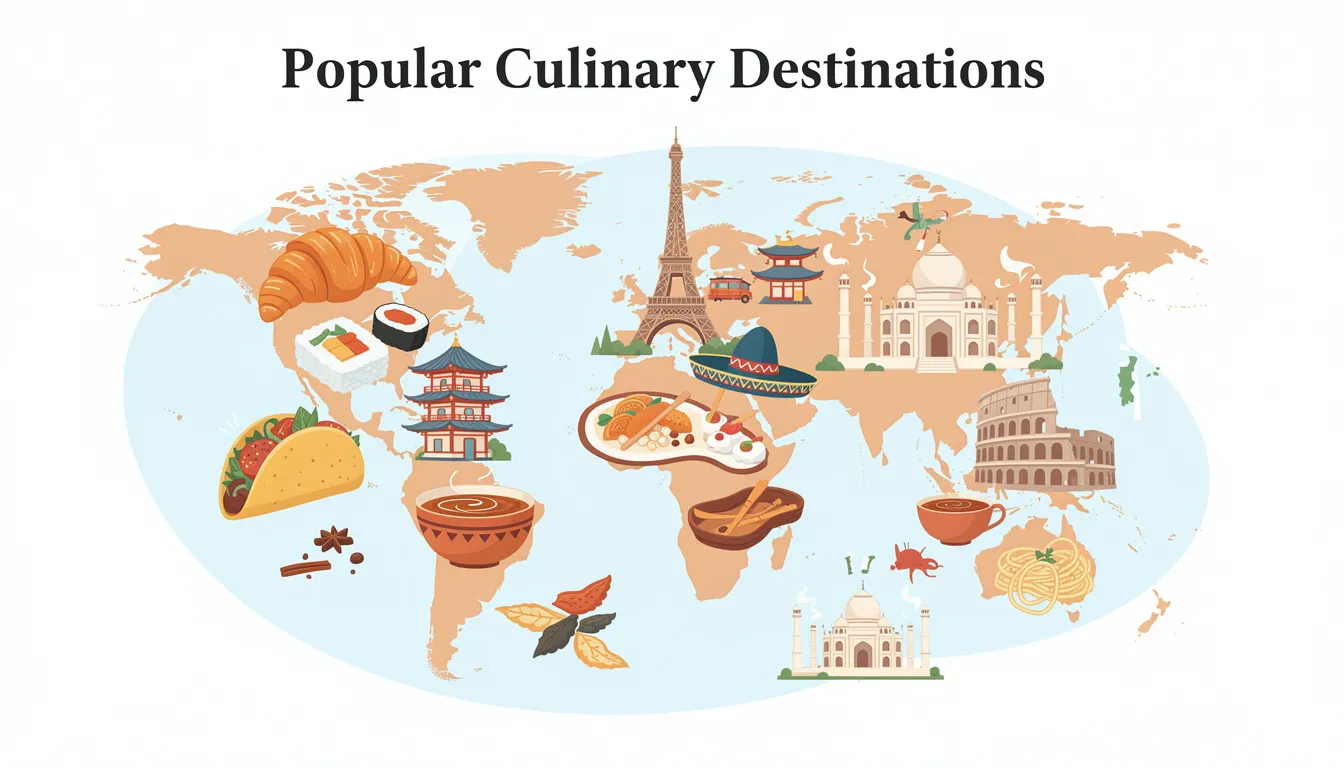
Great food can be found almost anywhere, although some places make flavor the headline. When choosing where to go, decide if you want polished dining rooms, street-side masterpieces, or hands-in-the-dough classes. A focused neighborhood can often outshine a whole city if you love a specific style of cooking.
Here are destinations that pair strong traditions with memorable experiences, from humble counters to special-occasion splurges. Each place rewards slow wandering, curiosity, and a flexible schedule so you can follow aromas rather than a rigid plan.
Top Food Cities
Tokyo, Japan: A masterclass in precision. From immaculate sushi bars to steaming bowls of tsukemen, even convenience stores are a revelation. Seek tiny counters where chefs serve a handful of guests and explain knife work as they go.
Mexico City, Mexico: Tortilla griddles beat like heartbeats at breakfast. Tacos al pastor, tamales wrapped like gifts, and markets stacked with chilies make every walk a tasting tour. A casual cooking class can teach you the difference between fresh and dried chilies in one afternoon.
Bangkok, Thailand: Street carts sparkle at night with woks flaring. You will taste balance in every bite: sour lime, salty fish sauce, heat from chilies, and sweet palm sugar. Boat noodles enjoyed by the canal tell a story of trade and waterways.
Lima, Peru: Ocean-bright ceviche, Andean potatoes in a rainbow of varieties, and Nikkei influences create a thrilling mix. Markets are full of fruit you may have never seen. Ask vendors for a ripeness lesson and try fruit at different stages.
Naples, Italy: Home of blistered, airy pizza where dough is a craft and tomatoes sing. Pair a simple margherita with a walk through bakeries for sfogliatella. Watch pizzaiolos stretching dough to learn why texture matters.
Unique Culinary Experiences
Truffle hunting in Piedmont: Walk with a trained dog and forager at dawn, then taste your find shaved over fresh tajarin. Hearing how weather and soil affect aroma pulls you into the landscape.
Home kitchen kimchi workshop in Seoul: A grandmother teaches you to salt, rinse, and season just right. The lesson ends with a family-style meal and jars to take home, along with stories of winter traditions.
Boat-to-bowl cooking in Hoi An: Join fishers for the morning catch, then head to a riverside school to turn it into crisp bánh xèo. The sizzle as batter hits the pan is unforgettable.
Pintxos crawl in San Sebastián: Hopping between bars with a local guide helps you decode the etiquette of small bites. You learn to order, stand, and savor like a regular.
Market breakfast in Marrakech: Start with warm khobz, argan oil, and honey at a stall that has served the same families for generations. A vendor may offer a quick lesson in spice blending if you show interest.
How to Plan a Culinary Trip
Good planning frees you to be spontaneous when flavors call. Start by choosing a theme tied to seasons, like oyster months on a coast or harvest time in wine country. Map neighborhoods known for food density, not just famous addresses, and schedule walks when markets are busiest.
I use a three-meal anchor rule. Each day gets one planned anchor experience, like a market tour or a sit-down dinner, and the rest stays open for serendipity. This balance avoids palate fatigue and leaves room for recommendations you pick up along the way.